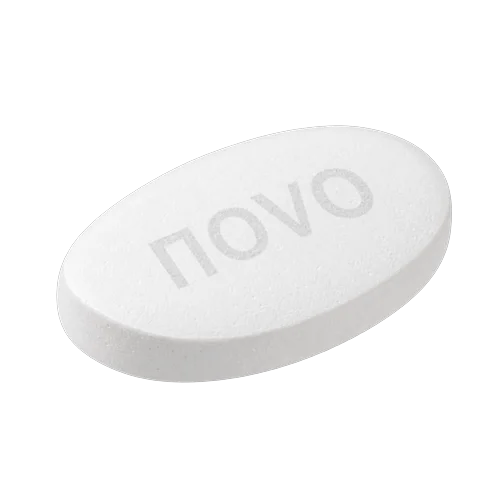
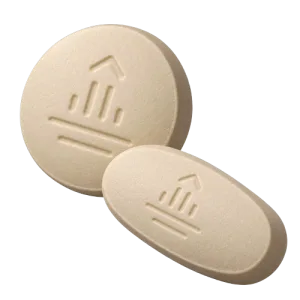
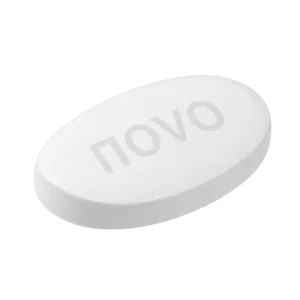
The tablet helped bring my morning readings down over the first month, and my appetite became smaller. Nausea was noticeable for several days after starting, so the routine took some getting used to.
Rybelsus
Semaglutide, the active ingredient of Rybelsus, is an oral GLP-1 receptor agonist for adults with type 2 diabetes. It helps lower blood glucose by increasing glucose-dependent insulin release, reducing glucagon secretion and slowing gastric emptying. Rybelsus provides a daily tablet option within semaglutide therapy.
Overview
Rybelsus is an oral tablet containing semaglutide, developed by Novo Nordisk for blood-glucose management in adults with type 2 diabetes. It belongs to the GLP-1 receptor agonist class, which acts on hormonal pathways involved in insulin release, appetite and digestion.
The treatment is used alongside diet and physical activity, either alone when appropriate or with other glucose-lowering medicines. It is not an insulin replacement for people with type 1 diabetes or diabetic ketoacidosis. The European Medicines Agency describes semaglutide as a treatment that improves glycaemic control through several complementary effects [1].
Composition and pharmacological classification
Rybelsus contains semaglutide. Semaglutide is a GLP-1 analogue, meaning that its molecular activity resembles the naturally occurring hormone glucagon-like peptide-1.
GLP-1 receptor agonists act mainly when blood glucose is elevated. This glucose-dependent action helps explain why semaglutide alone has a lower risk of clinically significant hypoglycaemia than medicines that stimulate insulin release regardless of glucose concentration. The risk rises when it is combined with insulin or a sulfonylurea.
Therapeutic indications
Rybelsus is an oral tablet licensed for type 2 diabetes. The treatment is used alongside diet and physical activity, either alone when appropriate or with other glucose-lowering medicines.
Mechanism of action
Semaglutide binds to GLP-1 receptors in pancreatic beta cells and other tissues involved in glucose regulation. When glucose levels rise, it helps the pancreas release more insulin. At the same time, it reduces glucagon, a hormone that signals the liver to release stored glucose.
The medicine also slows gastric emptying, especially after treatment begins or the dose changes. Food reaches the small intestine more gradually, which can moderate the rise in blood glucose after meals. This effect also contributes to early fullness and reduced appetite in some people.
The main pharmacological effects are:
- increased insulin secretion when glucose is elevated;
- reduced glucagon secretion during hyperglycaemia;
- slower gastric emptying;
- lower post-meal glucose excursions;
- reduced appetite in some patients;
- improvement in long-term glucose markers such as HbA1c.
The glucose-dependent component matters clinically. A person taking semaglutide alone does not usually experience the same hypoglycaemia pattern associated with insulin or sulfonylureas, although low blood glucose remains possible when these medicines are combined.
The FDA prescribing information reports clinically meaningful reductions in HbA1c compared with placebo and several active comparators, with nausea and other digestive symptoms forming the main tolerability limitation [2].
Reasons not to use it
- previous pancreatitis;
- severe gastrointestinal disease or suspected gastroparesis;
- diabetic retinopathy, especially when glucose control is improving rapidly;
- gallbladder disease or recurrent gallstones;
- significant kidney impairment with a risk of dehydration;
- concurrent insulin or sulfonylurea therapy;
- pregnancy, planned pregnancy or breastfeeding;
- a personal or family history of medullary thyroid carcinoma or multiple endocrine neoplasia type 2, where relevant to the prescribing assessment.
Semaglutide should not be used during pregnancy for routine type 2 diabetes treatment. The product information advises stopping it before a planned pregnancy because of its prolonged presence in the body. Diabetes treatment during pregnancy requires a separate plan.
Rybelsus can affect the absorption of oral medicines because it delays gastric emptying. This is relevant to medicines with a narrow therapeutic index or medicines that require precise timing. Oral semaglutide should not be taken at the same time as other tablets.
When this is not for you
This treatment is not for you if you have had a serious allergic reaction to semaglutide or another component of the tablet. It is also not an alternative to insulin in type 1 diabetes or diabetic ketoacidosis.
Unwanted effects
Digestive adverse effects are the most frequent problem with Rybelsus. Nausea, diarrhoea, vomiting, constipation, abdominal discomfort and reduced appetite can occur, especially when treatment starts or the dose increases. The EMA product information describes these reactions as dose-related in many patients [3].
Common tolerability issues include:
- nausea after taking the tablet or after meals;
- loose stools or diarrhoea;
- constipation;
- vomiting;
- abdominal pain or bloating;
- reduced appetite;
- indigestion or reflux symptoms.
Small meals, slower eating and avoiding very fatty portions may make nausea easier to manage. Drinking enough fluid matters if vomiting or diarrhoea occurs, since dehydration can worsen dizziness and kidney stress.
Serious reactions require prompt medical attention. Severe, persistent abdominal pain that may spread to the back can indicate pancreatitis. Repeated vomiting, inability to keep fluids down, marked weakness or reduced urine output may indicate significant dehydration. Sudden visual changes require urgent assessment, especially in people with diabetic retinopathy.
Hypoglycaemia is more likely when Rybelsus is used with insulin or a sulfonylurea. Symptoms include sweating, shaking, palpitations, hunger, confusion and unusual weakness. Treatment plans may require adjustment when semaglutide is added to one of these medicines.
Formulation
Rybelsus contains semaglutide. Semaglutide is a GLP-1 analogue, meaning that its molecular activity resembles the naturally occurring hormone glucagon-like peptide-1.
Rybelsus is taken as a tablet rather than an injection. Its absorption is unusually sensitive to water volume, food and the interval before eating.
Directions for use
Take the tablet after waking, with a small amount of plain water, and wait at least 30 minutes before eating, drinking anything other than water or taking other oral medicines.
The tablet should be swallowed whole with a small amount of plain water. It should not be placed in food or dissolved for later use.
A missed dose should not usually be replaced by taking two tablets together. The correct response depends on how long has passed and the prescribed schedule.
Do not take two tablets together to compensate for a missed dose. The usual product guidance is to skip the missed tablet and take the next scheduled dose on the following day, rather than taking an extra tablet later. If vomiting, illness or repeated missed doses have disrupted treatment, the prescribing clinician or pharmacist can confirm the next step using the 2024 FDA prescribing information. Taking an unscheduled replacement can worsen nausea and does not reliably restore glucose control.
Comparison
Rybelsus, Ozempic and Wegovy contain semaglutide, but they are not interchangeable products. Rybelsus is an oral tablet licensed for type 2 diabetes. Ozempic is an injectable semaglutide treatment for type 2 diabetes, while Wegovy is licensed for weight management in people who meet the relevant clinical criteria.
Switching between oral and injectable semaglutide requires a planned regimen. The products have different absorption characteristics, dose-escalation schedules and approved uses. Taking both forms together would expose a person to duplicate semaglutide therapy and is not a routine treatment strategy.
Different medicines act on different metabolic targets. The choice depends on HbA1c, kidney function, cardiovascular disease, heart failure, weight goals, hypoglycaemia risk, tolerability and the person’s ability to use tablets or injections.
| Treatment category | Active ingredient or mechanism | Route and main role |
|---|---|---|
| Rybelsus | Semaglutide; GLP-1 receptor agonist | Oral tablet for type 2 diabetes |
| Injectable incretin therapy | Semaglutide, dulaglutide or tirzepatide | Injection for diabetes; some products also have weight-management indications |
| Other metabolic treatments | Liraglutide, naltrexone/bupropion or orlistat | Injection or oral treatment, depending on the product and indication |
Mounjaro contains tirzepatide, which activates GIP and GLP-1 receptors. Trulicity contains dulaglutide, another injectable GLP-1 receptor agonist. Saxenda contains liraglutide and is used within weight-management care. Mysimba combines naltrexone and bupropion, while alli contains orlistat, which reduces intestinal fat absorption.
Foundayo is associated with orforglipron, an oral non-peptide GLP-1 receptor agonist under clinical development rather than a routine substitute for established Rybelsus treatment. The presence of a similar metabolic target does not make products therapeutically interchangeable.
Common mistakes
Several avoidable errors can reduce absorption or increase side effects:
- taking the tablet with coffee, juice or a large glass of water;
- eating breakfast immediately after the dose;
- taking other oral medicines at the same time;
- crushing, splitting or chewing the tablet;
- doubling the next dose after a missed tablet;
- escalating the dose without an agreed plan;
- treating persistent vomiting as a minor inconvenience;
- assuming that injectable semaglutide and oral semaglutide can be combined;
- stopping insulin independently after starting Rybelsus;
- using the treatment as though it were licensed solely for weight reduction.
What doctors say
In clinical practice, doctors generally judge Rybelsus by three separate outcomes: HbA1c response, tolerability and whether the administration routine is realistic for the patient.
A person can respond well pharmacologically yet receive less benefit if the tablet is taken with breakfast, too much water or another medicine. Oral semaglutide has a narrow administration window compared with many conventional diabetes tablets. The routine must be practical enough to repeat every morning.
Physicians also assess the wider diabetes picture. A lower HbA1c does not remove the need to monitor blood pressure, kidney function, cholesterol, foot health and retinal health. Weight reduction may be helpful, but it is not the only treatment goal.
Doctors often increase treatment gradually because rapid escalation can worsen nausea and vomiting. A slower clinical plan may improve persistence, while a person with severe symptoms may need reassessment rather than simply continuing.
What customers often ask
How long does one Rybelsus tablet keep working?
Semaglutide has a prolonged duration of action, so one daily tablet is designed to support glucose control across the day rather than provide only a short post-meal effect. The pharmacokinetic profile of oral semaglutide was evaluated in the Novo Nordisk clinical development programme and reflected in the EMA product information published in 2024 [3]. Blood glucose can still fluctuate with meals, illness, missed doses and other medicines. The tablet must be taken every day according to the prescribed schedule.
How long does a Rybelsus course last, and is long-term use acceptable?
Rybelsus is generally used as an ongoing treatment rather than a fixed short course when it is controlling type 2 diabetes and remains tolerated. The appropriate dose, treatment duration and review schedule are agreed with a doctor or pharmacist according to the purpose of use. NICE guidance on type 2 diabetes supports regular review of glucose control, adverse effects, kidney function and treatment goals, including guidance updated before 2026 [4]. Stopping can allow blood glucose and appetite to rise again, so discontinuation should follow a planned diabetes-treatment adjustment.
How does Rybelsus differ from injectable semaglutide?
Rybelsus and injectable semaglutide contain the same active substance but use different delivery systems and have different licensed indications. Oral treatment requires strict fasting and water instructions, while injectable products do not rely on gastrointestinal absorption in the same way. Wegovy is licensed for weight management, whereas Rybelsus is licensed for type 2 diabetes. The EMA evaluates each formulation according to its own dose schedule, clinical evidence and approved use in its 2024 product information.
Can Rybelsus be combined with insulin or sulfonylureas?
Rybelsus can be prescribed with insulin or a sulfonylurea in some diabetes-treatment plans, but the combination can increase hypoglycaemia risk. The prescriber may reduce the dose of the insulin secretagogue when semaglutide is introduced. Symptoms such as sweating, shaking, confusion or sudden weakness need prompt recognition. The MHRA safety information for GLP-1 receptor agonists supports careful monitoring when these medicines are combined, as described in its 2024 guidance.
Is Rybelsus suitable for people under 18?
Rybelsus is intended for adults with type 2 diabetes, and routine use in children and adolescents is not established in the same way. A paediatric diabetes team should manage treatment for anyone under 18 rather than adapting an adult tablet schedule. The EMA product information specifies the population for which the treatment was evaluated and authorised in 2024. Age, diabetes type, growth and insulin requirements all influence treatment selection.
What should I do after a missed Rybelsus dose?
Do not take two tablets together to compensate for a missed dose. The usual product guidance is to skip the missed tablet and take the next scheduled dose on the following day, rather than taking an extra tablet later. If vomiting, illness or repeated missed doses have disrupted treatment, the prescribing clinician or pharmacist can confirm the next step using the 2024 FDA prescribing information. Taking an unscheduled replacement can worsen nausea and does not reliably restore glucose control.
Do you offer anonymous delivery?
Your order will be securely packed and shipped within 24 hours. This is exactly what your package will look like (images of an actual item sent). It has the size and look of a regular private letter (24x11x0.7 cm) and its contents cannot be seen.
Comparison
Empagliflozin
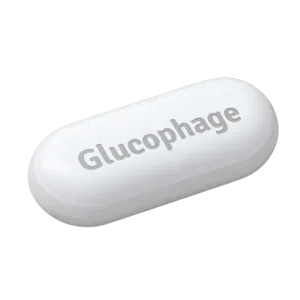
Glucophage
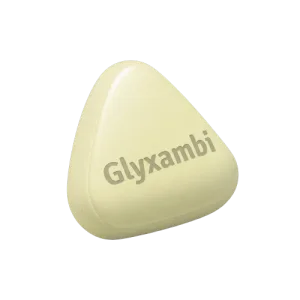
Glyxambi
Rybelsus Current
How Buyers Rate Rybelsus
After a few weeks, my readings were more consistent and I was eating smaller portions without thinking about food all evening. The morning tablet fitted better into my routine than I expected.
Rybelsus gave me a clear improvement in my glucose readings during the first few months. I also lost some weight, and the main benefit was feeling less sluggish after meals.
The treatment helped me keep my readings closer to the target agreed for me. Taking it before breakfast became automatic, and I was pleased that the tablet did not require an injection.
Sources
- European Medicines Agency (2024). Rybelsus: European public assessment report and product information for semaglutide
- U.S. Food and Drug Administration (2024). Rybelsus (semaglutide) tablets: Prescribing Information
- European Medicines Agency (2024). Rybelsus — Summary of Product Characteristics (SmPC), semaglutide
- National Institute for Health and Care Excellence (2022). Type 2 diabetes in adults: management — NICE guideline NG28