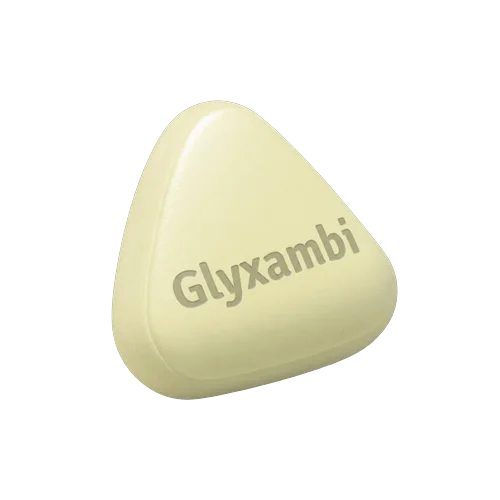
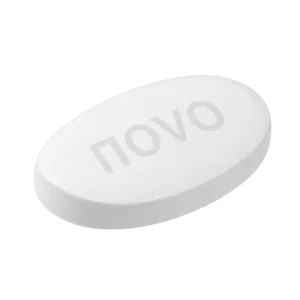
Martin, 58 - London, took Glyxambi once daily for several months. His glucose readings became steadier, and he felt less tired during afternoon work shifts. He was satisfied with the routine because the tablet fitted easily around breakfast.
Glyxambi
Glyxambi tablets are taken by mouth once daily, with or without food, to improve blood-glucose control in adults with type 2 diabetes. The prescription combination supports glucose removal through the kidneys and strengthens glucose-dependent insulin responses.
Overview
Glyxambi is a fixed-dose prescription combination used alongside diet and physical activity for adults with type 2 diabetes. It combines empagliflozin, an SGLT2 inhibitor, with linagliptin, a DPP-4 inhibitor. Together, these medicines address blood glucose through two separate physiological pathways.
Target patient population
Glyxambi is intended for adults with type 2 diabetes. It is not used to treat type 1 diabetes or diabetic ketoacidosis. The prescriber also considers whether reduced kidney function, recurrent urinary infections, dehydration, pancreatitis risk, or previous reactions to either active ingredient makes another treatment more suitable.
Therapeutic indications
Glyxambi is a fixed-dose prescription combination used alongside diet and physical activity for adults with type 2 diabetes. The medicine is intended for people whose blood glucose remains above target despite lifestyle measures or treatment with other diabetes medicines. The treatment does not replace meal planning, movement, or regular diabetes monitoring. Its role is to support glycaemic control as part of a wider diabetes-care plan.
Mechanism of action
Empagliflozin and linagliptin act at different points in glucose regulation. Empagliflozin reduces the kidney’s reabsorption of filtered glucose, while linagliptin preserves incretin hormones that help the pancreas release insulin when glucose is elevated.
Role of empagliflozin in renal glucose excretion
Sodium-glucose co-transporter 2, or SGLT2, normally helps return filtered glucose from the kidney tubules to the bloodstream. Empagliflozin blocks part of this process, so more glucose leaves the body in urine.
This action may also produce a modest loss of fluid and sodium. Some patients experience lower body weight or blood pressure, though these effects are not the primary reason for prescribing Glyxambi. The same mechanism can increase urination and may contribute to dehydration, dizziness, or genital fungal infections.
Role of linagliptin in incretin enhancement
Linagliptin inhibits DPP-4, an enzyme that breaks down incretin hormones. Higher incretin activity encourages insulin release and suppresses glucagon when blood glucose is elevated.
This glucose-dependent action gives linagliptin a relatively low intrinsic risk of hypoglycaemia when used alone. The risk rises when it is combined with insulin or insulin-releasing medicines such as glimepiride, glipizide, or glyburide.
Reasons not to use it
Glyxambi is not suitable for everyone. This medication is not for you if you have had a serious hypersensitivity reaction to empagliflozin, linagliptin, or an excipient in the tablet.
Clinical review is also needed in the following situations:
- Severe kidney impairment or end-stage renal disease.
- Dialysis treatment.
- Current or previous diabetic ketoacidosis.
- Type 1 diabetes.
- Recurrent severe urinary or genital infections.
- Frequent dehydration, low blood pressure, or fluid restriction.
- A history of pancreatitis.
- Severe gastrointestinal illness causing poor fluid intake.
- Pregnancy or breastfeeding.
- Planned surgery or prolonged fasting.
- Treatment with insulin or a sulphonylurea.
When this is not for you
Glyxambi may not be suitable if you have severe kidney problems, dialysis treatment, type 1 diabetes, ketoacidosis, repeated severe urinary or genital infections, frequent dehydration, pancreatitis, or a serious allergy to either active ingredient. Speak to a clinician before using it if you are pregnant or breastfeeding, planning surgery, fasting for a prolonged period, or taking insulin or a sulphonylurea.
Unwanted effects
Glyxambi can improve glycaemic control, yet it is not free from limitations. The most relevant adverse effects relate to urinary glucose excretion, fluid balance, hypersensitivity, pancreatitis symptoms, and low blood glucose when other diabetes medicines are involved.
Commonly reported adverse reactions
Reported reactions include:
- Urinary tract infection.
- Genital fungal infection.
- Increased urination.
- Thirst or symptoms related to volume depletion.
- Nasopharyngitis.
- Cough or upper-respiratory symptoms.
- Gastrointestinal discomfort.
- Headache.
- Joint pain.
- Hypoglycaemia when used with insulin or a sulphonylurea.
Not every symptom requires treatment interruption. Burning urination, pelvic discomfort, fever, genital itching, or unusual discharge should be reported because urinary and genital infections may need targeted treatment.
A dry mouth after starting treatment may reflect fluid loss rather than a simple nuisance symptom. Persistent dizziness when standing, fainting, confusion, or a rapid heartbeat deserves prompt clinical review.
Serious medical risks and monitoring
Seek urgent medical help for severe or persistent abdominal pain, especially if it spreads to the back and occurs with vomiting. This pattern can be associated with pancreatitis. Severe allergic reactions may cause facial or throat swelling, breathing difficulty, widespread rash, or collapse.
Rare diabetic ketoacidosis can occur even when blood glucose is not extremely high. Warning symptoms include nausea, vomiting, abdominal pain, unusual tiredness, deep or rapid breathing, confusion, and a sweet or acetone-like breath odour. The FDA prescribing information identifies ketoacidosis, volume depletion, serious hypersensitivity, and pancreatitis among important safety concerns [2].
Formulation
It combines empagliflozin, an SGLT2 inhibitor, with linagliptin, a DPP-4 inhibitor.
Directions for use
Glyxambi is taken as an oral tablet once daily, with or without food. The amount per intake is selected individually rather than being one fixed number for every person. The prescriber chooses the available strength after reviewing kidney function, current diabetes treatment, blood-glucose results, and tolerability.
- Swallow the tablet with water.
- Take it at the same time each day.
- It may be taken with a meal or on an empty stomach.
- Swallow the tablet whole unless a prescriber or pharmacist has given different instructions.
- Do not take an extra tablet to compensate for a missed dose.
- If the next dose is due soon, skip the missed dose and return to the usual schedule.
- If vomiting, diarrhoea, prolonged fasting, or an acute illness prevents normal fluid intake, contact the treating clinical team about temporary management.
Kidney function is central to treatment decisions because empagliflozin acts through the kidneys. Glyxambi is not a self-adjusted medicine. Changes in strength, stopping, or restarting belong within an individual treatment plan.
Comparison
Mechanistic comparison with other glucose-lowering approaches
| Approach | Main glucose-lowering action | Main practical limitation |
|---|---|---|
| Glyxambi | Urinary glucose excretion plus incretin-based insulin response | Genital infections, dehydration, and interaction-related hypoglycaemia |
| Metformin-based therapy | Reduces hepatic glucose production and improves insulin sensitivity | Gastrointestinal intolerance and restrictions in severe kidney impairment |
| Insulin therapy | Directly replaces or supplements insulin | Hypoglycaemia, weight gain, and injection-related routines |
These categories are not interchangeable. A prescriber may use different combinations depending on cardiovascular disease, kidney function, weight, hypoglycaemia risk, and previous treatment response. The European Medicines Agency describes empagliflozin and linagliptin within their respective authorised pharmacological classes [1].
Common mistakes
Several mistakes can undermine treatment or delay recognition of a serious reaction:
- Taking an additional tablet after a missed dose.
- Continuing normal dosing during repeated vomiting or severe diarrhoea without seeking advice.
- Ignoring genital itching, painful urination, fever, or unusual discharge.
- Assuming normal-looking blood glucose excludes ketoacidosis.
- Starting a strict low-carbohydrate or fasting regimen without discussing it with the diabetes team.
- Forgetting to mention Glyxambi before surgery or a prolonged medical procedure.
- Combining Glyxambi with another DPP-4 inhibitor without a clear prescribing reason.
- Treating dizziness as an unavoidable effect instead of checking hydration and blood pressure.
- Reducing insulin independently after a low-glucose episode.
What doctors say
In clinical practice, doctors usually assess more than a single glucose reading before deciding whether Glyxambi is suitable. They review kidney function, hydration, concurrent medicines, recurrent infections, cardiovascular history, and the person’s ability to maintain regular meals and fluids.
A common prescribing error is focusing on the blood-glucose result while overlooking the treatment’s fluid effects. A patient with vomiting, diarrhoea, prolonged fasting, or a major reduction in food intake may need a temporary plan for the SGLT2 component.
Another practical point concerns hypoglycaemia. Glyxambi alone has a lower intrinsic risk than insulin or a sulphonylurea, yet the risk changes when those medicines are used together. Symptoms such as sweating, tremor, palpitations, sudden hunger, confusion, or unusual behaviour require immediate attention.
Doctors also distinguish type 2 diabetes from situations where Glyxambi is unsuitable, including suspected type 1 diabetes and ketoacidosis. Treatment success is measured through agreed glucose targets, glycated haemoglobin, kidney monitoring, tolerability, and the patient’s day-to-day wellbeing.
What customers often ask
Which symptoms mean stopping Glyxambi and seeking urgent medical help?
Severe abdominal pain with vomiting, deep or rapid breathing, confusion, extreme weakness, or a sweet-smelling breath can indicate ketoacidosis and requires emergency assessment. Facial swelling, throat tightness, breathing difficulty, or collapse may indicate a serious allergic reaction. The MHRA safety framework in 2025 continued to emphasise prompt recognition of serious medicine-related reactions. Do not take another dose while awaiting urgent clinical instructions when these symptoms are present. The emergency team may need to assess ketones, hydration, kidney function, and acid-base status.
Can Glyxambi be taken with food or on an empty stomach?
Glyxambi can be taken with or without food, provided it is taken once daily as prescribed. Taking it at a consistent time can make missed doses less likely. Food does not remove the need to maintain appropriate fluid intake, since empagliflozin changes urinary glucose handling. The EMA product information available in 2025 describes administration without a required meal restriction.
Can Glyxambi be combined with insulin or sulphonylureas?
Glyxambi may be prescribed with other diabetes treatments, but insulin and sulphonylureas such as glimepiride can increase hypoglycaemia risk when combined with it. A clinician may adjust the insulin or sulphonylurea dose and define the glucose level that requires action. Supplements do not automatically make the combination safe, especially products that affect glucose or fluid balance. The American Diabetes Association guidance used in 2025 supports individualising combination therapy according to hypoglycaemia risk.
Can Glyxambi affect driving, concentration, or work with machinery?
Glyxambi itself does not usually impair alertness, but hypoglycaemia can affect concentration, reaction time, vision, and judgement. The risk is higher when Glyxambi is combined with insulin or a sulphonylurea. Check glucose as directed before activities where sudden impairment could cause harm, and do not drive during symptoms of low blood glucose. UK driving guidance reviewed by the DVLA in 2025 remains relevant for people using treatments that can cause hypoglycaemia.
What should be checked before starting Glyxambi?
A clinician should review kidney function, hydration, current diabetes medicines, previous pancreatitis, recurrent urinary or genital infections, pregnancy status, and any history of allergic reaction to empagliflozin or linagliptin. Type 1 diabetes and diabetic ketoacidosis require different management. Planned surgery, prolonged fasting, or a very restrictive diet should be discussed before treatment begins. NICE type 2 diabetes guidance in 2025 supports reviewing comorbidities and kidney function when selecting glucose-lowering therapy.
Which diet, exercise, or habits support the result?
Regular meals, suitable fluid intake, physical activity, and monitoring agreed with the diabetes team help maintain stable control. Severe fasting, crash dieting, heavy alcohol intake, and exercising through dehydration can increase risk. A balanced eating pattern is more suitable than abruptly removing major food groups without clinical advice. WHO diabetes guidance available in 2025 continues to support combining medicine with sustainable nutrition, movement, sleep, and weight-management habits.
Do you offer anonymous delivery?
Your order will be securely packed and shipped within 24 hours. This is exactly what your package will look like (images of an actual item sent). It has the size and look of a regular private letter (24x11x0.7 cm) and its contents cannot be seen.
Comparison
Empagliflozin
Glucophage
Glyxambi Current
Rybelsus
How Buyers Rate Glyxambi
Ben, 39 - Wolverhampton, used Glyxambi alongside his existing diabetes plan. After a few weeks, his morning readings improved and he found the once-daily schedule simple to maintain. He liked not having to plan the tablet around meals.
Adam K., 58 - Norwich, noticed a clear improvement in his home readings over the first month. He continued walking after dinner and felt the combination of the tablet and regular activity helped him stay more consistent. He described the treatment as convenient.
Simon, 59 - Belfast, saw a benefit but experienced more thirst and urination during the first weeks. The symptoms settled after he discussed fluid intake with his clinical team, though he remained cautious during hot weather and long journeys.
Luke M., 62 - Sheffield, had only a partial improvement and felt light-headed on several occasions when eating very little. He stopped making changes on his own and arranged a medication review, where his wider diabetes regimen and hydration were assessed.
Sources
- European Medicines Agency (2018). Glyxambi: EPAR — Product Information (Summary of Product Characteristics).
- U.S. Food and Drug Administration (2023). Glyxambi (empagliflozin and linagliptin) Prescribing Information.