Skip to content
24/7 Support
Save up to 80%
Fast & Discreet Delivery
Empagliflozin

Empagliflozin

Quality products
24/7 Support
Fast delivery
Delivery from 4 days
Active ingredient Empagliflozin

Free delivery on orders from £ 172.00, free express delivery from £ 258.00

Empagliflozin tablets may help eligible adults manage glucose while supporting cardiovascular and renal outcomes. The medicine helps the kidneys remove excess glucose through urine.

Overview

Patients aged 18 or over with type 2 diabetes, heart failure, or chronic kidney disease may be prescribed Empagliflozin tablets. Empagliflozin belongs to the SGLT2 inhibitor class.

Therapeutic indications

Empagliflozin is used in adults with type 2 diabetes and may also be prescribed for heart failure or chronic kidney disease, including in some patients without diabetes, when the licensed indication and clinical assessment support treatment. The European Medicines Agency describes its role across these cardiometabolic conditions [1].

Mechanism of action

Empagliflozin inhibits the sodium-glucose cotransporter 2 (SGLT2) pathway in the kidneys. This reduces glucose reabsorption and increases the removal of glucose through urine, with associated sodium and fluid loss.

Reasons not to use it

Empagliflozin is not suitable for everyone. Treatment should be avoided or reviewed closely in the following situations:

  • known hypersensitivity to empagliflozin or an excipient;
  • type 1 diabetes, where the medicine is not a routine substitute for insulin and may increase ketoacidosis risk;
  • current diabetic ketoacidosis;
  • severe dehydration or unstable low blood pressure;
  • acute serious illness with vomiting, fasting, or poor fluid intake;
  • pregnancy or breastfeeding unless a specialist has made a specific decision;
  • severe or rapidly worsening kidney impairment;
  • recurrent severe genital infections or previous serious reaction to an SGLT2 inhibitor.

Renal function affects both the glucose-lowering response and treatment eligibility. A low eGFR does not carry the same meaning for every indication, so the threshold for use depends on whether the aim is diabetes management, heart failure treatment, or kidney protection.

Important interactions include:

  • Diuretics: combined fluid loss may increase dizziness, hypotension, dehydration, or kidney stress.
  • Insulin and sulfonylureas: Empagliflozin itself has a low hypoglycaemia risk, but the risk rises when combined with insulin-releasing treatment.
  • Antihypertensives: blood pressure may fall more than expected when several medicines reduce circulating volume.
  • Lithium: changes in kidney handling and fluid balance can alter lithium exposure, requiring clinical monitoring.
  • Medicines affecting kidney function: acute illness or nephrotoxic treatment may increase the risk of renal complications.

A planned operation, prolonged fasting period, or severe infection should be reported to the prescribing team because temporary interruption may be required. Restarting too soon while eating and drinking poorly can increase ketoacidosis risk.

When this is not for you

This medicine may not be right for you if you have type 1 diabetes, current ketoacidosis, severe dehydration, unstable blood pressure, or serious kidney problems. Extra caution is needed if you are pregnant or breastfeeding, frequently develop genital infections, or have previously had a serious reaction to an SGLT2 inhibitor. Tell your prescribing team before surgery, prolonged fasting, vomiting, or a severe infection, and do not restart treatment while you are still eating and drinking poorly.

Unwanted effects

The most characteristic adverse effects relate to glucose appearing in the urine. This creates a nutrient-rich environment that can support genital fungal infections. Increased urination can also contribute to thirst, dizziness, or volume depletion.

Common or clinically recognised reactions include:

  • genital thrush or other mycotic genital infection;
  • urinary tract infection;
  • increased urination;
  • thirst;
  • dizziness from reduced circulating volume;
  • low blood pressure, especially with diuretics;
  • constipation or other mild gastrointestinal symptoms.

Genital itching, soreness, unusual discharge, or painful urination should be addressed promptly. A mild infection can become more troublesome if treatment is delayed.

Rare but serious reactions require urgent medical attention. These include diabetic ketoacidosis, severe dehydration, acute kidney injury, necrotising infection of the perineum, and serious allergic reactions. Ketoacidosis may occur even when blood glucose is not extremely high. Warning symptoms include nausea, vomiting, abdominal pain, unusual tiredness, deep or rapid breathing, confusion, or a sweet-smelling breath.

The MHRA has highlighted the importance of recognising ketoacidosis symptoms during SGLT2 inhibitor treatment [2].

A urine ketone result can be misleadingly reassuring when blood glucose is only moderately raised. Nausea, abdominal pain, and unusual breathing while taking an SGLT2 inhibitor need urgent assessment.

One practical detail is easy to miss: repeated genital infections are not simply a hygiene issue. They may signal that the treatment plan, glucose control, or choice of medicine needs review.

Formulation

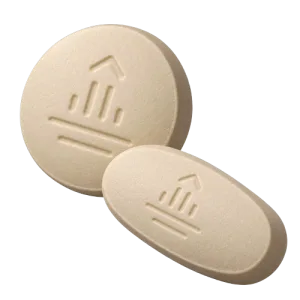
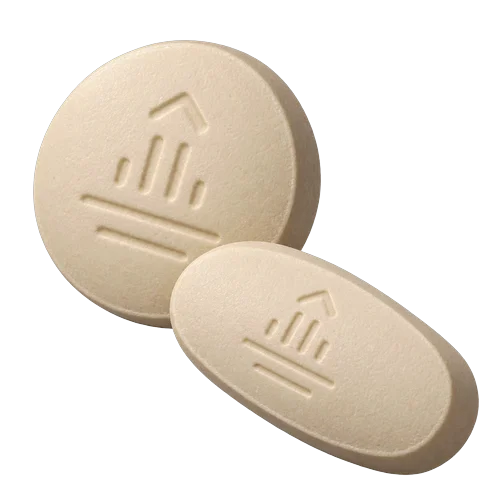
Empagliflozin tablets contain empagliflozin as the active medicine. The exact tablet strength and inactive ingredients are selected according to the prescribed product.

Directions for use

Empagliflozin is supplied as oral tablets. The amount taken at each intake is selected individually rather than being one fixed dose for every person. Kidney function, the treatment indication, blood glucose control, blood pressure, tolerance, and other medicines all influence that decision.

The product is taken by mouth once daily when prescribed for an approved indication. Strength selection belongs to the prescribing plan, especially when treatment is used for heart failure or chronic kidney disease rather than glucose control alone.

Clinical differentiation of strengths

Doctors may begin with a lower tablet strength and increase treatment only when the person’s indication, kidney function, blood pressure, and tolerance support that change. A higher strength can increase urinary glucose exposure without being suitable for every patient.

The practical checks before dose adjustment include:

  • estimated glomerular filtration rate, or eGFR;
  • current blood pressure and fluid status;
  • use of loop or thiazide diuretics;
  • episodes of genital infection or urinary symptoms;
  • insulin or sulfonylurea treatment;
  • recent surgery, fasting, vomiting, or acute illness.

Empagliflozin tablets should be swallowed whole with water. Crushing or chewing is unnecessary and may make administration less predictable.

Administration and timing

Empagliflozin tablets are taken once daily, preferably in the morning, with or without food. The prescribed amount applies to the individual treatment plan and should not be increased or doubled after a missed dose.

If a dose is missed, take it when remembered unless the next scheduled dose is close. In that situation, skip the missed dose and continue at the usual time. Two doses should not be taken together.

Morning administration has a practical advantage. Empagliflozin increases urinary glucose and can increase urine volume, so taking it late in the evening may make nocturnal urination more disruptive.

Keep a regular morning routine for the tablet, such as taking it after brushing your teeth. A consistent routine makes missed doses easier to identify without taking an extra tablet.

During vomiting, diarrhoea, prolonged fasting, severe infection, or major surgery, the risk of dehydration and ketoacidosis can rise. Prescribers may advise a temporary interruption during these situations, with restarting based on recovery and clinical guidance.

Hydration should be maintained, but forcing excessive amounts of fluid can also be harmful in heart failure or advanced kidney disease. The appropriate fluid intake depends on the person’s cardiovascular and renal plan.

Comparison

Empagliflozin belongs to a different class from insulin-releasing medicines and medicines that improve insulin sensitivity.

Treatment approach Main action Practical limitation
Empagliflozin and other SGLT2 inhibitors Increase urinary glucose and sodium excretion Genital infections, dehydration, and ketoacidosis can occur
Insulin-based treatment Replaces or supplements insulin activity Hypoglycaemia and weight gain may occur
Insulin-sensitising treatment Improves tissue response to insulin Suitability depends on kidney, liver, and heart status

An SGLT2 inhibitor may be selected when cardiovascular or renal protection is part of the treatment goal. Insulin may be needed when endogenous insulin production is insufficient or glucose levels require rapid control. A medicine that improves insulin sensitivity may suit another clinical profile, but it does not reproduce the same urinary glucose or heart-failure effects.

Common mistakes

Several avoidable errors can reduce benefit or increase risk.

  1. Taking an extra tablet after a missed dose. This does not restore the missed treatment window and may increase adverse effects.
  2. Taking the tablet late at night. Extra urination can disturb sleep and increase overnight dehydration.
  3. Ignoring genital symptoms. Early itching or soreness is easier to manage than a painful, persistent infection.
  4. Continuing through prolonged fasting or vomiting without advice. Reduced carbohydrate intake and dehydration can increase ketoacidosis risk.
  5. Stopping insulin independently. Empagliflozin does not replace insulin in people who require insulin therapy.
  6. Assuming normal glucose excludes ketoacidosis. SGLT2 inhibitor-associated ketoacidosis can occur without very high glucose.
  7. Using a higher strength without a dose review. The amount per intake is individual and depends on the treatment indication and kidney function.
Before surgery or a medical procedure, mention Empagliflozin specifically. Do not rely on a general statement that you take “diabetes tablets”, because perioperative interruption plans differ between medicines.

What doctors say

In clinical practice, doctors often describe Empagliflozin as a medicine with two related roles: glucose management and cardiorenal risk reduction. The correct role depends on the diagnosis, eGFR, blood pressure, fluid status, and concurrent treatment.

Prescribers usually expect consistent daily use rather than an immediate change after one tablet. Blood glucose may respond before a person notices any difference in symptoms. Kidney function, blood pressure, weight, HbA1c, fluid balance, and infection symptoms are commonly reviewed during follow-up. Follow-up timing depends on the indication and baseline risk. Report new symptoms between scheduled reviews.

A doctor may also ask about practical details that patients do not always connect with the medicine:

  • new genital irritation;
  • repeated night-time urination;
  • reduced food or fluid intake;
  • dizziness after standing;
  • an upcoming operation;
  • a low-carbohydrate diet or prolonged fasting;
  • changes in insulin or sulfonylurea treatment.

Empagliflozin can support a broader treatment plan, but it cannot compensate for severe dehydration, missed insulin, untreated infection, or sustained excessive alcohol intake.

What customers often ask

How long does one Empagliflozin dose keep working?

Empagliflozin is designed for once-daily action, with urinary glucose excretion continuing across the dosing interval. The glucose-lowering effect is not limited to the first few hours after the tablet. The EMA product information reviewed in 2025 describes once-daily administration for approved indications. Individual response varies with kidney function, food intake, hydration, and other glucose-lowering medicines.

How does Empagliflozin differ from medicines with another mechanism?

Empagliflozin lowers glucose by blocking SGLT2-mediated reabsorption in the kidney, rather than by directly increasing insulin release. This mechanism also produces urinary sodium and fluid loss, which contributes to its role in selected heart failure and kidney disease pathways. The WHO diabetes guidance available in 2023 distinguishes glucose-lowering classes by their mechanisms and safety considerations. The choice depends on the diagnosis, eGFR, cardiovascular status, and risk of hypoglycaemia.

Can alcohol be used while taking Empagliflozin?

Alcohol can increase dehydration, impair judgement about fluid intake, and contribute to poor food consumption or vomiting. Heavy intake or drinking during fasting may increase the conditions associated with ketoacidosis. MHRA safety advice available in 2025 supports prompt attention to nausea, abdominal pain, unusual tiredness, or abnormal breathing during SGLT2 inhibitor treatment. Alcohol intake should remain moderate and should not accompany prolonged fasting or deliberate dehydration.

Does Empagliflozin cause genital thrush?

Genital thrush is a recognised adverse effect because urinary glucose can encourage fungal growth around the genital area. Symptoms may include itching, soreness, redness, or unusual discharge. The EMA safety information reviewed in 2025 identifies genital infections among the known reactions associated with SGLT2 inhibition. Recurrent or severe symptoms need clinical assessment rather than repeated self-treatment.

Which diet, exercise, or habits support treatment?

Regular meals, adequate but individually appropriate hydration, and physical activity support diabetes and cardiovascular care. Extreme carbohydrate restriction, prolonged fasting, heavy alcohol use, and strenuous exercise during dehydration can increase ketoacidosis risk. NICE guidance reviewed in 2025 supports structured lifestyle measures alongside pharmacological treatment for type 2 diabetes. Exercise plans should take account of heart failure symptoms, kidney disease, insulin use, and the risk of low blood pressure.

Do you offer anonymous delivery?

Your order will be securely packed and shipped within 24 hours. This is exactly what your package will look like (images of an actual item sent). It has the size and look of a regular private letter (24x11x0.7 cm) and its contents cannot be seen.

Comparison

Comparison table: Diabetes

How Buyers Rate Empagliflozin

3.4
Based on 5 reviews
Martin V., 45
York
Several weeks
Verified
Rating: 4 out of 5

I used Empagliflozin as part of my type 2 diabetes treatment. After several weeks, my morning readings were more consistent and I felt more confident managing workdays. The morning tablet fitted easily into my routine.

28 Oct 2026
Michael, 53
Bournemouth
The first couple of months
Verified
Rating: 4 out of 5

Empagliflozin helped improve my glucose readings over the first couple of months. I was satisfied with the routine.

10 Oct 2026
David B., 56
Southampton
The first weeks
Verified
Rating: 3 out of 5

My readings improved, although the change was slower than I expected. I also had more thirst during the first weeks and discussed my fluid intake with my doctor. It worked for me, but it required more attention than I had anticipated.

6 Nov 2026
Craig K., 58
Derby
Verified
Rating: 4 out of 5

I took the tablet in the morning and saw better glucose readings during regular home checks. The routine was simple, and I found it easier to remember than medicines taken several times a day. I was pleased with the result.

19 Oct 2026
Lee, 39
Nottingham
Verified
Rating: 2 out of 5

Empagliflozin did not suit me. I developed persistent genital irritation and stopped after speaking with my doctor. My glucose readings did not improve enough to justify continuing it.

12 Oct 2026

Sources

  1. European Medicines Agency (2025). Jardiance: EPAR — Product information for empagliflozin.
  2. Medicines and Healthcare products Regulatory Agency (2020). SGLT2 inhibitors: updated advice on the risk of diabetic ketoacidosis.
Get our free app Shop faster and track your orders 4.0 · 224 reviews Install