Skip to content
24/7 Support
Save up to 80%
Fast & Discreet Delivery
Glucophage

Glucophage

Quality products
24/7 Support
Fast delivery
Delivery from 4 days
Active ingredient Metformin

Free delivery on orders from £ 172.00, free express delivery from £ 258.00

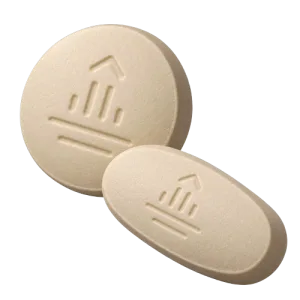
Glucophage tablets are taken by mouth with or after food to help control blood glucose in adults with Type 2 diabetes. Its active ingredient, metformin, lowers glucose production in the liver and helps the body respond better to insulin.

Overview

Glucophage is a brand of metformin, an oral antidiabetic medicine from the biguanide class. Metformin is prescribed mainly for Type 2 diabetes, alongside dietary measures and physical activity when these do not provide sufficient glycaemic control alone.

Therapeutic indications

Metformin is prescribed mainly for Type 2 diabetes, alongside dietary measures and physical activity when these do not provide sufficient glycaemic control alone.

Type 2 diabetes involves insulin resistance, increased glucose release from the liver and, over time, reduced insulin production by pancreatic beta cells. Metformin addresses the first two problems without replacing insulin directly.

Mechanism of action

Metformin lowers glucose production in the liver and improves the body's response to insulin. This helps tissues use circulating glucose more effectively and reduces blood glucose levels. It addresses insulin resistance and increased hepatic glucose release without replacing insulin directly.

Reasons not to use it

Glucophage is not suitable for you if a prescriber has identified severe kidney impairment, acute metabolic acidosis or diabetic ketoacidosis.

Glucophage is not suitable in these situations

  • Severe renal impairment.
  • Diabetic ketoacidosis or diabetic pre-coma.
  • Metabolic acidosis, including lactic acidosis.
  • Severe dehydration.
  • Severe infection with circulatory or respiratory compromise.
  • Acute heart failure or recent cardiovascular collapse.
  • Severe liver dysfunction where the prescriber considers metformin unsuitable.
  • Heavy alcohol use combined with poor nutrition or dehydration.
  • A previous serious reaction to metformin.

When this is not for you

It also requires careful review during conditions that can reduce oxygen delivery to tissues or cause rapid loss of kidney function.

Kidney function should be reviewed before treatment and during long-term use. Older adults, people with chronic kidney disease and those taking medicines that affect renal function may need more frequent monitoring.

Pregnancy and breastfeeding require an individual treatment decision. Metformin may be used in some pregnancy-related diabetes plans, but the choice depends on glucose control, kidney function and obstetric assessment. It should not be started, stopped or changed during pregnancy without a specific treatment plan.

Unwanted effects

Digestive symptoms are the most frequent adverse effects associated with metformin. They are often strongest during the first days or weeks of treatment and may lessen after gradual dose adjustment.

Common effects include:

  • Nausea or queasiness.
  • Diarrhoea or loose stools.
  • Abdominal discomfort, bloating or cramping.
  • Reduced appetite.
  • A metallic taste in the mouth.
  • Headache in some patients.

Taking Glucophage with food can reduce stomach irritation. A slow dose increase, a temporary dose reduction or a modified-release formulation may improve tolerance when gastrointestinal symptoms persist. Persistent diarrhoea should not simply be accepted as normal, since it can cause dehydration and affect kidney function.

Long-term metformin treatment can reduce vitamin B12 absorption. Low vitamin B12 may contribute to tiredness, a sore or smooth tongue, pins and needles, numbness, balance problems or anaemia. The MHRA advises clinicians to consider measuring vitamin B12 in patients with symptoms or risk factors, including prolonged treatment and higher daily exposure [1].

Lactic acidosis is rare but serious. Warning symptoms can include marked weakness, unusual sleepiness, vomiting, abdominal pain, muscle cramps, breathing difficulty, feeling cold, dizziness or a slow heartbeat. The risk is higher with significant kidney impairment, severe dehydration, uncontrolled diabetes, serious infection, tissue hypoxia or heavy alcohol intake.

A metallic taste by itself is usually an unpleasant but non-emergency effect. Breathing difficulty, severe weakness, repeated vomiting or unusual drowsiness requires urgent medical assessment rather than a routine dose adjustment.

Glucophage can also cause taste disturbance without any change in blood glucose. Patients sometimes stop treatment because of this symptom before discussing practical options such as taking the tablet with food or changing the formulation.


Formulation

Active ingredient and pharmaceutical class

The active ingredient is metformin. It belongs to the biguanide group of medicines and is used to reduce elevated blood glucose in Type 2 diabetes.

Glucophage tablets are swallowed rather than injected. The treatment plan may use metformin alone or combine it with insulin or another glucose-lowering medicine when one treatment does not achieve the intended blood glucose range.

Stomach upset is more likely when metformin is taken on an empty stomach. Taking the tablet during or just after a meal can improve tolerability.

Directions for use

The amount of Glucophage used and how often it is taken depend on the purpose of treatment and are agreed with a doctor or pharmacist. Dose increases are usually gradual because gastrointestinal adverse effects are more likely when treatment starts at a higher dose.

Typical administration principles include:

  • Take the tablets by mouth with or immediately after food.
  • Swallow each tablet with water.
  • Take doses at the times agreed in the treatment plan.
  • Do not crush or chew modified-release tablets unless the product’s approved instructions specifically allow it.
  • Do not take an extra tablet to compensate for a missed dose.
  • If a dose is missed, take the next scheduled dose at the usual time unless a prescriber has given different instructions.
  • Keep taking the medicine regularly even when blood glucose improves, unless the prescriber changes the plan.

A missed dose is usually managed by skipping it rather than doubling the next dose. Double dosing can increase nausea, diarrhoea and the risk of clinically significant metformin accumulation when kidney function is impaired.

If vomiting, severe diarrhoea, fever or major dehydration develops, contact the prescriber promptly. Temporary interruption may be needed because dehydration can worsen kidney function and increase the risk associated with metformin accumulation.

Kidney function is assessed before treatment and periodically afterwards. Metformin is cleared mainly through the kidneys, so the dose or continued use may need review when renal function declines.

Comparison

Comparison of glucose-lowering approaches

Treatment approach Main action Main limitation
Metformin Reduces liver glucose production and improves insulin sensitivity Gastrointestinal effects; renal function limits use
Insulin Replaces or supplements insulin directly Hypoglycaemia and weight gain are possible
Insulin secretagogue Encourages pancreatic insulin release Hypoglycaemia and weight gain may occur

Metformin is often selected early in Type 2 diabetes because it targets insulin resistance and rarely causes hypoglycaemia on its own. Insulin may be needed when pancreatic insulin production is inadequate, during severe hyperglycaemia, pregnancy in some circumstances, or acute illness. Secretagogues can lower glucose effectively, but their action continues even when food intake is reduced, which raises hypoglycaemia risk.

The choice depends on HbA1c, kidney function, cardiovascular and kidney disease, weight, age, concurrent medicines and the person’s ability to follow the dosing schedule. NICE guidance supports individualised treatment rather than one fixed regimen for every adult with Type 2 diabetes [2].

Common mistakes

Several habits reduce the benefit of treatment or increase avoidable adverse effects:

  • Taking the tablet before food despite repeated stomach upset.
  • Stopping treatment as soon as glucose readings improve.
  • Doubling the next dose after a missed tablet.
  • Ignoring prolonged diarrhoea or vomiting.
  • Failing to mention metformin before an iodinated contrast procedure.
  • Assuming metformin alone cannot contribute to a problem during severe dehydration.
  • Drinking heavily while eating very little.
  • Not reporting numbness, tingling, anaemia or persistent fatigue that could indicate low vitamin B12.
  • Treating every episode of dizziness as hypoglycaemia without checking glucose when possible.
  • Forgetting to mention over-the-counter anti-inflammatory medicines, supplements or new prescriptions.

One practical error is swallowing a modified-release tablet after crushing it to make it easier to take. Altering the tablet can change how metformin is released and may worsen gastrointestinal effects.

Another is measuring success by a single reading. HbA1c reflects average glycaemia over roughly two to three months, while home readings show shorter-term patterns.

What doctors say

In clinical practice, doctors often view metformin as a foundation treatment because it lowers hepatic glucose production without directly forcing insulin release. That profile explains its low hypoglycaemia risk when used alone, though it does not remove the risk created by other diabetes medicines.

Prescribers usually focus on four practical questions: Is kidney function adequate? Is the patient eating and drinking normally? Are gastrointestinal symptoms manageable? Is the HbA1c response sufficient after an appropriate trial?

A clinician may also review vitamin B12 when symptoms develop or when long-term treatment includes recognised risk factors. The MHRA’s 2022 safety communication placed greater emphasis on recognising reduced B12 as a common adverse effect rather than treating it as an unusual finding .

Patients often expect a noticeable sensation after taking a glucose-lowering tablet. Metformin usually does not produce a feeling of immediate action. Its benefit is assessed through blood glucose records and HbA1c rather than through a rapid subjective effect.

What customers often ask

What should be discussed with a doctor before starting Glucophage?

Kidney function, liver disease, alcohol intake, dehydration risk, pregnancy, breastfeeding and every current medicine should be discussed before starting treatment. The prescriber should also know about planned procedures involving iodinated contrast. NICE guidance available in 2026 continues to support individualised diabetes treatment based on renal function, HbA1c and comorbidities. Metformin is unsuitable in diabetic ketoacidosis and established metabolic acidosis.

Can Glucophage affect driving, concentration or work with machinery?

Glucophage used alone does not usually impair concentration or driving because it rarely causes hypoglycaemia by itself. The risk changes when it is combined with insulin or an insulin secretagogue, because low glucose can cause blurred vision, confusion or delayed reactions. The DVLA and NHS advice in 2026 supports checking how diabetes treatment affects an individual before driving. Beta-blockers may mask tremor and palpitations, so additional caution is needed when hypoglycaemia risk is present.

Which symptoms require stopping Glucophage and seeking urgent medical help?

Severe weakness, repeated vomiting, abdominal pain, breathing difficulty, unusual drowsiness, feeling cold, dizziness or a slow heartbeat can signal lactic acidosis and require urgent assessment. Severe dehydration from vomiting or diarrhoea also needs prompt medical advice because kidney function may deteriorate. The MHRA's 2022 safety guidance identifies lactic acidosis as rare but serious, with higher risk in renal impairment and acute illness. Do not take another dose while seeking urgent advice unless an emergency clinician gives different instructions.

What is the best time of day to take Glucophage?

The best time depends on the prescribed schedule and whether the formulation is immediate-release or modified-release. Tablets are generally taken with or immediately after meals to reduce nausea, cramping and diarrhoea. NHS diabetes advice in 2026 continues to emphasise matching dosing with meals and the prescribed frequency. A missed dose should not be replaced by taking two doses together.

Does Glucophage cause diarrhoea?

Yes, diarrhoea is a recognised metformin adverse effect, especially when treatment begins or the dose increases. It often improves when the medicine is taken with food and the dose is increased gradually. The EMA's 2019 product information identifies gastrointestinal symptoms as common or very common depending on the formulation. Persistent or severe diarrhoea can cause dehydration and needs clinical review.

Is Glucophage suitable for older adults?

Older adults can use metformin when kidney function and general health support its use. Age itself is not an automatic reason to avoid treatment, but renal function may decline silently and should be monitored. The WHO diabetes framework in 2023 emphasised adapting diabetes care to comorbidity, functional status and treatment burden. Frailty, dehydration, poor food intake and medicines affecting the kidneys require extra caution.

How soon does Glucophage begin to work?

Metformin begins influencing glucose production after treatment starts, but the measurable effect develops over days to weeks as the dose is adjusted and taken consistently. HbA1c is usually reviewed after about three months because it reflects longer-term glucose exposure. NICE guidance in 2026 continues to use HbA1c and home glucose patterns to judge treatment response. A lack of immediate sensation does not mean the medicine is inactive.

Do you offer anonymous delivery?

Your order will be securely packed and shipped within 24 hours. This is exactly what your package will look like (images of an actual item sent). It has the size and look of a regular private letter (24x11x0.7 cm) and its contents cannot be seen.

Comparison

Comparison table: Diabetes

How Buyers Rate Glucophage

4.2
Based on 3 reviews
Steven, 62
Ipswich
For several weeks
Verified
Rating: 5 out of 5

I took Glucophage with my evening meal and found my morning readings became steadier over the following weeks. The tablets fitted into my routine, and I felt more confident managing my Type 2 diabetes.

10 Oct 2026
Darren V., 66
Luton
For several weeks
Verified
Rating: 4 out of 5

After using Glucophage consistently, my readings were less erratic than they had been before. I liked that it did not make me feel suddenly low when I took it with food.

22 Oct 2026
Kevin, 44
Leicester
For two weeks
Verified
Rating: 3.5 out of 5

Glucophage helped my readings, but the first couple of weeks were uncomfortable because of loose stools and a metallic taste. The benefit was only partial for me, so I discussed the symptoms and my results with my doctor rather than continuing unchanged.

5 Nov 2026

Sources

  1. Medicines and Healthcare products Regulatory Agency (2022). Metformin and reduced vitamin B12 levels: new advice for monitoring patients at risk.
  2. National Institute for Health and Care Excellence (2022). Type 2 diabetes in adults: management.
Get our free app Shop faster and track your orders 4.0 · 224 reviews Install