Skip to content
24/7 Support
Save up to 80%
Fast & Discreet Delivery
Rumalaya

Rumalaya

Quality products
24/7 Support
Fast delivery
Delivery from 4 days
Active ingredient Rumalaya

Free delivery on orders from £ 172.00, free express delivery from £ 258.00

Rumalaya is taken orally. The tablets are intended for adults who want herbal support alongside sensible movement, rest, and management of activities that aggravate joint or muscle discomfort. An oral tablet passes through the digestive system and may provide broader support.

Overview

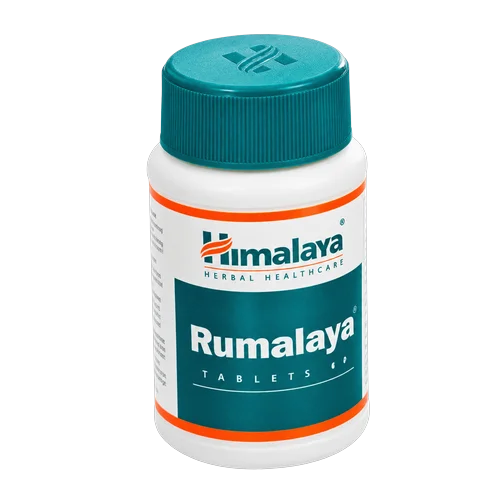
Rumalaya is supplied as tablets in a bottle. The product is presented as herbal healthcare, so its use belongs to the wider category of botanical support for joints, muscles, and movement.

Therapeutic indications

Joint discomfort can arise from several different situations:

  • age-related changes affecting movement;
  • physical overuse or repetitive activity;
  • minor muscular strain;
  • stiffness after periods of inactivity;
  • discomfort associated with exercise or manual work.

Pain that follows a fall, produces visible deformity, or prevents weight-bearing needs prompt medical assessment. The same applies to a joint that becomes red and hot, or pain accompanied by fever.

NICE recommends combining symptom management with movement, strengthening, and weight-management measures when osteoarthritis is present [1]. An herbal tablet can fit into a broader plan, but it should not be treated as the sole response to persistent loss of function.

Mechanism of action

Herbal joint products are often discussed in terms of inflammation, oxidative stress, and connective-tissue support. These terms describe biological processes involved in pain and stiffness, but they do not identify the exact action of Rumalaya without a verified ingredient list.

Inflammation is the body’s response to tissue stress or injury. It can produce warmth, swelling, tenderness, and restricted movement. A botanical preparation may contain compounds intended to influence inflammatory signalling, yet laboratory activity does not guarantee the same level of benefit in every person.

The World Health Organization stresses that herbal products need safety monitoring because their effects can vary with preparation, dose, interactions, and individual susceptibility [5].

Reasons not to use it

  • known allergy to any ingredient in the tablets;
  • previous serious reaction to a herbal product;
  • pregnancy or breastfeeding;
  • significant liver or kidney disease;
  • a history of recurrent stomach irritation or ulcer symptoms;
  • planned surgery or an invasive dental procedure;
  • use of medicines that affect blood clotting;
  • use of several pain medicines or herbal joint products at the same time.

When this is not for you

Rumalaya is not suitable for everyone. It is NOT for you if you are pregnant or breastfeeding, have significant liver or kidney disease, or use medicines that affect blood clotting. Avoid use or obtain individual medical advice first if you are allergic to an ingredient, have previously had a serious reaction to a herbal product, have recurring stomach irritation or ulcer symptoms, are due to have surgery or an invasive dental procedure, or are taking several pain medicines or herbal joint products together.

Older adults may take several medicines for blood pressure, diabetes, heart disease, sleep, or pain. Adding an herbal product can make the complete treatment list harder to assess, especially when the ingredients or strengths of other supplements are not recorded.

Anyone using anticoagulants, antiplatelet medicines, corticosteroids, or regular anti-inflammatory treatment should discuss Rumalaya before starting it. The concern is not that an interaction will definitely occur; the concern is that botanical ingredients may alter tolerability or add to an existing treatment effect.

MHRA guidance places emphasis on responsible use, product information, and reporting suspected adverse reactions linked to herbal medicines [3]. A new symptom should not automatically be blamed on Rumalaya, but it should not be ignored either.

Unwanted effects

Rumalaya may be tolerated without difficulty, yet herbal products can still cause unwanted reactions. Possible problems include:

  • stomach discomfort;
  • nausea or loose stools;
  • headache or dizziness;
  • itching, rash, or other allergic symptoms;
  • worsening symptoms after combining it with another product.

A mild digestive reaction may settle, but repeated vomiting, facial swelling, breathing difficulty, widespread rash, fainting, or severe abdominal pain requires urgent medical attention.

The product should be stopped and reviewed promptly if joint pain changes character, swelling becomes marked, or mobility deteriorates. Pain relief can sometimes make a person more active than an injured joint can tolerate, so returning to exercise should be gradual.

One practical point is easy to miss: a herbal tablet can still matter before surgery or dental procedures. The medicine history given to the surgical team should include herbal products, even when they are not prescription medicines.

Write down the product name and every medicine or supplement taken during the same week. This is useful if a rash, stomach reaction, unusual bruising, or dizziness develops.

Formulation

Rumalaya is supplied as oral tablets for herbal healthcare support of joints, muscles, and movement. The specific ingredients and amounts are not established in the available information.

Directions for use

The dose of Rumalaya is decided individually, taking age, other medicines, and health conditions into account. Use the prescribed or professionally recommended dose and do not increase the number of tablets because discomfort has not improved quickly.

Key points for oral administration include:

  • swallow the tablet with water;
  • take doses at consistent times when a regular schedule has been recommended;
  • avoid doubling the next dose after a missed dose;
  • do not crush or chew the tablet unless a pharmacist or prescriber has confirmed that this is suitable;
  • keep the product away from children;
  • record other herbal products and medicines used during the same period.

If a dose is missed, take it when remembered unless the next scheduled dose is near. In that situation, skip the missed dose and return to the usual schedule. Taking two doses together increases the chance of unwanted effects without guaranteeing better joint support.

Keep a simple note of tablet times for the first week. This helps distinguish a genuine response from changes caused by reduced activity, better sleep, or a temporary flare settling naturally.

Duration depends on response. Persistent pain lasting several weeks, repeated swelling, night pain, or progressive stiffness deserves clinical review rather than indefinite self-treatment.

Comparison

Rumalaya tablets and topical joint products represent different administration routes. The table below compares the general approaches without assigning unconfirmed ingredients or clinical results to Rumalaya.

Feature Rumalaya tablets Topical joint product
Route Oral administration Applied to the skin
Target Body-wide exposure after swallowing Local area of application
Practical use May suit discomfort affecting more than one area May suit one accessible, localised area

Oral treatment is more convenient when stiffness affects several joints or when applying a product repeatedly is impractical. It also creates greater potential for digestive effects and medicine interactions because the product is absorbed through the body.

A topical product avoids swallowing and may be preferable for someone who cannot tolerate oral preparations. It can cause local irritation, and it may be unsuitable over broken skin. Topical and oral products should not be combined automatically; the total treatment plan should account for all medicines and supplements being used.

The European Medicines Agency evaluates herbal substances according to evidence, quality, safety, and the proposed medicinal use, rather than treating every botanical preparation as interchangeable [4]. The exact product, route, and formulation therefore matter.

Common mistakes

Several habits can reduce the value of a joint-support product or increase risk:

  • increasing the dose because improvement is not immediate;
  • taking two doses after forgetting one;
  • combining multiple herbal joint products with overlapping purposes;
  • assuming that natural products cannot interact with medicines;
  • continuing strenuous exercise through swelling or sharp pain;
  • using a tablet for pain after a significant injury without assessment;
  • failing to mention the product before surgery;
  • stopping prescribed treatment and replacing it with Rumalaya without clinical advice;
  • judging the product after one isolated dose;
  • ignoring new rash, breathing difficulty, severe stomach pain, or faintness.

Another common error is confusing reduced pain with complete recovery. A person may feel more comfortable while the underlying strain remains. Activity should increase gradually, with attention to swelling, function, and next-day symptoms.

What doctors say

In clinical practice, a doctor would first establish whether the discomfort is mechanical, inflammatory, traumatic, or related to another condition. Herbal support may be considered when symptoms are mild and stable, but the cause still matters more than the product category.

A useful consultation includes the location of pain, duration, morning stiffness, swelling, recent injury, fever, weakness, and the effect on sleep. These details help separate ordinary strain from problems needing examination or imaging.

Doctors also look for treatment duplication. A patient may describe Rumalaya as a supplement while forgetting to mention a separate joint formula, regular anti-inflammatory medicine, or an anticoagulant. A complete list gives a clearer safety picture.

WHO guidance for chronic primary low back pain supports non-drug measures such as education, physical activity, and selected supportive treatments rather than relying on one tablet alone [2]. The same principle is relevant when Rumalaya is used for wider musculoskeletal discomfort.

What customers often ask

Does Rumalaya cause stomach upset?

Digestive discomfort, nausea, or loose stools can occur with herbal tablets, although not every user experiences these effects. The risk may be greater when a tablet is taken without food or alongside several other supplements. MHRA herbal-medicine guidance from 2024 supports recording suspected reactions and reviewing the full product history . Stop the product and seek urgent help for severe abdominal pain, repeated vomiting, facial swelling, or breathing difficulty.

Can older adults use Rumalaya?

Older adults may use a herbal tablet only after their medicines and health conditions have been considered. Age-related kidney or liver changes can affect the way the body handles medicines, while multiple treatments increase the possibility of interactions. NICE guidance published in 2022 places emphasis on individualising osteoarthritis care according to function, frailty, and other conditions . A written list of prescriptions, over-the-counter products, and supplements makes the review more accurate.

What should be discussed with a doctor before starting Rumalaya?

Discuss allergies, pregnancy or breastfeeding, liver or kidney disease, stomach-ulcer history, planned surgery, and all medicines that affect clotting. Mention regular anti-inflammatory treatment and any other herbal joint products. EMA herbal-medicine principles from 2018 require attention to the identity, quality, and safety profile of botanical preparations . This discussion is especially useful when several products are being taken for the same symptoms.

Can Rumalaya affect driving, concentration, or machinery work?

Dizziness, headache, or an unexpected reaction could impair driving, concentration, or machinery work, even though such effects do not occur in every user. Avoid driving until you know how the tablets affect you, especially after the first doses or after adding another medicine. WHO safety-monitoring guidance from 2004 supports recognising and documenting suspected adverse reactions to herbal products . Do not operate machinery if you feel faint, unusually sleepy, confused, or unsteady.

What should happen after a missed Rumalaya dose?

Take the missed tablet when remembered unless the next dose is close. If the next dose is due soon, skip the missed tablet and continue with the normal schedule. Do not take two tablets together to compensate. WHO guidance published in 2023 describes self-management as part of a wider care plan, rather than encouraging repeated extra dosing for persistent musculoskeletal symptoms .

Which symptoms mean stopping Rumalaya and seeking urgent help?

Stop taking Rumalaya and seek urgent medical help for breathing difficulty, swelling of the lips or face, widespread blistering rash, fainting, severe abdominal pain, or repeated vomiting. Prompt clinical assessment is also needed for a hot swollen joint, fever with joint pain, sudden weakness, or pain after a serious injury. NICE’s 2022 musculoskeletal guidance supports assessment when symptoms suggest a condition beyond routine mechanical discomfort . Do not restart the tablets after a suspected allergic reaction unless a qualified clinician has specifically reviewed the event.

Do you offer anonymous delivery?

Your order will be securely packed and shipped within 24 hours. This is exactly what your package will look like (images of an actual item sent). It has the size and look of a regular private letter (24x11x0.7 cm) and its contents cannot be seen.

Comparison

Comparison table: Anti-inflammatory

How Buyers Rate Rumalaya

4
Based on 3 reviews
Alan, 29
Glasgow
Several weeks
Verified
Rating: 2 out of 5

I used Rumalaya tablets as directed for several weeks after recurring knee discomfort from training. I did not notice a clear improvement, and the stiffness was still there when I ran. I stopped using it rather than continuing without a visible benefit.

1 Nov 2026
Alison N., 37
Bristol
A couple of weeks
Verified
Rating: 5 out of 5

I took Rumalaya tablets as directed for a couple of weeks during a period of regular shoulder and upper-back stiffness. After a couple of weeks, reaching overhead at work felt easier, and I was pleased that the discomfort was less distracting during the day.

8 Nov 2026
Daniel H., 60
Stoke-on-Trent
Several weeks
Verified
Rating: 5 out of 5

I used Rumalaya tablets as directed for several weeks for general stiffness in my hands and knees. The change was gradual, but morning movement became easier and everyday tasks felt less troublesome after continued use.

10 Oct 2026

Sources

  1. NICE (2022). Osteoarthritis in over 16s: diagnosis and management (NG226).
  2. World Health Organization (2023). WHO guideline for non-surgical management of chronic primary low back pain in adults.
  3. MHRA (2024). Herbal medicines and licensing.
  4. European Medicines Agency (2018). Guideline on quality of herbal medicinal products and traditional herbal medicinal products.
  5. World Health Organization (2004). WHO guidelines on safety monitoring of herbal medicines in pharmacovigilance systems.
Get our free app Shop faster and track your orders 4.0 · 224 reviews Install