Skip to content
24/7 Support
Save up to 80%
Fast & Discreet Delivery
Naprosyn

Naprosyn

Quality products
24/7 Support
Fast delivery
Delivery from 4 days
Active ingredient Naproxen

Free delivery on orders from £ 172.00, free express delivery from £ 258.00

Naprosyn reduces the body’s production of prostaglandins, chemical messengers involved in pain, swelling and fever. It is used in adults for inflammatory pain such as arthritis, muscle and joint pain, acute injuries and period pain. The active ingredient, naproxen, belongs to the non-steroidal anti-inflammatory drug group.

Overview

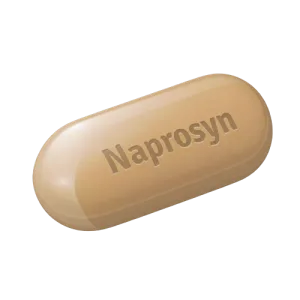
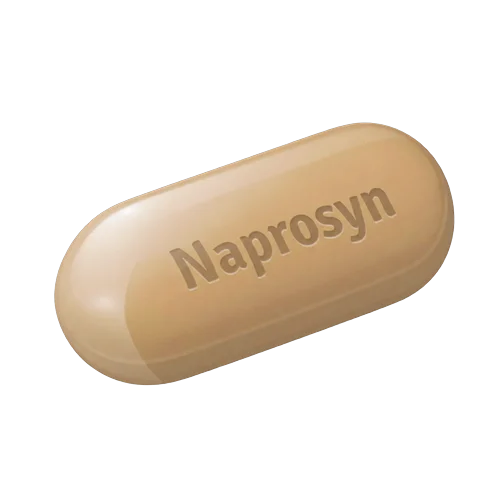
Naprosyn contains naproxen and is supplied as tablets. Naproxen is an NSAID, meaning it reduces pain, inflammation and fever by limiting the formation of inflammatory chemical messengers.

Active ingredient and drug class

Naproxen is an anti-inflammatory painkiller. It can reduce tenderness, stiffness, swelling and pain when inflammation contributes to the symptoms. It treats symptoms, but it does not identify or remove every underlying cause of pain.

Naprosyn may be prescribed for osteoarthritis, rheumatoid arthritis, gout, tendon or muscle inflammation, back pain, sprains and painful periods. The suitable dose and treatment length depend on the condition, age, kidney function, stomach history and other medicines.

Therapeutic indications

Naprosyn may be prescribed for osteoarthritis, rheumatoid arthritis, gout, tendon or muscle inflammation, back pain, sprains and painful periods.

Mechanism of action

Naproxen blocks cyclo-oxygenase enzymes, often called COX enzymes. These enzymes help the body produce prostaglandins, which contribute to pain sensitivity, swelling and fever.

Prostaglandin reduction

Lower prostaglandin production can make inflamed tissues less painful and reduce swelling. The same chemical system also helps protect the stomach lining, support kidney blood flow and influence blood-vessel function, which explains why NSAIDs can affect these organs.

Pain relief may occur before the underlying condition has improved. Persistent pain still needs assessment, especially when the cause is unclear or symptoms are worsening. The UK Medicines and Healthcare products Regulatory Agency highlights gastrointestinal, kidney and cardiovascular precautions across NSAID treatment [1].

Relief and treatment limits

Naprosyn can ease symptoms while arthritis, an injury or another inflammatory condition remains present. It does not replace treatment directed at the cause of infection, nerve compression, fracture or another serious problem.

Black stools, vomiting blood, sudden weakness, breathing difficulty or chest pain require urgent medical attention rather than another dose of Naprosyn.

Reasons not to use it

Do not take Naprosyn if you have:

  • A previous allergic reaction to naproxen, aspirin or another NSAID
  • An active stomach or duodenal ulcer
  • Current gastrointestinal bleeding
  • A history of serious NSAID-related bleeding unless a prescriber has reassessed the risk
  • Severe heart, kidney or liver failure
  • A previous severe skin reaction to an NSAID

Naproxen should be avoided during the third trimester of pregnancy. Earlier pregnancy use also requires a specific clinical decision because NSAIDs can affect pregnancy and fetal circulation.

When this is not for you

Naprosyn is not suitable for everyone.

A prescriber should review treatment before use if you have asthma, high blood pressure, heart disease, kidney disease, inflammatory bowel disease, a previous ulcer or regular dehydration.

Diuretics, some blood-pressure medicines and dehydration can combine with NSAIDs to reduce kidney function. Older adults can develop complications with fewer warning symptoms, so treatment duration and kidney function may need review.

Naproxen passes into breast milk in small amounts. Breastfeeding decisions depend on the dose, treatment length, the infant’s health and available alternatives. A prescriber or pharmacist should review all medicines during pregnancy or breastfeeding rather than relying on a general painkiller rule. The European Medicines Agency describes pregnancy-related NSAID restrictions and risk assessment in its naproxen product information [3].

Unwanted effects

Naproxen can cause digestive symptoms, headache and dizziness. Risk rises with higher doses, longer treatment, older age, a previous ulcer and combinations with medicines that affect bleeding or kidney function.

Common adverse effects

Possible effects include:

  • Indigestion or heartburn
  • Nausea
  • Stomach discomfort or abdominal pain
  • Headache
  • Dizziness
  • Constipation or diarrhoea
  • Mild ankle swelling

Taking Naprosyn after food may make indigestion less troublesome. It does not prevent an ulcer, bleeding or kidney injury.

Serious reactions and red-flag symptoms

Stop taking Naprosyn and seek urgent medical care for:

  • Vomiting blood or material resembling coffee grounds
  • Black, tar-like stools
  • Severe or persistent stomach pain
  • Facial, tongue or throat swelling
  • Wheezing or difficulty breathing
  • A widespread blistering or peeling rash
  • Chest pain, sudden weakness or slurred speech
  • Markedly reduced urine production or sudden swelling

An allergic reaction can occur even if someone has tolerated an NSAID in the past. The UK patient information for naproxen and MHRA safety material describe these gastrointestinal, allergic, kidney and cardiovascular warning signs [2].

A mild headache is different from facial swelling or breathing difficulty. The latter may represent a serious allergic reaction and should not be managed with another tablet.

Formulation

Naprosyn contains naproxen and is supplied as tablets. Naproxen is an NSAID, meaning it reduces pain, inflammation and fever by limiting the formation of inflammatory chemical messengers.

Fact Naprosyn
Active ingredient Naproxen
Drug class Non-steroidal anti-inflammatory drug
Main uses Inflammatory pain, arthritis, musculoskeletal pain and period pain
Taking an extra tablet because pain has continued can increase stomach, bleeding and kidney risks without producing proportionally better relief.

Common therapeutic uses

Naprosyn may help when inflammation is driving pain. It is less suitable for unexplained pain that is severe, recurrent or associated with concerning symptoms such as sudden weakness, chest pain or black stools.

Directions for use

How much Naprosyn to use and how often depends on the purpose of treatment and is agreed with a doctor or pharmacist. Use the prescribed dose or the dose specified in the product information for the particular formulation.

  • Take the tablet with or just after food when possible.
  • Swallow gastro-resistant tablets whole with water.
  • Use the lowest effective dose for the shortest appropriate period.
  • Do not take Naprosyn with ibuprofen, ketorolac or another NSAID unless specifically directed.
  • If a dose is missed, take it when remembered unless the next dose is due soon; do not take two doses together.
  • Older adults and people with kidney, liver, heart or stomach problems need individual dosing advice.
  • Children should only receive naproxen when a clinician has selected the formulation and dose.

Food may reduce stomach irritation, but it does not remove the risk of ulcers or gastrointestinal bleeding. Alcohol can add to stomach irritation and may make dizziness more troublesome.

Keep the tablet intact when it is gastro-resistant. Crushing or chewing can change how naproxen is released and may increase local stomach irritation.

Comparison

Naproxen, ibuprofen and aspirin are NSAIDs, while paracetamol is not an NSAID. The choice depends on inflammation, duration of symptoms, bleeding risk, kidney function, cardiovascular health and other medicines.

Medicine Main distinction
Naproxen NSAID with anti-inflammatory and pain-relieving action; treatment duration and stomach, kidney and cardiovascular risks require control
Ibuprofen NSAID used for pain and inflammation; should not usually be taken with naproxen
Paracetamol Non-NSAID pain and fever treatment; does not provide the same anti-inflammatory action

Naproxen and ibuprofen

Both medicines reduce prostaglandin production. Naproxen may provide longer-lasting relief than some shorter-acting NSAID schedules, but longer action does not mean lower risk.

Naproxen and aspirin

Aspirin used for pain and prescribed low-dose aspirin are different situations. People taking low-dose aspirin for cardiovascular protection should obtain specific advice before adding Naprosyn, because the combination can increase bleeding risk.

Do not stop prescribed aspirin independently. The prescriber needs to balance cardiovascular protection against gastrointestinal, kidney and bleeding risks.

Naproxen and paracetamol

Paracetamol works through a different mechanism and does not provide the same anti-inflammatory action. A clinician may sometimes recommend a combined approach, but the correct schedule depends on the person’s health and other medicines.

Excessive paracetamol can damage the liver, especially with liver disease, heavy alcohol use, low body weight or prolonged use. Avoid taking several products containing paracetamol at the same time.

Common mistakes

Several practical errors increase risk or make treatment appear less useful:

  • Taking Naprosyn alongside ibuprofen for additional pain relief.
  • Adding aspirin for pain without discussing the combination.
  • Taking more tablets because the first dose has not helped quickly enough.
  • Continuing daily treatment for weeks without a review.
  • Using Naprosyn during dehydration caused by vomiting, diarrhoea, fever or poor fluid intake.
  • Forgetting to mention non-prescription painkillers, steroids, antidepressants or blood thinners.
  • Stopping a long-term prescription suddenly without discussing the treatment plan.

A missed dose does not normally justify taking extra tablets. Resume the planned schedule unless a prescriber gives different instructions.

What doctors say

In clinical practice, doctors usually assess three points before continuing naproxen: whether inflammation is present, whether the medicine is helping, and whether risk factors have changed.

Naproxen can be a reasonable option when anti-inflammatory treatment is needed, yet it should not be treated as a harmless everyday painkiller. A prescriber may choose a shorter course, lower dose, gastroprotection or another approach when ulcer, kidney or cardiovascular risk is high.

The best response is usually judged by function as well as pain. Better walking, sleep or joint movement may be more useful measures than pursuing complete pain elimination.

What customers often ask

Which condition rules out Naprosyn completely?

An active stomach or duodenal ulcer, current gastrointestinal bleeding or a previous serious NSAID allergy rules out routine Naprosyn use. Naproxen should also be avoided in severe heart, kidney or liver failure unless a specialist has given a different plan. UK MHRA safety guidance published in 2025 continues to emphasise careful NSAID selection in people with gastrointestinal, renal or cardiovascular risk [4]. A clinician should reassess the treatment if these risks change. A pharmacist can also check whether another medicine increases the risk.

Can anyone under 18 take Naprosyn?

Children and teenagers should only receive naproxen when a clinician has selected the formulation and dose for their condition. Age, body weight, kidney function and the reason for treatment all affect the decision. NHS guidance available in 2025 advises using child-specific instructions rather than transferring an adult tablet schedule to someone under 18.

How does Naprosyn differ from ibuprofen?

Both naproxen and ibuprofen are NSAIDs that reduce prostaglandin production and inflammation. Naproxen may last longer for some treatment schedules, while ibuprofen may be selected for a shorter episode of pain. The 2025 British National Formulary states that neither should normally be combined with the other because duplicate NSAID exposure increases adverse-effect risk.

Which symptoms mean I should stop Naprosyn and seek urgent help?

Stop the medicine and obtain urgent help for vomiting blood, black stools, facial or throat swelling, breathing difficulty, chest pain, sudden weakness or very low urine output. These symptoms can indicate gastrointestinal bleeding, a severe allergic reaction, cardiovascular harm or kidney injury. The MHRA’s 2025 NSAID safety information supports urgent assessment rather than taking another dose to control the symptom.

What is the best time of day to take Naprosyn?

Take Naprosyn at the time prescribed, preferably with or just after food if it causes stomach discomfort. A regular schedule can help maintain symptom control when a clinician has prescribed repeated doses. NHS advice in 2025 also supports avoiding dose doubling when a scheduled tablet is missed.

Can Naprosyn be used during pregnancy or breastfeeding?

Naprosyn should not be used during the third trimester of pregnancy, and earlier pregnancy use requires a specific clinical decision. Breastfeeding use depends on the dose, duration and the infant’s health. EMA naproxen product information from 2025 advises a medicine review during pregnancy and lactation rather than routine self-treatment.

Do you offer anonymous delivery?

Your order will be securely packed and shipped within 24 hours. This is exactly what your package will look like (images of an actual item sent). It has the size and look of a regular private letter (24x11x0.7 cm) and its contents cannot be seen.

Comparison

Comparison table: Anti-inflammatory

Naprosyn tablet strengths and forms

Naprosyn is available as tablets, including products containing different amounts of naproxen. Strength selection depends on the indication and the prescriber’s instructions.

250 mg and 500 mg tablets

Naproxen tablets may be supplied in 250 mg or 500 mg strengths in some Naprosyn formulations. These strengths are not interchangeable for every patient. Do not double a lower-strength tablet to create a higher prescribed dose unless a prescriber or pharmacist has specifically instructed you to do so.

Some Naprosyn tablets are gastro-resistant. This design helps the tablet pass through the stomach before releasing naproxen. Gastro-resistant tablets should normally be swallowed whole with water.

Naproxen and naproxen sodium formulations

Naproxen and naproxen sodium are related formulations, but their instructions should not be exchanged automatically. The amount of naproxen delivered, the way it dissolves and the recommended schedule can differ.

The active ingredient and formulation determine how the medicine is used. Naproxen should not be combined with another naproxen product simply because the packaging uses a different formulation name.

How Buyers Rate Naprosyn

4.4
Based on 4 reviews
Ian, 51
Aberdeen
Several weeks
Verified
Rating: 5 out of 5

I used the prescribed Naprosyn tablets for several weeks during a painful flare. Movement became easier and I could sleep without waking whenever I turned in bed. The improvement was gradual, but it gave me a clear benefit.

10 Oct 2026
Oliver V., 61
Ipswich
Verified
Rating: 4.5 out of 5

Naprosyn reduced the stiffness in my knees enough for ordinary errands and short walks again. I took it as directed and found the tablets straightforward to swallow. It became more useful after the first few days than it had been on the first morning.

17 Oct 2026
Harry P., 42
Middlesbrough
Verified
Rating: 3 out of 5

The tablets helped my back pain, although the relief was incomplete and I noticed mild indigestion at times. Taking them after food made that easier to manage. I discussed the ongoing symptoms with my pharmacist rather than increasing the dose myself.

26 Oct 2026
Lee, 56
Leeds
Verified
Rating: 5 out of 5

Naprosyn helped during a period of joint inflammation and made daily movement less uncomfortable. I used the prescribed amount and did not need to add ibuprofen. The main benefit was being able to get through work with less stiffness.

5 Nov 2026

Sources

  1. Medicines and Healthcare products Regulatory Agency (2025). Naproxen: Summary of Product Characteristics (SmPC).
  2. Medicines and Healthcare products Regulatory Agency (2025). Naproxen: Patient Information Leaflet (PIL).
  3. European Medicines Agency (2020). Assessment report and product information for non-steroidal anti-inflammatory medicines.
  4. National Institute for Health and Care Excellence (2022). Osteoarthritis in over 16s: diagnosis and management (NG226).
Get our free app Shop faster and track your orders 4.0 · 224 reviews Install