Skip to content
24/7 Support
Save up to 80%
Fast & Discreet Delivery
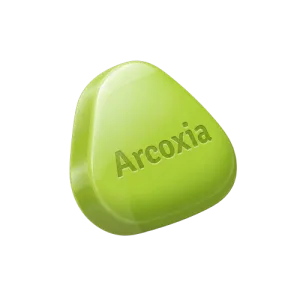
Arcoxia

Arcoxia

Quality products
24/7 Support
Fast delivery
Delivery from 4 days
Active ingredient Etoricoxib

Free delivery on orders from £ 172.00, free express delivery from £ 258.00

Etoricoxib, the active ingredient of Arcoxia, is a selective COX-2 inhibitor for inflammatory pain in adults. It is prescribed for osteoarthritis, rheumatoid arthritis, ankylosing spondylitis and acute gout attacks. By reducing prostaglandin production, it can ease pain, swelling and stiffness while avoiding some COX-1 effects associated with traditional NSAIDs.

Overview

Arcoxia is an oral medicine containing etoricoxib, a selective COX-2 inhibitor in the non-steroidal anti-inflammatory drug group. It is intended for adults with inflammatory joint disease and selected acute pain conditions.

Therapeutic indications

Arcoxia is used for several inflammatory musculoskeletal conditions. The aim is to reduce pain and stiffness so that normal movement becomes easier.

The main approved uses include:

  • Osteoarthritis, where cartilage damage leads to joint pain and stiffness.
  • Rheumatoid arthritis, an autoimmune disease causing persistent joint inflammation.
  • Ankylosing spondylitis, which affects the spine and sacroiliac joints.
  • Acute gout attacks, where urate crystals cause sudden and intense inflammation.
  • Certain short-term musculoskeletal pain conditions when prescribed for that purpose.

The medicine does not remove the underlying cause of autoimmune arthritis or gout. It controls inflammatory symptoms while the wider treatment plan addresses disease activity and prevention.

Management of chronic joint conditions

With osteoarthritis, symptom improvement may involve less pain during walking, climbing stairs or using the hands. Rheumatoid arthritis and ankylosing spondylitis can cause morning stiffness and restricted movement; reducing inflammatory pain may make daily activity more manageable.

Clinical response varies. Some people experience meaningful relief within the first days, while others need a longer assessment period. Pain relief does not prove that the joint disease has stopped progressing.

A practical detail matters here: improved movement can tempt someone to increase activity too quickly. Joints may feel better before the underlying condition has stabilised, so a sudden return to heavy exercise can worsen symptoms.

Relief of acute pain episodes

Acute gout attacks often produce severe pain, redness and swelling in one joint. Etoricoxib can reduce the inflammatory response during an attack when it is prescribed for this indication.

Condition Main symptom target Typical clinical role
Osteoarthritis Joint pain and stiffness Symptom control during daily activity
Rheumatoid arthritis or ankylosing spondylitis Persistent inflammatory pain and restricted movement Part of longer-term disease management
Acute gout Sudden severe joint pain and swelling Short-term treatment during a flare

Mechanism of action

Etoricoxib blocks the COX-2 enzyme, which becomes more active during inflammation. This reduces the formation of prostaglandins, chemical messengers involved in pain, warmth, swelling and tenderness.

Inflammation triggers arachidonic-acid pathways that produce prostaglandins. These substances sensitise pain nerves and contribute to joint swelling and stiffness. Etoricoxib inhibits COX-2, lowering prostaglandin production at inflamed tissues.

COX-2 is also present in the kidneys and blood vessels. For this reason, the medicine can influence blood pressure, fluid balance and cardiovascular risk, especially in people with hypertension, heart disease or prolonged exposure.

Reasons not to use it

  • A current stomach or intestinal ulcer or active gastrointestinal bleeding.
  • Severe liver disease or severe kidney impairment.
  • Uncontrolled high blood pressure.
  • Established heart failure, ischaemic heart disease, peripheral arterial disease or previous stroke or heart attack, where the prescriber considers the risk unacceptable.
  • A previous allergic reaction to etoricoxib, other NSAIDs or aspirin.
  • Pregnancy in the later stages, especially the third trimester.
  • Active inflammatory bowel disease when an NSAID could worsen gastrointestinal symptoms.

Important interactions include:

  • Warfarin and other anticoagulants, because bleeding risk may increase.
  • ACE inhibitors, angiotensin-receptor blockers and diuretics, which can interact with NSAIDs and worsen kidney function or blood-pressure control.
  • Lithium, because etoricoxib may increase lithium exposure.
  • Methotrexate, ciclosporin or tacrolimus, which can require kidney-function monitoring.
  • Aspirin, ibuprofen, naproxen or other NSAIDs, which can increase adverse effects.
  • Rifampicin, which may reduce etoricoxib concentrations.
  • Oral contraceptives or hormone replacement therapy, because thrombotic risk may be relevant to the clinical assessment.

When this is not for you

This medicine is not for you if you have uncontrolled high blood pressure, serious heart or circulation problems, a current ulcer or bleeding, severe kidney or liver disease, or an allergy to etoricoxib, aspirin or other NSAIDs. It may also be unsuitable during late pregnancy or when inflammatory bowel disease could worsen with an NSAID.

Tell the prescriber if you take blood thinners, lithium, water tablets, blood-pressure medicines, aspirin, ibuprofen, naproxen, methotrexate, ciclosporin, tacrolimus or rifampicin. Also mention diabetes, smoking, high cholesterol, kidney disease, ulcers and previous cardiovascular events before treatment starts.

Unwanted effects

The most common adverse effects include headache, dizziness, indigestion, stomach discomfort, nausea, swelling caused by fluid retention and increased blood pressure. Some people experience fatigue or changes in bowel habit.

Etoricoxib can raise blood pressure without causing obvious symptoms. A person may feel pain relief while their blood pressure rises, so monitoring is useful when treatment continues beyond a short course.

Possible serious reactions include:

  • Chest pain, breathlessness, sudden weakness or speech difficulty.
  • Black stools, vomiting blood or severe persistent stomach pain.
  • Marked swelling of the ankles or sudden weight gain.
  • Reduced urine output or new severe tiredness.
  • Facial swelling, wheezing, blistering rash or widespread skin peeling.
  • Yellowing of the skin or eyes, which may indicate liver injury.

Stop the medicine and seek urgent medical attention if symptoms suggest a heart attack, stroke, gastrointestinal bleeding, severe allergic reaction or serious skin reaction. The FDA prescribing information for etoricoxib-class COX-2 therapy describes cardiovascular, gastrointestinal, renal and hypersensitivity warnings [3].

One practical issue is fluid retention. Tight shoes or rings, rapid weight gain and ankle swelling can appear before breathlessness. These signs deserve prompt clinical assessment rather than being treated as an ordinary arthritis symptom.

Another detail concerns dizziness. If the first doses cause dizziness or unusual sleepiness, avoid driving, cycling on public roads or operating machinery until the effect has settled.

Formulation

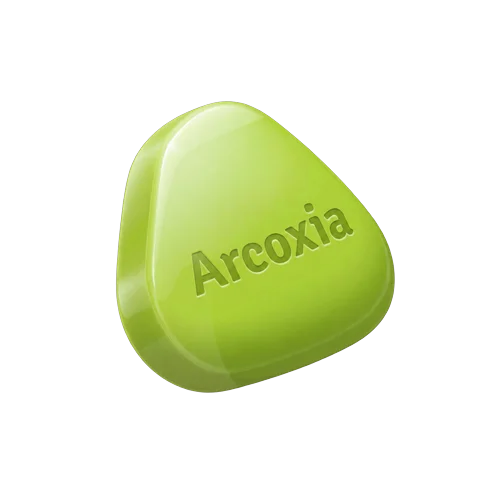
Arcoxia tablets contain etoricoxib, a selective cyclo-oxygenase-2, or COX-2, inhibitor. Etoricoxib belongs to the non-steroidal anti-inflammatory drug group, known as NSAIDs. Its action reduces inflammatory pain rather than simply masking discomfort.

The medicine is prescribed for adults with inflammatory joint disease and selected acute pain conditions. The appropriate strength and regimen must be confirmed with a healthcare professional before treatment begins.

Active ingredient properties

Etoricoxib blocks the COX-2 enzyme, which becomes more active during inflammation. This reduces the formation of prostaglandins, chemical messengers involved in pain, warmth, swelling and tenderness.

COX-2 inhibition is selective rather than broad. Traditional NSAIDs inhibit both COX-1 and COX-2 to varying degrees, while etoricoxib is designed to act more strongly on COX-2. This distinction helps explain its gastrointestinal profile, but it does not remove the possibility of ulcers, bleeding, kidney problems or cardiovascular complications.

Etoricoxib is absorbed after oral administration and reaches the bloodstream through the digestive tract. Its relatively long duration of action supports once-daily prescribing for many approved indications, although the dose and treatment length differ according to the condition.

Mechanism of action

Inflammation triggers arachidonic-acid pathways that produce prostaglandins. These substances sensitise pain nerves and contribute to joint swelling and stiffness. Etoricoxib inhibits COX-2, lowering prostaglandin production at inflamed tissues.

COX-2 is also present in the kidneys and blood vessels. For this reason, the medicine can influence blood pressure, fluid balance and cardiovascular risk, especially in people with hypertension, heart disease or prolonged exposure.

A regulatory review from the European Medicines Agency describes etoricoxib within the selective COX-2 inhibitor class and outlines dose-related cardiovascular precautions [1].

Directions for use

  • Dose: The exact strength in mg is not specified; confirm the prescribed strength with a healthcare professional before starting.
  • Frequency: Take the prescribed dose by mouth once daily unless a healthcare professional gives different instructions.
  • Timing: Swallow the tablet with water. It may be taken with or without food.
  • Duration: Use it for the period prescribed. Acute pain treatment may be limited to a short course; do not extend treatment without clinical advice.
  • Route: Oral use only; swallow the tablet rather than applying it to the skin.

Comparison

Etoricoxib is a COX-2 inhibitor, while many traditional NSAIDs inhibit COX-1 and COX-2. COX-1 helps maintain the stomach lining, platelet function and kidney blood flow. Blocking COX-1 can contribute to indigestion, ulcers and gastrointestinal bleeding.

Selective COX-2 inhibition may cause fewer stomach-related problems for some patients than non-selective NSAIDs. It still carries gastrointestinal risk, especially with a history of ulcers, older age, high doses, corticosteroids, anticoagulants or prolonged treatment.

The trade-off involves cardiovascular safety. COX-2 inhibition can increase blood pressure and fluid retention, and it may raise the risk of heart attack or stroke in susceptible patients. The EMA and WHO pharmacovigilance principles support individual cardiovascular assessment before prolonged NSAID use [2].

Feature Arcoxia with etoricoxib Traditional non-selective NSAIDs
Main enzyme profile Selective COX-2 inhibition Variable inhibition of COX-1 and COX-2
Stomach considerations May cause fewer some gastrointestinal effects, but ulcers and bleeding remain possible Greater COX-1 involvement can increase gastrointestinal irritation
Main limitation Blood pressure, fluid retention and cardiovascular concerns Gastrointestinal, kidney and cardiovascular risks

Arcoxia is not automatically preferable for every patient. A person with uncontrolled hypertension or cardiovascular disease may need a different anti-inflammatory strategy, while someone with previous ulcer complications may require careful gastrointestinal planning.

Common mistakes

Several mistakes can reduce benefit or increase harm:

  • Taking Arcoxia together with ibuprofen, naproxen or another NSAID.
  • Continuing a short acute-gout regimen for longer than prescribed.
  • Assuming the absence of stomach pain means the medicine has no serious risks.
  • Ignoring ankle swelling, rapid weight gain or rising blood pressure.
  • Taking a missed dose twice.
  • Using leftover tablets for a new episode without checking whether the symptoms have the same cause.
  • Increasing exercise sharply because the joint feels better.
  • Failing to mention anticoagulants, lithium, diuretics or blood-pressure treatment.
  • Continuing treatment during a severe rash, facial swelling, chest pain or black stools.
Keep a simple record of the dose time, pain level, blood pressure if monitored, and any swelling. This gives a prescriber useful information when deciding whether treatment should continue.

What doctors say

In clinical practice, prescribers usually assess the reason for treatment before choosing the dose. Osteoarthritis, rheumatoid arthritis, ankylosing spondylitis and acute gout have different dosing limits and different expectations.

A doctor will often review blood pressure, kidney function, previous ulcers, cardiovascular history and concurrent medicines. The same tablet can be reasonable for one adult and unsuitable for another because NSAID risk depends heavily on medical history.

The practical goal is symptom control with the lowest suitable exposure. Etoricoxib can help movement and reduce inflammatory pain, but it does not replace disease-modifying treatment for rheumatoid arthritis or urate-lowering prevention for recurrent gout.

Long-term treatment deserves review. Persistent pain despite Arcoxia may signal uncontrolled inflammation, mechanical joint damage, infection or another diagnosis rather than a need for a stronger dose.

What customers often ask

Can people under 18 use Arcoxia?

Arcoxia is generally prescribed for adults, not children or adolescents under 16 years of age. Paediatric use depends on the specific indication and is not established for routine treatment. The EMA product information current in 2026 limits approved etoricoxib indications according to age and diagnosis. A child or teenager with joint pain needs assessment rather than an adult tablet selected without supervision.

How long does an Arcoxia course last, and is long-term use acceptable?

Treatment length depends on the condition, prescribed strength and risk profile. Acute gout and other short-term indications usually require limited courses, while chronic arthritis may involve longer treatment with regular review. NICE guidance available in 2026 supports using NSAIDs at the lowest suitable dose for the shortest period that controls symptoms. Long-term use may be considered in selected adults, but blood pressure, kidney function, gastrointestinal symptoms and cardiovascular risk require periodic reassessment.

Which symptoms mean stopping Arcoxia and seeking urgent medical help?

Stop Arcoxia and seek urgent help for chest pain, severe breathlessness, one-sided weakness, fainting or new speech difficulty. Black stools, vomiting blood, severe abdominal pain, facial swelling, wheezing, blistering skin or yellowing of the eyes also require prompt attention. The MHRA safety framework in 2026 treats these symptoms as possible signs of serious cardiovascular, gastrointestinal, allergic or liver reactions. Do not take another dose while waiting for urgent medical advice unless emergency clinicians instruct you to do so.

Can older adults use Arcoxia?

Older adults may use etoricoxib when a prescriber judges that the benefits outweigh the risks. Age increases the likelihood of kidney impairment, hypertension, gastrointestinal complications and cardiovascular disease, even when symptoms are not obvious. WHO principles for NSAID prescribing in older adults, published in 2023, emphasise reviewing concurrent medicines and organ function. A lower exposure, shorter course or additional monitoring may be selected according to the individual clinical picture.

What should you do after missing an Arcoxia dose?

Take the missed tablet when remembered unless the next scheduled dose is close. If the next dose is due soon, skip the missed dose and return to the usual schedule. Never take two tablets together to make up for a missed dose. The EMA dosing information for etoricoxib reviewed in 2026 supports avoiding extra doses because increased exposure can raise blood-pressure, kidney and cardiovascular risks.

Do you offer anonymous delivery?

Your order will be securely packed and shipped within 24 hours. This is exactly what your package will look like (images of an actual item sent). It has the size and look of a regular private letter (24x11x0.7 cm) and its contents cannot be seen.

Comparison

Comparison table: Anti-inflammatory

How Buyers Rate Arcoxia

4.3
Based on 4 reviews
Harry B., 32
Edinburgh
Verified
Rating: 5 out of 5

I used Arcoxia for a painful flare that made walking uncomfortable. The stiffness eased over the next couple of days, and I could manage work and stairs more normally. I was satisfied with the improvement.

28 Oct 2026
Thomas, 40
Oxford
Verified
Rating: 5 out of 5

I took Arcoxia for inflammatory back and joint pain. Movement became easier during the first week, especially in the morning, and the relief lasted through the day. It fitted better into my routine than taking tablets several times daily.

7 Nov 2026
Robert K., 41
Cardiff
Verified
Rating: 4 out of 5

Arcoxia reduced the pain and swelling during my gout flare. I noticed the biggest difference when putting weight on the affected foot. The episode became much easier to manage after treatment started.

10 Oct 2026
Michael, 62
Exeter
Verified
Rating: 3 out of 5

The medicine helped my knee pain, but the benefit was slower than I expected and I noticed some ankle swelling. I stopped taking it and contacted my doctor, who reviewed my blood pressure and other medicines before deciding what to do next.

18 Oct 2026

Sources

  1. European Medicines Agency (2025). Summary of Product Characteristics (SmPC) — etoricoxib.
  2. World Health Organization (2023). WHO guideline for non-surgical management of chronic primary low back pain in adults.
  3. U.S. Food and Drug Administration (2024). Celebrex (celecoxib) Prescribing Information.
Get our free app Shop faster and track your orders 4.0 · 224 reviews Install