Skip to content
24/7 Support
Save up to 80%
Fast & Discreet Delivery
Prilosec

Prilosec

Quality products
24/7 Support
Fast delivery
Delivery from 4 days
Active ingredient Omeprazole

Free delivery on orders from £ 172.00, free express delivery from £ 258.00

Frequent heartburn occurs when stomach contents move upwards into the oesophagus and cause burning discomfort. It is intended for adults with recurring heartburn, while persistent or severe symptoms require medical assessment.

Overview

Prilosec contains omeprazole, a proton pump inhibitor designed to reduce stomach-acid production and provide sustained control rather than instant relief.

Prilosec contains omeprazole, which belongs to the proton pump inhibitor family. The product is supplied as capsules.

Therapeutic indications

The product is intended for frequent heartburn, often described as symptoms occurring on multiple days each week. Heartburn can include a burning feeling behind the breastbone, a sour taste, or fluid rising towards the throat.

Prilosec is intended for frequent heartburn rather than a single, occasional episode. It reduces acid production gradually and is not an instant-relief heartburn medicine.

Frequent heartburn means that repeated symptoms should not simply be covered indefinitely. If symptoms return soon after a 14-day course, occur most days, or disturb sleep repeatedly, the pattern deserves clinical review.

Mechanism of action

Omeprazole is activated in the acidic environment of the stomach and then acts on the acid-producing proton pumps within stomach-lining cells. These pumps release hydrogen ions into the stomach, where they contribute to gastric acid. Omeprazole inhibits the final stage of that process.

Proton pump inhibitors reduce acid more powerfully and for longer than medicines that only neutralise existing acid. That benefit comes with a limitation: taking extra capsules during the same day does not provide a reliable shortcut to faster relief.

The European Medicines Agency describes proton pump inhibition as a mechanism that suppresses the final common pathway of gastric-acid secretion [2].

Delayed-release capsule design

Prilosec capsules are intended to protect omeprazole from being released too early in the acidic stomach environment. The medicine needs to reach the small intestine before the active substance is released and absorbed.

Swallow the capsule as directed. Do not crush or chew delayed-release contents, because disrupting the release system can reduce protection of omeprazole and alter how the medicine reaches the stomach’s acid-producing cells.

One practical detail is easy to miss: feeling no immediate change after the first capsule does not necessarily mean the medicine has failed. Omeprazole works by reducing further acid secretion, so the benefit develops as active proton pumps are inhibited and replaced over time.

Reasons not to use it

Prilosec is not suitable for self-treatment in the following situations:

  • Previous allergic reaction to omeprazole or another proton pump inhibitor.
  • Difficulty or pain when swallowing.
  • Vomiting blood or material resembling coffee grounds.
  • Bloody stools or black, tar-like stools.
  • Unexplained weight loss.
  • Severe or persistent chest pain.
  • Repeated vomiting.
  • New heartburn after age 55.
  • Symptoms that are worsening rapidly or returning immediately after treatment.
  • Known liver disease requiring medication review.
  • Pregnancy or breastfeeding without a medicine-specific assessment.

Drug interactions

Omeprazole can affect the absorption or metabolism of other medicines. Interaction checks are needed before starting a course when regular treatment is already being taken.

  • Clopidogrel: omeprazole may reduce formation of clopidogrel’s active metabolite, potentially weakening its antiplatelet effect.
  • Warfarin: anticoagulant control may change, so monitoring may be required.
  • Diazepam: omeprazole can reduce its clearance and increase exposure.
  • Digoxin: changes in gastric acidity and other factors may affect treatment safety, especially in older adults.
  • Prescription antifungal or anti-yeast medicines: absorption of some agents depends on stomach acidity.
  • Methotrexate at high doses: clinically significant interaction has been reported with proton pump inhibitors.
  • Tacrolimus and some antiretroviral medicines: blood concentrations may change.

Do not stop an anticoagulant, antiplatelet medicine, steroid, antiseizure medicine, or heart medicine to accommodate a short heartburn course. The interaction may be managed by changing timing, selecting another acid-control treatment, monitoring blood tests, or using a different medicine.

When this is not for you

These features may indicate bleeding, narrowing of the oesophagus, ulcer disease, cardiac pain, or another condition that acid suppression alone will not address. Prilosec is NOT for you if warning symptoms, relevant interactions, or an undiagnosed persistent condition require medical assessment.

Clopidogrel deserves special attention. Someone taking it for coronary artery disease or after a stent should have the omeprazole choice reviewed before beginning treatment, rather than stopping either medicine independently.

Unwanted effects

Common unwanted effects of omeprazole include headache, abdominal discomfort, nausea, diarrhoea, constipation, and flatulence. These effects are often mild, though persistent or troublesome symptoms should be reviewed.

Less common but clinically significant problems can occur with prolonged or repeated acid suppression. These may include low magnesium, vitamin B12 deficiency, intestinal infections, kidney inflammation, and bone-fracture risk in susceptible people. The risk depends on treatment duration, dose, age, health conditions, and other medicines.

Seek urgent medical attention for swelling of the lips or throat, breathing difficulty, widespread blistering rash, fainting, severe watery diarrhoea, vomiting blood, or black stools.

One detail patients often miss is that diarrhoea during or after acid-suppressing treatment should not automatically be treated as an ordinary stomach upset. Persistent watery diarrhoea can require assessment for infection, especially after antibiotic treatment or hospital care.

Long-term proton pump inhibitor safety is addressed in clinical guidance from NICE, which supports reviewing ongoing treatment and using the lowest suitable regimen for the clinical indication [3].

Formulation

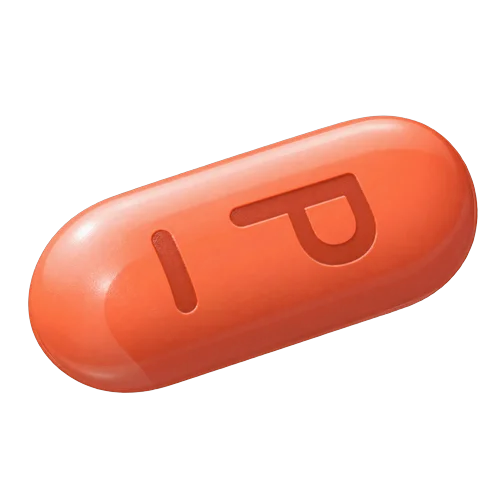
Prilosec contains omeprazole, which belongs to the proton pump inhibitor family. The product is supplied as capsules. Omeprazole reduces the amount of acid released by specialised cells in the stomach lining, helping limit acid exposure in the oesophagus.

The product is intended for frequent heartburn, often described as symptoms occurring on multiple days each week. Heartburn can include a burning feeling behind the breastbone, a sour taste, or fluid rising towards the throat. Omeprazole addresses the acid component of reflux rather than simply neutralising acid already present.

The MHRA recognises proton pump inhibitors as medicines that reduce gastric-acid secretion. Product information for omeprazole also describes its use in acid-related gastrointestinal conditions [1].

Heartburn accompanied by difficulty swallowing, food sticking in the throat, unexplained weight loss, vomiting, or black stools needs medical evaluation rather than repeated self-treatment.

A useful distinction is the difference between a stomach-acid reducer and a fast-acting antacid. Prilosec lowers new acid production over time. It is not designed to neutralise a single episode within a few minutes.

Directions for use

  • Take one daily dose before food, following the confirmed regimen.
  • Swallow the capsule without crushing or chewing it.
  • Take doses at approximately the same time each day.
  • Do not take extra capsules to compensate for slow symptom improvement.
  • Do not continue a self-care course beyond 14 days.
  • Do not begin another 14-day course more often than once every four months without medical advice.
  • If a dose is missed, take it when remembered unless the next dose is near; never double the next dose.

The 14-day limit matters. Recurrent symptoms after a complete course may reflect gastro-oesophageal reflux disease, ulcer disease, medication-related irritation, or another condition requiring diagnosis.

Taking the capsule before breakfast gives the medicine time to act before the day’s main meal stimulates acid secretion. A later daily schedule can be harder to maintain and may be less practical for consistent treatment.

People sometimes stop after one dose because the burning sensation remains. Others continue for weeks because the medicine helped. Both patterns can lead to poor self-management: the first ignores the delayed onset, while the second extends short-term self-treatment without investigating the cause.

Comparison

Antacids work differently. They neutralise acid already present in the stomach and may relieve occasional symptoms more quickly. Their effect generally lasts for a shorter period than proton pump inhibition.

Treatment approach Main purpose Clinical supervision
Prilosec self-care course Frequent heartburn Short course with defined limits
Prescription omeprazole Diagnosed acid-related disease Clinician-directed dose and duration
Antacid treatment Occasional, rapid symptom relief Usually short-term symptom control

Prilosec used for self-care is aimed at frequent heartburn. Prescription omeprazole regimens may be used for conditions that require diagnosis, follow-up, and a different treatment duration.

Prescription treatment may be considered for erosive oesophagitis, peptic ulcer disease, Helicobacter pylori eradication regimens, or excessive acid production. These conditions cannot be diagnosed from heartburn alone.

A higher dose is not automatically better. Treatment selection depends on the diagnosis, symptom pattern, other medicines, age, pregnancy status, and medical history.

Common mistakes

Several habits reduce the chance of a useful result:

  • Taking Prilosec only when burning starts instead of using the planned daily regimen.
  • Taking a second capsule because relief is not immediate.
  • Crushing or chewing delayed-release contents.
  • Continuing beyond 14 days without investigating recurring symptoms.
  • Starting another course before the recommended four-month interval.
  • Ignoring black stools, vomiting blood, or painful swallowing.
  • Forgetting to mention clopidogrel, warfarin, digoxin, diazepam, or antifungal treatment.
  • Assuming that reduced heartburn proves the underlying condition has been cured.
  • Taking the capsule at an inconsistent time and then judging the medicine after only one dose.

Large evening meals, lying down shortly after eating, smoking, and individual trigger foods can also worsen reflux. Keeping the last substantial meal several hours before lying down may help some people, while trigger foods vary from person to person.

Record when symptoms occur, what was eaten, and whether symptoms appear after lying down. A short symptom record can help identify reflux patterns and gives a clinician more useful information than simply reporting that the medicine “did not work.”

What doctors say

In clinical practice, doctors often see two opposite problems with proton pump inhibitors: people expect instant relief, or they continue self-treatment long after the original symptoms have changed. Omeprazole can be useful for frequent acid-related symptoms, but repeated courses should prompt a review of the diagnosis.

A clinician would also ask about chest pressure, swallowing difficulty, night symptoms, weight change, smoking, alcohol intake, anti-inflammatory painkillers, and medicines that can irritate the stomach. Those details help distinguish uncomplicated reflux from conditions requiring investigation.

Another practical point concerns symptom recurrence. If heartburn returns soon after a completed course, simply repeating the same regimen may delay assessment of gastro-oesophageal reflux disease or oesophageal injury. The British Society of Gastroenterology supports structured assessment when reflux symptoms persist or complications are suspected [4].

The treatment works best when the timing is consistent and the course remains within its intended limit. It cannot repair every cause of chest or upper-abdominal discomfort.

What customers often ask

Which symptoms mean stopping Prilosec and seeking urgent medical help?

Vomiting blood, black or bloody stools, severe chest pain, painful swallowing, or food becoming stuck require urgent medical assessment. Swelling of the face or throat and breathing difficulty may indicate a serious allergic reaction. The NHS and MHRA guidance from 2024 treats gastrointestinal bleeding and severe allergic symptoms as warning signs requiring prompt care [5]. Do not attempt to cover these symptoms with another capsule.

What should I do if the expected result does not come?

Allow several days for the full acid-suppressing effect rather than taking extra capsules. If symptoms remain troublesome after the 14-day course, return quickly, or occur on most days, arrange a clinical review. NICE guidance from 2022 supports reassessing persistent reflux symptoms instead of repeatedly extending short self-care courses. Check for late meals, lying down after eating, smoking, and medicines that can aggravate reflux, but do not assume lifestyle changes explain severe or progressive symptoms.

Should Prilosec be taken with food or on an empty stomach?

The usual heartburn regimen is taken before eating, with the capsule swallowed intact. Taking it before a meal allows omeprazole to be absorbed and available when meal-related acid secretion is stimulated. Product information reviewed by the EMA in 2024 describes administration instructions for omeprazole formulations, including the importance of preserving delayed release . Follow the confirmed regimen for the specific capsule strength.

How does Prilosec differ from the closest alternative by mechanism?

Prilosec uses omeprazole, a proton pump inhibitor that blocks the final stage of acid secretion. H2-receptor antagonists reduce acid through a different signalling pathway and may have a different onset and duration. Antacids work at the chemical level by neutralising acid already present. The MHRA classified these approaches separately in 2023, so the most suitable option depends on symptom frequency, severity, other medicines, and treatment history .

How soon should the effect become noticeable?

Some people notice improvement during the first day, but the full benefit can take one to four days of regular use. Prilosec is not designed to provide the immediate response associated with an antacid. Clinical information from the EMA in 2024 explains that proton pump inhibition develops through continued suppression of active acid pumps rather than instant neutralisation . Persistent symptoms after the course need assessment rather than repeated extra dosing.

Can alcohol be used while taking Prilosec?

Alcohol does not reliably cancel omeprazole’s pharmacological action, but it can worsen reflux by irritating the upper gastrointestinal tract and relaxing the lower oesophageal sphincter. Alcohol may also make it harder to recognise whether continuing chest or upper-abdominal symptoms are improving. NICE reflux guidance from 2022 recommends identifying and reducing individual triggers, including alcohol where it worsens symptoms . Avoid alcohol if it clearly provokes burning, nighttime reflux, vomiting, or stomach pain.

Do you offer anonymous delivery?

Your order will be securely packed and shipped within 24 hours. This is exactly what your package will look like (images of an actual item sent). It has the size and look of a regular private letter (24x11x0.7 cm) and its contents cannot be seen.

Comparison

Comparison table: Acid Reflux

How Buyers Rate Prilosec

3.8
Based on 5 reviews
Mark, 63
Norwich
Verified
Rating: 4 out of 5

I used the once-daily course before breakfast for frequent heartburn. By the third day, the burning after meals had settled and I could sleep without needing to sit upright. The improvement stayed steady through the rest of the course.

8 Nov 2026
Jonathan, 61
Ipswich
Verified
Rating: 3 out of 5

Prilosec reduced the reflux, but it took a few days before I noticed a proper difference. I had some mild stomach discomfort at first, which passed. It helped, though I was more careful about late meals because the medicine did not cancel out every trigger.

11 Oct 2026
Paul, 27
Swansea
Verified
Rating: 4 out of 5

I had heartburn several times a week and found the daily capsule easier than reacting to each episode separately. The symptoms became much less distracting during work, and I was pleased with the result after the first few days.

19 Oct 2026
Christopher, 32
Belfast
Two weeks
Verified
Rating: 5 out of 5

The main benefit was being able to get through meals without the burning returning later. I took it before eating and kept the course to two weeks. It was gradual rather than instant, but the difference was clear.

30 Oct 2026
Graham, 68
Cambridge
Verified
Rating: 3 out of 5

The capsules helped only partly, and the heartburn returned soon after the course ended. I also noticed bloating while taking them and stopped rather than repeating the treatment. My doctor reviewed the symptoms and medicines afterwards.

15 Oct 2026

Sources

  1. MHRA (2023). Summary of Product Characteristics (SmPC) — omeprazole.
  2. European Medicines Agency (2024). Summary of Product Characteristics (SmPC) — omeprazole.
  3. NICE (2022). Gastro-oesophageal reflux disease and dyspepsia in adults: investigation and management.
  4. British Society of Gastroenterology (2019). British Society of Gastroenterology guidelines on the diagnosis and management of Barrett’s oesophagus.
  5. NHS (2024). Omeprazole: side effects, interactions and urgent warning symptoms.
Get our free app Shop faster and track your orders 4.0 · 224 reviews Install