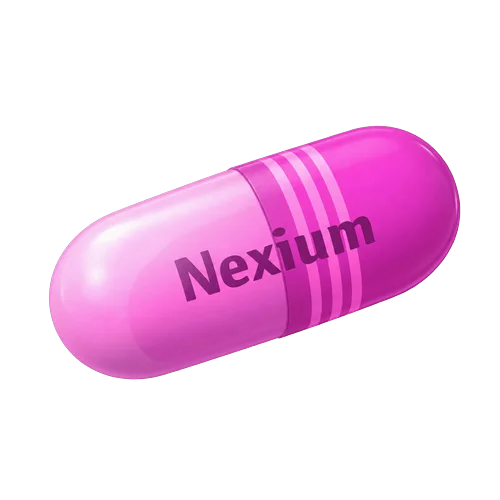
I used Nexium for frequent reflux that had been disturbing my sleep. After the first couple of weeks, the burning and night-time regurgitation were much less noticeable, and I was satisfied with the improvement.
Nexium
Nexium is used for acid-related symptoms such as heartburn and gastro-oesophageal reflux disease (GERD). Its active substance, esomeprazole, reduces stomach acid by blocking the gastric proton pump in acid-producing cells.
Overview
Nexium contains esomeprazole, supplied as esomeprazole magnesium. Esomeprazole belongs to the proton pump inhibitor (PPI) class.
Therapeutic indications
Nexium is prescribed for acid-related disorders in adults, including gastro-oesophageal reflux disease, reflux symptoms and erosive oesophagitis. Erosive oesophagitis means that repeated exposure to stomach acid has damaged the lining of the oesophagus.
Other established uses include treatment or prevention of some gastric ulcers, including ulcers associated with nonsteroidal anti-inflammatory drugs (NSAIDs), and management of conditions involving excessive acid production such as Zollinger–Ellison syndrome. The appropriate regimen depends on the diagnosis, symptom severity, treatment goal and response.
Typical clinical goals include:
- reducing frequent heartburn caused by reflux;
- healing acid-related inflammation of the oesophagus;
- maintaining healing after erosive oesophagitis;
- reducing ulcer risk in selected people using NSAIDs;
- controlling excessive acid secretion in Zollinger–Ellison syndrome;
- supporting treatment of Helicobacter pylori infection when esomeprazole is prescribed with suitable antibiotics.
Nexium may reduce symptoms before the underlying inflammation has fully healed. Feeling better does not always mean that the oesophageal lining has recovered, so treatment duration is linked to the medical indication rather than symptoms alone.
The European Medicines Agency and the U.S. Food and Drug Administration describe esomeprazole products within the PPI class and recognise their role in acid-related gastrointestinal disease [1, 5].
Mechanism of action
PPIs reduce the final stage of acid secretion inside the stomach rather than simply neutralising acid that is already present.
Esomeprazole magnesium is converted to active esomeprazole in the acidic environment of the gastric parietal cell canaliculus. The active substance then binds to the gastric hydrogen-potassium ATPase pump on the gastric parietal cell membrane. This pump exchanges hydrogen ions for potassium ions and creates gastric hydrochloric acid.
Blocking this pump lowers both resting and meal-stimulated acid secretion. Reduced acidity gives inflamed tissue in the oesophagus time to heal and decreases the frequency of acid moving upwards into the throat.
Esomeprazole is the S-isomer of omeprazole. Both medicines inhibit the proton pump, though their prescribed schedules and licensed uses can differ. The clinical purpose is controlled acid suppression, not immediate neutralisation of acid already present in the stomach.
Reasons not to use it
It should not be used by a person with a known severe allergy to esomeprazole, other substituted benzimidazoles or an excipient in the formulation.
Specific situations requiring medical review include:
- previous serious reaction to a PPI;
- severe liver impairment;
- unexplained weight loss, anaemia or gastrointestinal bleeding;
- progressive difficulty swallowing;
- recurrent vomiting;
- suspected gastric ulcer requiring investigation;
- a history of low magnesium;
- long-term use alongside medicines that can also lower magnesium;
- pregnancy or breastfeeding;
- treatment with medicines whose absorption depends strongly on stomach acidity.
Esomeprazole can inhibit CYP2C19 to a clinically relevant degree. This may alter exposure to medicines metabolised through that pathway. Concomitant use with clopidogrel requires careful review because reduced conversion of clopidogrel to its active metabolite may reduce antiplatelet activity.
Other important interaction groups include:
- methotrexate, especially high-dose regimens;
- warfarin and other medicines requiring laboratory monitoring;
- tacrolimus;
- phenytoin;
- diazepam;
- digoxin;
- rifampicin and other enzyme-inducing medicines;
- certain HIV medicines;
- St John’s wort;
- medicines whose absorption depends on an acidic stomach.
When this is not for you
Nexium may not be for you if you have a severe allergy to esomeprazole or need evaluation for unexplained bleeding, weight loss or swallowing difficulty. Speak with a healthcare professional before using it if you have severe liver problems, a history of low magnesium, are pregnant or breastfeeding, or take medicines that depend on stomach acidity for absorption.
Tell the prescriber if you take clopidogrel, warfarin, methotrexate, digoxin, St John’s wort or other regular medicines. Nexium does not remove the gastrointestinal risks of NSAIDs. It may be prescribed to reduce acid-related ulcer risk, but it does not prevent every NSAID complication, including kidney injury or cardiovascular effects.
Unwanted effects
Common adverse effects associated with esomeprazole include headache, abdominal pain, diarrhoea, constipation, flatulence, nausea and vomiting. These effects are often mild, though persistent or severe diarrhoea can require assessment because proton pump inhibitors may increase susceptibility to Clostridioides difficile infection.
Longer courses can be associated with low magnesium, vitamin B12 deficiency, reduced iron absorption in susceptible people, bone fractures in people with additional risk factors and fundic gland polyps. These outcomes are not inevitable, and the clinical relevance depends on treatment duration, dose, age, diet and other medical conditions.
Rare but serious reactions include severe allergic reactions, extensive skin blistering, drug-induced liver injury, acute tubulointerstitial nephritis and lupus-like reactions. Seek urgent medical help for facial swelling, breathing difficulty, widespread blistering, yellowing of the skin, markedly reduced urine output or severe weakness.
People taking prolonged treatment may need clinical review of whether ongoing acid suppression remains necessary. The MHRA safety information for PPIs highlights the need to recognise hypomagnesaemia and clinically significant interactions in susceptible patients [1].
One practical detail is easy to miss: a headache after starting esomeprazole may be medicine-related, but a severe or unusual headache should not automatically be attributed to the capsule. New neurological symptoms need separate assessment.
Another issue concerns rebound acid hypersecretion. After extended treatment, stopping suddenly can lead to temporary return of burning or regurgitation. Symptoms can recur. A planned reduction may be appropriate for some people, while others need continued treatment for a diagnosed condition.

Formulation
Nexium contains esomeprazole, supplied as esomeprazole magnesium. Esomeprazole belongs to the proton pump inhibitor (PPI) class.
Directions for use
How much Nexium to use and how often depends on the purpose of treatment and is agreed with a doctor or pharmacist. Regimens for reflux symptoms are different from regimens for erosive oesophagitis, ulcer prevention or Zollinger–Ellison syndrome.
Practical administration points include:
- take the capsule by mouth at the prescribed time;
- swallow it whole with water;
- take doses at regular times when continued treatment has been prescribed;
- do not double the next dose after a missed dose;
- take the missed dose when remembered unless the next scheduled dose is near;
- complete combination treatment exactly as prescribed when Nexium is used with antibiotics for H. pylori;
- do not stop prolonged treatment suddenly without confirming the plan, because acid symptoms can return.
The best time of day can depend on the regimen. Some patients are instructed to take a dose before food, while other schedules are set around the condition being treated. The prescribing instructions for the individual course take priority.
A missed dose usually does not require urgent action. Taking two doses close together can increase the chance of adverse effects without improving acid control.
Comparison
Nexium suppresses new acid production at the proton pump. Antacids work differently: they neutralise acid already present in the stomach and may provide faster, shorter relief. H2-receptor antagonists reduce acid secretion through histamine receptors, but their effect is usually less complete than proton pump inhibition for persistent reflux or erosive disease.
| Treatment category | Main action and typical role |
|---|---|
| Nexium and other PPIs | Strong, sustained reduction of acid production; used for frequent reflux, erosive oesophagitis and selected ulcer-related conditions |
| H2-receptor antagonists | Reduce acid secretion through histamine receptors; may suit intermittent or less severe symptoms |
| Antacids | Neutralise existing stomach acid; useful for short-term symptom relief but do not heal erosive oesophagitis |
Nexium is better suited to a condition requiring sustained acid suppression than to an isolated episode of mild indigestion. An antacid may act sooner for occasional symptoms, while a PPI generally requires regular dosing to achieve its full therapeutic effect.
NSAIDs such as ibuprofen, naproxen and aspirin can irritate the stomach and contribute to gastric ulcer formation. In selected patients who need continued NSAID treatment, a PPI may be prescribed to reduce acid-related injury. This decision depends on ulcer history, age, other medicines and the reason for NSAID treatment.
PPIs also have limitations. They are not instant neutralisers, and persistent symptoms despite treatment may signal another cause, including biliary disease, cardiac pain or a complication of reflux. New swallowing difficulty, vomiting blood, black stools or unexplained weight loss requires prompt medical assessment.
Common mistakes
Several everyday errors can reduce treatment benefit:
- expecting immediate relief after one capsule;
- chewing or crushing a delayed-release capsule;
- taking doses irregularly when continuous treatment was prescribed;
- doubling the next dose after forgetting one;
- using antacids to mask worsening symptoms without investigating them;
- continuing over-the-counter painkillers that aggravate the stomach;
- overlooking clopidogrel, methotrexate or herbal supplements when discussing medicines;
- stopping a long course abruptly and assuming the resulting reflux proves that the disease has permanently worsened;
- ignoring black stools, vomiting blood or progressive swallowing difficulty.
A common timing mistake is taking an additional dose because symptoms continue during the first day. Acid secretion is not always suppressed immediately, and extra capsules do not provide a reliable rescue effect.
Another mistake is assuming that protection from NSAID-related ulcers means the NSAID itself has become harmless. The anti-inflammatory medicine can still affect the kidneys, blood pressure and cardiovascular system.
What doctors say
In clinical practice, doctors generally use Nexium when acid suppression needs to last longer than the effect of an occasional antacid. The choice is based on the diagnosis, the need for healing, previous response and the risks associated with continued treatment.
A clinician will usually distinguish symptom control from disease control. Heartburn may improve before erosive oesophagitis has healed, while some people with silent reflux have little burning despite ongoing inflammation.
Treatment reviews are useful when symptoms have settled. Some patients can move to intermittent treatment, while others with severe reflux, recurrent erosive disease or a high ulcer risk need maintenance therapy. The decision should follow the original indication rather than a calendar rule.
Doctors also look for symptoms that do not fit uncomplicated reflux. Anaemia, gastrointestinal bleeding, unintentional weight loss and swallowing difficulty require investigation rather than simply increasing acid suppression.
NICE guidance recommends a structured approach to gastro-oesophageal reflux disease, including assessment of symptoms, response to treatment and the need for review when symptoms persist [2].
What customers often ask
Can Nexium affect driving, concentration or work with machinery?
Nexium does not usually impair driving or concentration, but dizziness, blurred vision or drowsiness can occur in some people. The EMA product information from 2020 advises caution until an individual knows how a medicine affects them. Avoid driving or operating machinery if these symptoms appear, especially when starting treatment or combining medicines that cause drowsiness. Alcohol and sedating medicines can make impaired alertness more likely. Seek advice if symptoms persist.
Can Nexium be used during pregnancy or breastfeeding?
Pregnancy and breastfeeding require an individual assessment of the expected benefit and possible risk. EMA product information from 2020 states that esomeprazole exposure during pregnancy should be discussed with a healthcare professional rather than managed through self-treatment. Breastfeeding decisions depend on the treatment indication, alternatives and the infant’s circumstances. Do not start, stop or extend treatment during pregnancy without a specific clinical plan.
Is Nexium suitable for people under 18?
Use in children and adolescents depends on age, diagnosis, formulation and the reason for acid suppression. NICE guidance updated in 2024 separates assessment of reflux symptoms in younger patients from adult treatment pathways. A child with repeated vomiting, poor weight gain, swallowing difficulty or persistent pain needs paediatric assessment rather than an adult regimen. Do not give an adult’s capsules to a child without a prescribed plan.
Can Nexium be combined with other medicines or supplements?
The most important combinations to review include clopidogrel, warfarin, methotrexate, tacrolimus, digoxin, phenytoin, certain HIV medicines and St John’s wort. MHRA safety information published in 2022 supports checking medicines that are metabolised by CYP2C19 or whose absorption depends on stomach acidity. NSAIDs may be used with a PPI in selected patients, but the combination still requires assessment of kidney, cardiovascular and gastrointestinal risks. A complete medicines list should be reviewed before treatment begins.
Do you offer anonymous delivery?
Your order will be securely packed and shipped within 24 hours. This is exactly what your package will look like (images of an actual item sent). It has the size and look of a regular private letter (24x11x0.7 cm) and its contents cannot be seen.
Comparison
How Buyers Rate Nexium
Nexium reduced the heartburn, but the improvement was slower than I expected. I had some stomach bloating during the first days, so I discussed whether continuing the course made sense.
The capsules helped with the sour taste and chest burning after meals. I found the benefit clearer when I took them at the same time each day, and the result was good enough for me to stay with the prescribed course.
My reflux symptoms became much easier to manage with Nexium. I no longer woke with burning in my throat several nights a week, and I was pleased that the improvement was steady rather than sudden.
Sources
- MHRA (2022). Drug Safety Update — proton pump inhibitors: risk of hypomagnesaemia
- NICE (2024). Gastro-oesophageal reflux disease and dyspepsia in adults: investigation and management