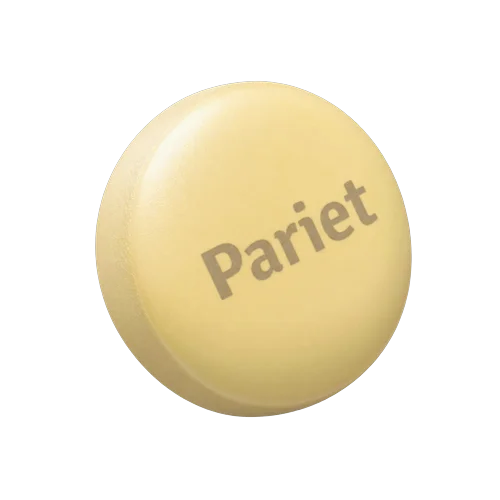
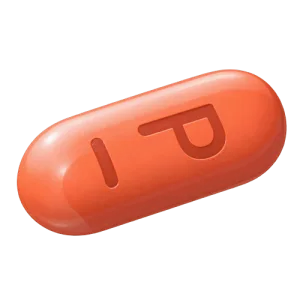
I used the prescribed Pariet tablet schedule for reflux symptoms. I took the prescribed tablet dose for two weeks. The burning after meals settled noticeably, and night-time discomfort became much less disruptive after the first part of the course. I was pleased that I could sleep through without planning around the symptoms.
Pariet
Rabeprazole sodium, the active ingredient of Pariet, belongs to the proton pump inhibitor class used for acid-related gastrointestinal disorders. Pariet tablets reduce gastric acid secretion, supporting ulcer healing and treatment plans for reflux or Helicobacter pylori infection. The correct amount and frequency depend on the condition being treated and are agreed with a doctor or pharmacist.
Overview
Pariet contains rabeprazole sodium, a proton pump inhibitor supplied as an oral tablet. Rabeprazole is designed to act inside the acid-secreting cells of the stomach, where it reduces the final stage of hydrochloric acid production.
Therapeutic indications
Pariet is used for acid-related disorders in adults when reducing gastric acid is clinically appropriate. The main uses include gastro-oesophageal reflux disease, gastric ulcers, duodenal ulcers, and selected hypersecretory conditions. Proton pump inhibitors are also used alongside antibiotics in treatment plans for H. pylori-associated ulcer disease.
A gastric ulcer affects the lining of the stomach. A duodenal ulcer affects the first part of the small intestine. Both can be influenced by gastric acid, non-steroidal anti-inflammatory drugs, and H. pylori infection. Acid suppression gives damaged mucosa a better environment for repair, while treatment of the underlying infection or medication trigger addresses the cause. Clinical follow-up helps confirm healing and address the cause of ongoing symptoms.
Chronic gastritis describes persistent inflammation of the stomach lining. Pariet may form part of the management plan when acid exposure contributes to symptoms or mucosal irritation, though the correct treatment depends on the cause. Symptoms such as recurring upper-abdominal pain, vomiting, unexplained anaemia, or black stools require clinical assessment rather than repeated self-treatment.
Pariet can be included in combination therapy for Helicobacter pylori. The regimen uses rabeprazole with antibiotics, and sometimes another antimicrobial medicine, to suppress acid while targeting the bacterium.
Acid suppression can improve the stomach environment for healing and supports the action of selected antibiotics. Pariet alone does not eradicate H. pylori. The full prescribed combination must be completed for the recommended duration, even when pain or indigestion improves early.
The exact antibiotic combination depends on local resistance patterns, previous antibiotic exposure, allergy history, and clinical guidance. The Maastricht VI/Florence Consensus Report and the American College of Gastroenterology guideline provide current frameworks for H. pylori treatment selection [2].
Mechanism of action
Rabeprazole sodium is a proton pump inhibitor. It suppresses stomach acid by blocking the hydrogen-potassium adenosine triphosphatase enzyme, commonly called the gastric proton pump, in parietal cells.
This enzyme performs the final step in acid secretion. Once rabeprazole has been activated in the acidic environment of the parietal cell, it binds to the proton pump and reduces the release of hydrogen ions into the stomach. Less acid allows irritated or ulcerated tissue to heal and reduces acid exposure in the oesophagus.
The effect is different from that of simple antacids. Antacids neutralise acid already present in the stomach, while rabeprazole reduces further acid production at its source. It also differs from H2-receptor antagonists, which block histamine-mediated stimulation of acid secretion rather than directly inhibiting the final proton pump.
Reasons not to use it
Pariet is not suitable for everyone. It should not be used by a person with a known allergy to rabeprazole, substituted benzimidazoles, or any tablet ingredient. A previous serious reaction to another proton pump inhibitor also requires clinical review before treatment.
Specific situations requiring caution include:
- Previous severe liver disease.
- Pregnancy or breastfeeding.
- Long-term use with risk factors for osteoporosis or nutrient deficiency.
- Symptoms that could indicate gastrointestinal bleeding or cancer.
- Use of medicines with absorption that depends on stomach acidity.
- Use of medicines metabolised through overlapping liver enzyme pathways.
Rabeprazole may interact with medicines such as warfarin, methotrexate at high doses, digoxin, tacrolimus, and some antiretroviral treatments. The combination with atazanavir or rilpivirine is clinically problematic because reduced stomach acidity can lower antiviral absorption. A prescriber should also know about regular supplements, especially iron or magnesium products.
When this is not for you
Pariet is NOT for you if you have unexplained black stools, vomiting blood, progressive difficulty swallowing, persistent vomiting, or unintentional weight loss without investigation. Acid suppression could reduce symptoms while the underlying condition remains undiagnosed.
Unwanted effects
Common reactions to rabeprazole can include headache, diarrhoea, constipation, abdominal discomfort, nausea, flatulence, and dizziness. Many are mild and temporary, but persistent or troublesome symptoms should be discussed with the prescriber.
Longer treatment can be associated with reduced magnesium levels, vitamin B12 deficiency, intestinal infections, and a possible increase in fracture risk in people with additional risk factors. These concerns do not mean that prescribed treatment should be stopped abruptly; they support periodic review when long-term acid suppression is required.
Seek urgent medical attention for facial swelling, breathing difficulty, extensive blistering rash, severe watery diarrhoea, vomiting blood, black stools, or sudden severe abdominal pain. These symptoms can indicate a serious reaction or a gastrointestinal complication.
Patients sometimes attribute every digestive symptom to acid. Diarrhoea during an antibiotic combination course, for example, may relate to the antibiotics rather than rabeprazole itself. The timing of symptoms helps the clinician identify the likely cause.
Formulation
Pariet contains rabeprazole sodium, a proton pump inhibitor supplied as an oral tablet. Rabeprazole is designed to act inside the acid-secreting cells of the stomach, where it reduces the final stage of hydrochloric acid production. The tablet form allows treatment through the digestive tract rather than by injection.
Pariet is used in clinical practice for acid-related conditions, including gastric and duodenal ulcer disease, gastro-oesophageal reflux, and combination treatment for Helicobacter pylori. Its regulatory information is assessed through medicines authorities such as the MHRA and the European Medicines Agency (EMA) [1].
Oral Dosage Form and Administration Design
Pariet tablets are taken by mouth. They should be swallowed as directed rather than crushed or chewed, because gastro-resistant tablet technology helps the active ingredient pass through the acidic stomach environment before release.
The amount and frequency depend on the purpose of treatment and are agreed with a doctor or pharmacist. Treatment may be short term for an acute acid-related problem or longer when a chronic condition requires continued acid suppression.
Directions for use
The correct dose of Pariet depends on the condition being treated and is agreed with a doctor or pharmacist. General administration principles include:
- Take the tablet by mouth with water.
- Swallow it whole.
- Use it at the prescribed frequency.
- Take it consistently at the agreed time.
- Do not double the next dose after a missed tablet.
- If a dose is missed, take it when remembered unless the next scheduled dose is close; in that situation, skip the missed dose and continue normally.
- Complete the full course when Pariet forms part of H. pylori treatment.
- Do not extend long-term treatment without clinical review.
Food may influence the timing instructions for some rabeprazole regimens, so follow the schedule agreed for the condition being treated. Taking the tablet at the same time each day reduces missed doses and makes symptom patterns easier to assess.
One common mistake is stopping as soon as heartburn settles. Acid-related inflammation can remain present after symptoms improve. A second mistake is taking an additional tablet for immediate relief; proton pump inhibitors are not designed to work like a rapid antacid.
Comparison
| Approach | Main action | Typical clinical role |
|---|---|---|
| Rabeprazole | Blocks the gastric proton pump | Sustained acid suppression and ulcer or reflux treatment |
| H2-receptor antagonist | Reduces histamine-driven acid secretion | Selected reflux or dyspepsia treatment |
| Antacid | Neutralises acid already present | Short-term symptom relief |
Rabeprazole may be selected when sustained acid suppression is needed for healing or control of recurrent acid exposure. An H2-receptor antagonist may suit selected patients, though tolerance can develop with repeated use. Antacids can provide quicker short-term relief but do not replace ulcer healing treatment or H. pylori eradication therapy.
The National Institute for Health and Care Excellence (NICE) places proton pump inhibitors within structured treatment pathways for reflux and dyspepsia, with treatment duration reviewed according to symptoms and clinical indication [3].
Common mistakes
- Crushing or chewing the tablet.
- Taking doses irregularly.
- Stopping during an H. pylori antibiotic course.
- Doubling a dose after forgetting one.
- Using Pariet to mask alarm symptoms.
- Taking additional acid medicines without checking for interactions.
- Assuming every episode of upper-abdominal pain is caused by excess acid.
- Continuing long-term treatment without a medication review.
- Forgetting to mention warfarin, digoxin, methotrexate, or HIV treatment.
One detail that often causes confusion is the difference between symptom control and cure. A patient may feel better while H. pylori remains present, or may have less reflux while an ulcer still needs time to heal.
What doctors say
In clinical practice, doctors usually judge Pariet by more than relief from heartburn. They assess whether the underlying condition is healing, whether symptoms return when treatment is reduced, and whether another cause such as H. pylori or regular anti-inflammatory use is present.
A doctor would usually explain that rabeprazole controls acid production but does not remove every cause of indigestion. Persistent symptoms may reflect delayed stomach emptying, bile reflux, gallbladder disease, functional dyspepsia, or another gastrointestinal disorder.
For long-term treatment, clinicians often review whether the same dose remains necessary. The aim is to maintain control with the lowest suitable exposure, while avoiding repeated unsupervised changes. FDA prescribing information describes rabeprazole’s approved uses, administration principles, adverse reactions, and interaction warnings [4].
What customers often ask
What should I do if the expected result does not come?
Persistent symptoms after starting Pariet should be reviewed rather than treated by taking extra tablets. The MHRA rabeprazole Summary of Product Characteristics (SmPC), revised in 2024, provides information on indications, adverse reactions, and treatment suitability. Causes such as H. pylori, continued anti-inflammatory use, incorrect timing, or a non-acid gastrointestinal disorder may need assessment. Urgent review is needed for bleeding, progressive swallowing difficulty, repeated vomiting, or unexplained weight loss.
Which diet, exercise, or habits can help or hinder the result?
Smaller meals, avoiding personal trigger foods, limiting alcohol, stopping smoking, and allowing time between the evening meal and lying down may reduce reflux symptoms. NICE guideline CG184 (2022) supports lifestyle measures alongside medicine when reflux or dyspepsia symptoms are present. Heavy meals close to bedtime can hinder symptom control, while gradual weight reduction may help people whose reflux is worsened by excess abdominal pressure. Lifestyle measures support treatment but do not replace antibiotics when H. pylori eradication is prescribed.
Can Pariet be used during pregnancy or breastfeeding?
Pregnancy and breastfeeding require an individual risk assessment before rabeprazole is used. The FDA AcipHex prescribing information (2023) describes pregnancy and lactation considerations when rabeprazole treatment is required. Do not start, stop, or switch treatment during pregnancy without a clinician’s specific plan. Severe vomiting, bleeding symptoms, or dehydration during pregnancy require prompt medical care.
Is Pariet suitable for people under 18?
Use in children and adolescents depends on the exact indication, age, formulation, and specialist guidance. The MHRA rabeprazole Summary of Product Characteristics (SmPC), revised in 2024, should be followed for licensed uses and age restrictions. Adult treatment schedules should not be transferred to a child. A child with recurrent abdominal pain, vomiting, poor growth, or swallowing difficulty needs assessment rather than unsupervised acid suppression.
Which condition rules out Pariet?
A known serious allergy to rabeprazole, substituted benzimidazoles, or an excipient rules out treatment. FDA prescribing information from 2023 identifies hypersensitivity as a contraindication and describes clinically relevant warnings. Pariet is also inappropriate as a substitute for urgent investigation when gastrointestinal bleeding, severe abdominal pain, or progressive swallowing difficulty is present. These symptoms require medical assessment before acid suppression is continued.
How soon can the effect become noticeable?
Some people notice less heartburn within the early part of treatment, while ulcer healing and control of inflammation take longer. The FDA AcipHex prescribing information (2023) describes dosing according to the underlying acid-related condition rather than a single universal onset time. Lack of improvement may reflect the diagnosis, adherence, H. pylori, or another medicine affecting symptoms. Do not increase the amount independently when relief is slower than expected.
What is the best time of day to take Pariet?
The best time depends on the prescribed regimen and the condition being treated. NICE guideline CG184 (2022) supports taking acid-suppressing treatment according to the regimen selected for the individual, with consistent timing helping adherence. Some schedules are linked to meals, while others are taken at a different agreed time. Use one regular daily routine and swallow the tablet whole with water.
Do you offer anonymous delivery?
Your order will be securely packed and shipped within 24 hours. This is exactly what your package will look like (images of an actual item sent). It has the size and look of a regular private letter (24x11x0.7 cm) and its contents cannot be seen.
Comparison
How Buyers Rate Pariet
I took the prescribed tablet dose for two weeks. Pariet gave me clear relief from the upper-stomach discomfort I had been getting most mornings. I took the tablets with water and kept the timing consistent. The improvement was gradual, but by the end of the course I felt much more comfortable eating ordinary meals.
I took the prescribed tablet dose for two weeks. The treatment reduced my acid symptoms, though the benefit was slower than I expected. I had some loose stools during the course and discussed it with my doctor because antibiotics were included. The stomach pain improved, but the experience was not completely straightforward.
I took the prescribed tablet dose for four weeks. Pariet helped with the burning, but I still had occasional bloating and needed more time before the result felt reliable. I missed one tablet and did not double the next dose. The partial improvement was useful, although I needed a review of the wider treatment plan.
I took the prescribed tablet dose for two weeks. I took Pariet as prescribed for recurring reflux and found that meals became easier to manage. The improvement was not instant, yet the night symptoms eased and I was satisfied with the result. Keeping the tablets beside my morning water made it easier to remember them.
Sources
- MHRA (2024). Summary of Product Characteristics (SmPC) — rabeprazole sodium
- Malfertheiner, P., et al. (2022). Management of Helicobacter pylori infection: the Maastricht VI/Florence Consensus Report
- NICE (2022). Gastro-oesophageal reflux disease and dyspepsia in adults: investigation and management (CG184)
- FDA (2023). AcipHex (rabeprazole sodium) delayed-release tablets prescribing information