Skip to content
24/7 Support
Save up to 80%
Fast & Discreet Delivery
Tizanidine

Tizanidine

Quality products
24/7 Support
Fast delivery
Delivery from 4 days
Active ingredient Tizanidine

Free delivery on orders from £ 172.00, free express delivery from £ 258.00

Muscle spasticity from neurological conditions can cause painful stiffness, restricted movement and involuntary spasms. It can lessen spasticity, but sedation and low blood pressure require careful individual dosing.

Overview

Tizanidine is a centrally acting muscle relaxant used for painful muscle spasms and spasticity associated with neurological disorders. The active substance acts as an alpha-2 adrenergic agonist in the central nervous system.

Therapeutic indications

Tizanidine is a centrally acting muscle relaxant used for painful muscle spasms and spasticity associated with neurological disorders. Clinicians may consider it when increased muscle tone affects movement, sleep, physiotherapy or daily activities. Common clinical contexts include spasticity related to multiple sclerosis and spinal cord disorders.

Mechanism of action

Spasticity involves excessive muscle tone caused by abnormal signals travelling through the brain and spinal cord. Tizanidine reduces the strength of these signals by stimulating central alpha-2 receptors. Its main effect is a reduction in nerve-mediated muscle contraction.

The medicine acts within the central nervous system rather than directly at the neuromuscular junction. This helps explain both its clinical benefit and its common unwanted effects, such as drowsiness, dizziness and reduced alertness.

Tizanidine is different from anti-inflammatory painkillers. It does not primarily reduce inflammation or repair a muscle injury. Its role is to reduce excessive muscle activity when spasms or increased tone are linked to neurological pathways.

The active substance acts as an alpha-2 adrenergic agonist in the central nervous system. This reduces the release of excitatory neurotransmitters involved in spinal reflexes. The result is reduced polysynaptic reflex activity, which can relax skeletal muscles without directly paralysing the muscle itself [1].

Reasons not to use it

Tizanidine is not suitable for everyone. It should not be used with strong CYP1A2 inhibitors such as ciprofloxacin or fluvoxamine because the interaction can cause dangerous hypotension and sedation.

  • A serious allergic reaction to tizanidine.
  • Concomitant use of a contraindicated strong CYP1A2 inhibitor.
  • Severe liver disease unless a specialist has made a specific treatment decision.
  • Repeated fainting, very low blood pressure or clinically significant bradycardia that could worsen with treatment.

When this is not for you

This medicine is not for you if:

  • You have had a serious allergic reaction to tizanidine.
  • You are taking a contraindicated strong CYP1A2 inhibitor.
  • You have severe liver disease unless a specialist has made a specific treatment decision.
  • You have repeated fainting, very low blood pressure or clinically significant bradycardia that could worsen with treatment.
  • You cannot avoid alcohol or other sedating substances during treatment.
  • You need to drive, work at height or operate machinery immediately after dosing and cannot tolerate reduced alertness.

People with liver impairment require special caution because tizanidine is extensively metabolised by the liver. Baseline liver function tests may be appropriate, with repeat testing if treatment continues, the dose rises or symptoms suggest liver injury. Dark urine, pale stools, yellow skin, unusual itching or persistent nausea require prompt medical assessment.

Kidney impairment can also increase exposure and prolong the medicine’s effects. Older adults may be more vulnerable to dizziness, falls, confusion and low blood pressure.

Pregnancy and breastfeeding require an individual risk assessment. Tizanidine should not be started casually during pregnancy, and the prescriber needs to know about pregnancy, planned pregnancy or breastfeeding before treatment begins. The FDA product information describes hepatic, cardiovascular and central nervous system precautions that influence patient selection [4].

Unwanted effects

Tizanidine commonly causes drowsiness, somnolence, dizziness, dry mouth, weakness and a fall in blood pressure. These effects relate to its central alpha-2 activity and may be more noticeable when treatment begins or after a dose increase.

In clinical practice, sleepiness is often the side effect that determines whether a person can use the medicine during working hours. Some people find that it becomes less intrusive after the first few treatment days, while others remain sensitive throughout treatment.

Possible reactions include:

  • Drowsiness or somnolence
  • Dizziness or light-headedness
  • Dry mouth
  • Fatigue and reduced muscle strength
  • Nausea or stomach discomfort
  • Slow heart rate
  • Low blood pressure, including dizziness when standing
  • Confusion or hallucinations, which require prompt medical assessment
  • Abnormal liver tests or liver injury, which require medical review

Do not drive, cycle in traffic or operate heavy machinery until the effect of the prescribed dose is clear. Alcohol, sleeping tablets, opioid painkillers and sedating antihistamines can make impaired alertness more severe.

A dry mouth can be uncomfortable. Sugar-free gum or regular sips of water may help, but persistent dryness can increase dental problems. Severe faintness, collapse, breathing difficulty, swelling of the face or yellowing of the skin requires urgent medical attention.

Stand up slowly after sitting or lying down, especially during the first few days. A brief pause at the edge of the bed can reduce the chance of a fall caused by postural dizziness.

Formulation

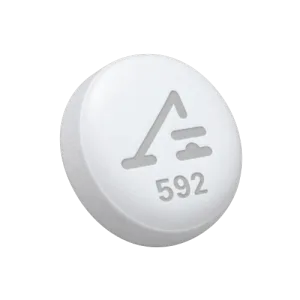
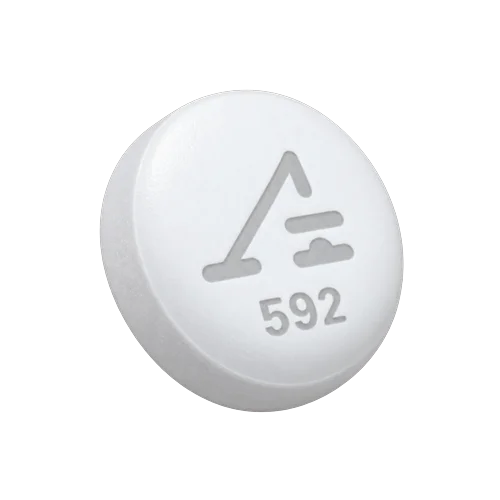
Tizanidine is supplied as oral tablets containing tizanidine. The dose is decided individually, taking age, other medicines and health conditions into account.

Directions for use

Tizanidine tablets are intended for oral use. The dose is decided individually, taking age, other medicines and health conditions into account. Treatment is commonly adjusted gradually because the same dose may produce very different levels of sleepiness or dizziness in different people.

The first doses can feel stronger than expected. Plan the initial treatment period around activities that do not require driving, climbing or rapid reactions.

The key principles are:

  • The starting dose is selected cautiously.
  • The dose may be increased in stages when necessary.
  • The interval between doses is chosen to balance symptom control with sedation.
  • Liver function, kidney function, age and concurrent medicines influence dose selection.
  • A missed dose should not be replaced with an extra dose.
  • Abruptly stopping prolonged or high-dose treatment may cause rebound symptoms, including increased blood pressure and rapid heart rate.

The Food and Drug Administration prescribing information describes careful dose adjustment because excessive exposure can cause marked hypotension, bradycardia and central nervous system depression [2].

Titration and Administration

Tizanidine tablets are taken by mouth. Food can alter the absorption of some tizanidine formulations, so the medicine should be taken consistently in relation to meals. Taking it with food on one occasion and without food on another can make the clinical effect feel less predictable.

Choose one routine for meals and keep it consistent. A sudden change from taking the tablet after food to taking it while fasting can alter how strongly the dose is felt.

Do not double the next dose after a missed tablet. If the next scheduled dose is close, the missed dose is generally skipped rather than taken alongside it. A pharmacist or prescriber can provide the correct missed-dose instruction for the individual regimen.

Comparison

The best option depends on the cause of spasticity, the treatment goal, kidney and liver function, daytime alertness and other medicines. No muscle relaxant is ideal for every patient.

Treatment category Main clinical position Key limitation
Tizanidine Central alpha-2 agonist for muscle spasticity and spasms Drowsiness, low blood pressure and liver-related precautions
Baclofen GABA-B agonist commonly used for neurological spasticity Weakness, sedation and withdrawal problems if stopped abruptly
Cyclobenzaprine Centrally acting option mainly used for short-term acute muscle spasm Anticholinergic effects and limited value for chronic neurological spasticity
Metaxalone Centrally acting muscle relaxant used for selected painful muscle conditions Sedation and liver-related caution
Diazepam GABA-A modulator with muscle-relaxant activity Dependence, tolerance, falls and prolonged sedation

Baclofen may be preferred when spasticity is persistent and clearly related to spinal or brain disease. Tizanidine may be selected when reducing muscle tone is useful but a different mechanism from baclofen is desired. Cyclobenzaprine and metaxalone are more commonly considered for acute musculoskeletal spasm than for long-term neurological spasticity.

Diazepam can relax muscle but carries risks that make long-term use unsuitable for many people. Valium is a brand name for diazepam, and the same concerns about dependence and impaired alertness apply to its active substance.

Chlorzoxazone is another centrally acting option, though liver safety and sedation still matter. The European Medicines Agency and national regulators assess medicines according to their indications, risks and approved formulations; treatment selection remains condition-specific rather than based on a single universal ranking [3].

Common mistakes

Several practical errors can reduce benefit or increase risk:

  • Taking an extra tablet because the first dose has not worked quickly.
  • Changing between fed and fasting administration.
  • Combining the medicine with alcohol or an unreported sleep aid.
  • Driving before the sedative effect is understood.
  • Stopping suddenly after regular use.
  • Assuming a lower blood pressure reading is harmless when dizziness or fainting is present.
  • Forgetting to mention ciprofloxacin, fluvoxamine, cimetidine or other interacting medicines.
  • Treating a missed dose by taking two tablets together.
  • Ignoring yellowing skin, dark urine or persistent severe nausea.
  • Sharing tablets with someone who has a similar muscle problem.

One easily missed detail is that dizziness may appear when standing rather than while sitting. Another is that a person can feel mentally alert while still having slower reactions, which matters for driving and machinery.

What doctors say

Doctors usually aim for the lowest dose that reduces disabling spasms without causing unacceptable sleepiness or weakness. A useful response is measured by practical improvements, such as easier transfers, better sleep, less painful spasm or improved physiotherapy participation.

The treatment may need adjustment when symptoms change. A dose that is tolerable at night may be too sedating during the day. Some patients benefit from carefully timed doses, while others need a different muscle-relaxant strategy because low blood pressure limits treatment.

A clinician will usually ask about falls, fainting, daytime concentration, alcohol intake, driving and other sedatives. Liver and kidney health also influence follow-up. Sudden withdrawal after regular higher-dose treatment can be hazardous, so tapering may be needed rather than an abrupt stop.

What customers often ask

Which symptoms mean stopping Tizanidine and seeking urgent medical help?

Urgent symptoms include fainting, severe weakness, breathing difficulty, facial swelling, widespread rash, confusion, hallucinations or an unusually slow heartbeat. Yellow skin, dark urine, pale stools or severe persistent nausea may indicate liver injury and need prompt assessment. Do not take another dose after a serious suspected reaction until urgent clinical advice has been obtained. The FDA prescribing information (2013) identifies severe hypotension, bradycardia, central nervous system depression and liver injury as important risks.

How long does one dose of Tizanidine keep working?

The duration varies with the dose, formulation, liver and kidney function, age and other medicines. Tizanidine is relatively short-acting compared with some longer-lasting muscle relaxants, so clinicians may divide treatment across the day when clinically appropriate. Sedation can last longer than the perceived muscle-relaxing benefit in sensitive people. Pharmacokinetic information in the FDA label (2013) supports individual timing and cautious adjustment rather than assuming that every dose has the same duration.

Which diet, exercise or habits help or hinder the result?

Consistent meal timing can help because food may change the absorption of some tizanidine formulations. Alcohol can worsen drowsiness, dizziness and low blood pressure, so avoiding it is prudent during treatment. Gentle stretching and prescribed physiotherapy may support mobility, while sudden strenuous exercise can aggravate an underlying spasm disorder. NICE rehabilitation principles (2022) support combining medicine with condition-appropriate movement rather than relying on a muscle relaxant alone.

How does Tizanidine differ from baclofen?

Tizanidine stimulates central alpha-2 receptors and reduces polysynaptic spinal reflex activity. Baclofen acts mainly as a GABA-B receptor agonist and is widely used for neurological spasticity. Both can cause sleepiness and weakness, while Tizanidine is also associated with low blood pressure and liver-related monitoring; baclofen requires attention to kidney function and withdrawal risk. The choice depends on the source of spasticity, functional goals, concurrent treatment and tolerability. The FDA label (2013) and NICE guidance (2022) describe treatment selection according to clinical factors and patient response.

Do you offer anonymous delivery?

Your order will be securely packed and shipped within 24 hours. This is exactly what your package will look like (images of an actual item sent). It has the size and look of a regular private letter (24x11x0.7 cm) and its contents cannot be seen.

Comparison

Comparison table: Muscle Relaxants

Storage and Safe Disposal Protocols

Keep a written list of every medicine and supplement being used. This is especially useful when a new prescriber considers antibiotics, antidepressants, sedatives or blood-pressure treatment.

How Buyers Rate Tizanidine

4.3
Based on 4 reviews
Colin, 38
Norwich
Verified
Rating: 5 out of 5

I used the tablets for evening spasms in my legs. Within the first week, the tightness disturbed my sleep much less, and getting comfortable in bed became easier. I was pleased with the improvement.

1 Nov 2026
Ian, 44
Derby
Verified
Rating: 4 out of 5

Tizanidine reduced the painful muscle tightening in my back and made walking after work more manageable. I took it as prescribed and found the benefit became clearer after several days. It fitted well into my evening routine.

7 Nov 2026
Stephen, 30
Leeds
Verified
Rating: 3 out of 5

The spasms eased, but the first few doses made me very sleepy and a little light-headed. The benefit was real, although I needed to be careful about when I took it and avoided driving until I knew how it affected me.

10 Oct 2026
Ben, 33
Sheffield
Verified
Rating: 5 out of 5

The tablets helped with the stiffness after neurological flare-ups. I noticed fewer sudden spasms at night and could move around the house more comfortably. The main benefit for me was being able to sleep without the muscles repeatedly tightening.

16 Oct 2026

Sources

  1. U.S. Food and Drug Administration (2013). Zanaflex (tizanidine hydrochloride) Prescribing Information.
  2. U.S. Food and Drug Administration (2013). Tizanidine prescribing information.
  3. National Institute for Health and Care Excellence (2022). Multiple sclerosis in adults: management.
  4. European Medicines Agency (2018). Guideline on clinical investigation of medicinal products for the treatment of spasticity.
Get our free app Shop faster and track your orders 4.0 · 224 reviews Install