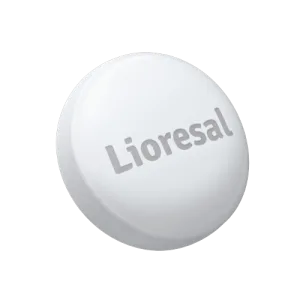
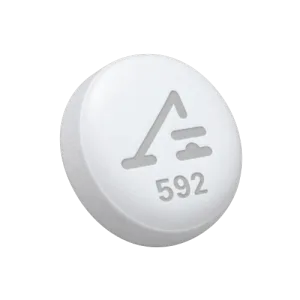
I used Baclofen for leg spasms linked to my neurological condition. After a few weeks, the night-time tightening was much less disruptive and getting out of bed became easier. I was pleased with the improvement.
Baclofen
Patients with multiple sclerosis, spinal disease, brain disease, or another neurological condition causing persistent muscle tightness may be prescribed Baclofen. It reduces excessive nerve signalling through GABAB receptors, helping relieve spasticity and painful muscle spasms. Drowsiness, dizziness, weakness, and sedation are important limitations.
Overview
Baclofen is a centrally acting antispastic medicine used mainly for skeletal muscle spasticity. Spasticity means involuntary, persistent muscle tightness caused by abnormal nerve signals. It belongs to the centrally acting muscle relaxant class and acts as a GABA-B agonist.
Therapeutic indications
Baclofen Uses and Therapeutic Role
Baclofen is commonly considered when increased muscle tone is associated with:
- Multiple sclerosis
- Spinal disease or spinal cord injury
- Brain disease, including conditions causing long-term neurological impairment
- Painful or sustained muscle spasms linked to neurological damage
It manages muscle stiffness and spasms. It does not repair the underlying neurological disease. The useful dose is the one that reduces spasms without causing excessive weakness, sleepiness, or loss of coordination. UK prescribing information describes baclofen as a GABA-B agonist used to reduce spasticity from neurological conditions [1].
Clinical Conditions Associated with Spasticity
Multiple sclerosis can produce stiff legs, sudden spasms, painful flexor spasms, and difficulty moving. Spinal disease may cause increased tone below the affected area, while brain disease can produce stiffness on one side of the body or in several limbs.
Treatment aims to improve function, not remove every muscle contraction. Some muscle tone can help a person stand or transfer safely, so excessive dose escalation may make movement harder rather than easier.
Specialist Neurological Uses
Facial nerve pain and abnormal movements of the face muscles and tongue require specialist assessment. Baclofen may be considered in selected neurological presentations, but these are not routine self-treatment indications.
A neurologist may need to distinguish spasticity from dystonia, seizures, facial neuropathy, medication effects, or another movement disorder. The diagnosis determines whether baclofen is suitable and how treatment should be monitored.
Mechanism of action
Mechanism of Action of Baclofen
Baclofen acts as an agonist at the GABAB receptor. An agonist activates a receptor. In this case, activation reduces the release of excitatory neurotransmitters in parts of the brain and spinal cord involved in muscle tone.
The result is less excessive signalling to skeletal muscles. Spasms may become less frequent, painful, or forceful, and sustained muscle stiffness may ease. The same central nervous system action can also produce unwanted sedation, slower reactions, dizziness, and weakness.
GABAB Receptor Signalling
The GABAB receptor works like a braking system for overactive nerve transmission. Baclofen strengthens this braking signal in neural pathways that contribute to abnormal muscle contraction.
This mechanism explains why baclofen is useful for neurological spasticity rather than every type of muscular pain. A pulled muscle, inflammatory joint pain, or ordinary exercise soreness does not automatically respond to a GABAB medicine.
The WHO Anatomical Therapeutic Chemical classification places baclofen among centrally acting muscle relaxants, while pharmacological reviews describe its primary action through GABAB receptors [2].
Spasticity Relief and Central Nervous System Effects
Reduced muscle tone can improve comfort and mobility. Sedation can appear at the same time, especially after starting treatment, increasing the dose, or combining baclofen with another sedating substance.
Baclofen can impair coordination. Avoid driving, cycling on public roads, or operating machinery until the individual response is clear. Alcohol, opioid painkillers, benzodiazepines, sleeping medicines, and other central nervous system depressants can intensify drowsiness and breathing problems.
Reasons not to use it
Contraindications, Interactions and Patient Precautions
A known allergy to baclofen is a clear contraindication.
Medical Conditions Requiring Review
Extra caution is required with:
- Kidney disease or dialysis
- A history of seizures
- Respiratory disease or reduced breathing reserve
- Sleep-related breathing disorders
- Frailty or recurrent falls
- Pregnancy or plans to become pregnant
- Breastfeeding
- A history of confusion or severe sensitivity to sedating medicines
Central Nervous System Depressant Interactions
The following can add to baclofen-related sedation or respiratory depression:
- Alcohol
- Opioid painkillers
- Benzodiazepines
- Sleeping medicines
- Sedating antihistamines
- Other centrally acting muscle relaxants
- Medicines that reduce alertness or breathing
When this is not for you
Baclofen may not be for you if a prescriber identifies an allergy, unsafe sedation risk, or another contraindication. Kidney impairment can make usual doses accumulate. Pregnancy and breastfeeding decisions depend on the clinical need, treatment stage, and infant exposure.
A prescription muscle relaxant is not automatically safe with alcohol or an opioid. The combination may cause profound sleepiness, falls, impaired breathing, or loss of consciousness.
Unwanted effects
Side Effects and Serious Risks of Baclofen
Common tolerability problems include drowsiness, sedation, dizziness, fatigue, weakness, nausea, and vertigo. These effects may be more noticeable during initiation or after a dose increase. NHS safety information and UK prescribing data identify central nervous system depression as a significant risk of baclofen treatment [3].
Common Tolerability Effects
Drowsiness and fatigue can affect concentration. Dizziness may become worse when standing quickly, especially in people who already have balance problems. Weakness can reduce the benefit of treatment if it interferes with walking or transfers.
Practical measures include:
- Rise slowly from a chair or bed.
- Use support on stairs if unsteady.
- Avoid driving until the response is known.
- Report repeated falls or persistent weakness.
- Avoid alcohol while sedation or dizziness is present.
Baclofen can cause back pain or other symptoms that need assessment rather than automatic attribution to the medicine. Persistent or worsening symptoms deserve review.
Neuropsychiatric and Sleep Effects
Hallucinations, marked confusion, unusual behaviour, and insomnia are not typical reasons to continue adjusting the medicine without review. They may reflect excessive exposure, withdrawal, a drug interaction, or the underlying neurological illness.
Contact the prescribing service promptly if hallucinations, severe agitation, major sleep disruption, or new confusion develops. The risk rises when baclofen is combined with opioid medicines, benzodiazepines, alcohol, or other sedatives.
Overdose and Respiratory Depression
Severe sedation, inability to stay awake, slow or shallow breathing, loss of consciousness, or coma may indicate overdose or a dangerous combination. The person may appear unusually limp or impossible to wake.
Call 999 in the UK for unconsciousness, severe breathing difficulty, or suspected overdose. Do not give food, drink, or another medicine to an unconscious person.
Formulation
Baclofen is a centrally acting antispastic medicine and GABA-B agonist used to reduce abnormal nerve signalling, muscle tightness, and painful spasms associated with neurological conditions.
Directions for use
Baclofen Dosage and Safe Use
How much Baclofen to use and how often depends on the purpose of treatment and is agreed with a doctor or pharmacist. Oral treatment is commonly introduced at a low dose and increased gradually, allowing the prescriber to balance spasm control against sedation and weakness.
Oral Administration and Dose Titration
Baclofen tablets are swallowed by mouth. The prescriber determines the dose, timing, number of daily doses, and duration according to the condition, kidney function, age, response, and side effects.
Key administration principles include:
- Take each dose at the prescribed time.
- Swallow tablets as directed by the prescriber.
- Do not increase the dose independently.
- Do not take extra tablets to compensate for a missed dose.
- Do not share Baclofen with another person.
- Treat oral tablets and oral liquid as different formulations; liquid doses require accurate measurement with the supplied oral syringe when applicable.
Gradual titration reduces the chance of sudden sedation, weakness, and poor coordination. The UK product information also distinguishes oral treatment from intrathecal baclofen delivered through a specialist pump.
Kidney Function and Treatment Monitoring
The kidneys remove baclofen from the body. Kidney impairment can allow the medicine to accumulate, making a standard dose excessive. Dose selection requires extra care in chronic kidney disease, dialysis, older age, frailty, or reduced physical reserve.
Monitoring should include:
- Alertness during the day
- Muscle strength and ability to transfer
- Breathing, especially during sleep
- Falls or new unsteadiness
- Spasm frequency and severity
- Practical improvement in movement or personal care
A person may need less baclofen after a change in kidney function, reduced mobility, or the addition of another sedating medicine.
Missed Doses and Withdrawal Prevention
If a dose is missed, take the next dose according to the prescribed schedule unless a prescriber or pharmacist gives different instructions. Do not double the next dose.
Sudden cessation can cause rebound spasticity, agitation, confusion, hallucinations, seizures, fever, or a dangerous rise in muscle activity. Withdrawal can be an emergency, especially after high-dose treatment or intrathecal therapy.
Comparison
Baclofen Compared with Other Medicines
Treatment choice depends on the diagnosis, pattern of spasticity, kidney and liver function, sedation risk, other medicines, and expected duration of use.
| Medicine or class | Main clinical distinction |
|---|---|
| Baclofen | GABAB agonist used mainly for neurological spasticity; kidney function and withdrawal risk require attention |
| Tizanidine | Centrally acting antispastic medicine; hypotension, sedation, and liver-related monitoring may matter |
| Diazepam | Benzodiazepine with sedative and muscle-relaxant effects; dependence and withdrawal concerns limit long-term use |
Baclofen and Tizanidine
Tizanidine is the closest pharmacological comparison because both medicines can reduce abnormal muscle tone through central nervous system pathways. Tizanidine may cause low blood pressure, dizziness, and sedation, and liver-related monitoring can be relevant.
Baclofen requires special attention to kidney function and gradual withdrawal prevention. Neither medicine is automatically better. The best choice depends on the cause of spasticity and the person’s response.
Baclofen and Other Muscle Relaxants
Diazepam can reduce muscle spasm but brings dependence, tolerance, withdrawal, and sedation concerns. These medicines are not interchangeable with Baclofen for multiple sclerosis or spinal cord-related spasticity.
Baclofen and Lyrica
Combined use requires prescriber-led assessment. The combination may be clinically appropriate in selected cases, but extra sedation and falls are important risks.
Common mistakes
Common Patient Mistakes
Several preventable errors can produce poor results:
- Doubling the next dose after forgetting one
- Stopping Baclofen suddenly because spasms have improved
- Mixing Baclofen with alcohol or opioid painkillers
- Driving before knowing the effect on alertness and coordination
- Increasing the dose to control one difficult evening without instruction
- Measuring liquid with a household teaspoon
- Assuming less muscle tone is always better
- Treating facial pain or abnormal tongue movements without a neurological diagnosis
Do not double it. A missed dose should not trigger a catch-up dose.
Liquid doses need accurate measurement. A household spoon can hold substantially more or less than the intended volume, while an oral syringe provides a more reliable measurement.
Sudden withdrawal can be dangerous. This risk is easy to underestimate when a person feels well and believes the medicine is no longer necessary.
What doctors say
Doctor Perspectives
In clinical practice, the main trade-off is spasm control versus excessive central nervous system depression. A useful response should make movement, sleep, transfers, or personal care easier without causing disabling weakness.
Prescribers often adjust baclofen gradually because the dose-response relationship is individual. A person may report fewer spasms but also struggle to stand, feel unusually sleepy, or lose confidence walking. Those details are as relevant as the spasm count.
The MHRA, EMA, and NICE emphasise careful prescribing where renal impairment, sedatives, alcohol-use disorder, or abrupt treatment interruption may increase harm. Function should be reviewed, not just muscle tone.
What customers often ask
Does Baclofen cause drowsiness?
Yes. Drowsiness, sedation, dizziness, fatigue, and weakness are recognised effects of Baclofen. UK information from the MHRA in 2025 supports caution with driving, alcohol, opioids, benzodiazepines, and other sedatives. Severe sleepiness, slow breathing, or difficulty waking requires emergency help. Driving should wait until alertness and coordination are unaffected.
Can Baclofen tablets be split, crushed, or chewed?
The tablet should be handled according to the specific product instructions given by the prescriber or pharmacist. MHRA product information from 2025 distinguishes ordinary oral tablets from other formulations, so a tablet should not be crushed or substituted casually. Modified-release or specially formulated products may behave differently when altered.
Can Baclofen be taken with food?
Baclofen may be taken with food if that is how the prescriber has instructed it. NHS information from 2025 advises keeping administration consistent, because changing the routine can make it harder to judge benefit and side effects. Food does not remove the risks of sedation, impaired coordination, or alcohol interaction.
What should happen if the expected result does not come?
Persistent spasticity may reflect an insufficient dose, an incorrect treatment target, progression of multiple sclerosis or spinal disease, or another cause of muscle overactivity. NICE guidance from 2022 supports review of function, spasms, strength, kidney function, and interacting medicines before changing treatment. Do not increase Baclofen independently or add another muscle relaxant.
What should happen after a missed dose?
Take the next dose according to the prescribed schedule and do not double it. NHS advice in 2025 supports seeking specific instructions when several doses have been missed, especially after long-term treatment or higher doses. Urgent help is needed for confusion, hallucinations, seizures, fever, severe spasms, or breathing problems after missed doses or abrupt interruption.
Do you offer anonymous delivery?
Your order will be securely packed and shipped within 24 hours. This is exactly what your package will look like (images of an actual item sent). It has the size and look of a regular private letter (24x11x0.7 cm) and its contents cannot be seen.
Comparison
Lioresal and Gablofen
Brand names do not automatically indicate a different pharmacological effect. The clinically relevant details include the baclofen concentration, route of administration, release characteristics, and prescribed dose.
A person should not switch between products, concentrations, or routes without professional confirmation. Oral tablets cannot be treated as interchangeable with an intrathecal pump dose.
Oral and Intrathecal Delivery
Oral Baclofen is taken as tablets. Intrathecal baclofen is delivered into fluid around the spinal cord through an implanted pump and catheter. It is reserved for severe spasticity when specialist assessment supports this approach.
Intrathecal treatment requires pump programming, refill appointments, and monitoring for catheter or pump problems. It is not a routine alternative to tablets and must not be replicated by changing oral doses independently.
How Buyers Rate Baclofen
The tablets reduced the sudden spasms in my legs and made transfers less difficult. It took some time to notice the full benefit, but the improvement was clear in ordinary tasks around the house. I was satisfied with the result.
Baclofen did not help my symptoms enough, and I felt too sleepy during the day. I stopped taking it after discussing the problem with my doctor, who reviewed other options. The side effect was more limiting than the benefit.
Sources
- MHRA (2024). Summary of Product Characteristics (SmPC) — baclofen.
- WHO Collaborating Centre for Drug Statistics Methodology (2025). ATC/DDD Index: Baclofen.
- NHS (2025). Baclofen: Side effects.