I used Pristiq for about six weeks. My mood and motivation improved enough for me to return to normal routines, but the first couple of weeks brought nausea and lighter sleep. The stomach symptoms eased, while the sleep issue was still an annoyance.
Pristiq
Pristiq is a prescription-strength SNRI used primarily for major depressive disorder. SNRIs affect serotonin and norepinephrine signalling in the central nervous system, while selective serotonin reuptake inhibitors mainly target serotonin. The aim is to reduce depressive symptoms such as persistent low mood, loss of interest, impaired concentration, sleep disruption, and reduced daily functioning.
Overview
Adults diagnosed with major depressive disorder may be prescribed Pristiq, an antidepressant containing desvenlafaxine. It belongs to the serotonin-norepinephrine reuptake inhibitor group and helps increase two neurotransmitters involved in mood regulation. Dosing differs between strengths and between users, so there is no single amount that suits everyone.
Therapeutic indications
Pristiq is a prescription-strength SNRI used primarily for major depressive disorder. The aim is to reduce depressive symptoms such as persistent low mood, loss of interest, impaired concentration, sleep disruption, and reduced daily functioning.
Antidepressant treatment is usually assessed over several weeks rather than after one or two tablets. A person may notice changes in sleep, anxiety, appetite, or energy before mood improves fully. Early adverse effects can change before benefits become clear. Follow-up timing depends on symptom severity and safety concerns. A treatment plan should include a review of response and tolerability.
Mechanism of action
Desvenlafaxine inhibits the reuptake of serotonin and norepinephrine, leaving more of these neurotransmitters available between nerve cells. This dual action explains its classification as an SNRI. The pharmacological information is described in the FDA prescribing information for Pristiq [1].
Serotonin contributes to mood, emotional processing, and anxiety regulation. Norepinephrine affects alertness, attention, motivation, and the response to stress. Increasing signalling in both systems can support recovery from major depressive disorder, though the response differs from person to person.
SSRIs such as escitalopram, fluoxetine, and sertraline act mainly through serotonin reuptake inhibition. SNRIs such as Pristiq, venlafaxine, and duloxetine also influence norepinephrine at clinically relevant exposure levels. That difference can be useful when depressive symptoms include low energy or poor concentration, but it can also increase the likelihood of sweating, nausea, insomnia, or blood-pressure changes.
One practical detail matters: Pristiq extended-release tablets must be swallowed whole. Crushing, splitting, or chewing can interfere with the controlled-release design and may expose the body to the medicine too quickly.
Reasons not to use it
Pristiq is not suitable for people with hypersensitivity to desvenlafaxine, venlafaxine, or any component of the formulation. It is also unsuitable with monoamine oxidase inhibitors because the combination can produce severe, potentially life-threatening reactions.
Do not start an MAOI within at least seven days after stopping desvenlafaxine. A longer interval may be required when changing in the opposite direction, depending on the MAOI and the clinical plan. The prescribing clinician should manage every switch between an MAOI and an SNRI.
Pristiq may require extra caution in people with:
- A history of mania, hypomania, bipolar disorder, or psychosis.
- Previous seizures or conditions that lower the seizure threshold.
- Uncontrolled hypertension, cardiovascular disease, or abnormal heart rhythm.
- Glaucoma or raised intraocular pressure.
- Kidney impairment, because elimination may be slower.
- Liver disease or a history of low sodium.
- A bleeding disorder or treatment with medicines that increase bleeding risk.
- Pregnancy, planned pregnancy, or breastfeeding.
When this is not for you
This medicine is not for you if you have an untreated MAOI interaction, a known allergy to desvenlafaxine or venlafaxine, or a medical condition that makes blood-pressure, seizure, eye-pressure, or sodium changes unsafe.
Depression itself carries a risk of suicidal thinking, especially during early treatment or dose changes. Young adults require close observation during these periods. The MHRA highlights the need to monitor antidepressant treatment for changes in suicidal behaviour, agitation, and unusual mood activation [3].
Unwanted effects
Desvenlafaxine can cause adverse effects even when it improves depressive symptoms. Commonly reported reactions include nausea, dizziness, insomnia, dry mouth, constipation, reduced appetite, sweating, fatigue, headache, and sexual dysfunction. The product information identifies nausea, dizziness, insomnia, hyperhidrosis, constipation, somnolence, decreased appetite, anxiety, and sexual adverse effects among recognised reactions [2].
Nausea often appears early and may settle as the body adapts. Dry mouth can make dental hygiene more important, while constipation may improve with fluids, fibre, and regular movement when these measures are suitable. Insomnia is more likely when the tablet is taken late in the day, although some people feel sleepy instead.
Seek urgent medical attention for symptoms that may indicate a serious reaction:
- Severe agitation, confusion, fever, sweating, diarrhoea, muscle stiffness, or tremor.
- New or worsening suicidal thoughts, severe restlessness, or sudden behavioural change.
- Fainting, chest pain, marked palpitations, or a severe blood-pressure rise.
- Facial swelling, wheezing, widespread rash, or difficulty breathing.
- Eye pain with blurred vision or halos, which can indicate acute angle-closure glaucoma.
- Unusual bruising, black stools, or persistent bleeding.
Sexual dysfunction deserves a direct conversation because people often omit it from routine appointments. Reduced libido, delayed orgasm, or erectile difficulty can affect adherence even when mood is improving.
A small but relevant point is that antidepressant-related insomnia can be mistaken for worsening depression. The timing of sleep changes helps distinguish these possibilities, so note whether the problem began after starting or changing the dose.

Formulation
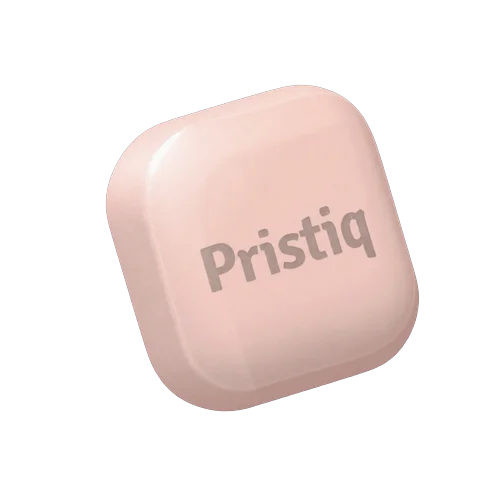
Pristiq is the product name shown on the pack. The available information does not identify its active ingredient or the amount of any ingredient, so its exact composition cannot be stated here.
Directions for use
Pristiq is taken orally as an extended-release tablet. Dosing differs between strengths and between users, so there is no single amount that suits everyone; follow the prescribed regimen rather than adjusting according to symptom changes on a single day.
- Take one tablet once daily at approximately the same time.
- Swallow the tablet whole with water.
- Do not crush, chew, or split an extended-release tablet.
- Treatment duration depends on response, relapse risk, and the prescribing plan.
- Do not increase the dose without a prescriber’s instruction.
- If a dose is missed, take it when remembered unless the next dose is close; never take two doses together.
A higher dose does not automatically produce a better antidepressant response. It may increase adverse effects, including nausea, sweating, insomnia, raised blood pressure, and sexual problems. The minimum effective regimen is generally preferred in long-term treatment.
Pristiq should not be stopped suddenly after regular use. Desvenlafaxine affects neurotransmitter systems, and abrupt withdrawal may produce dizziness, irritability, nausea, sleep disturbance, anxiety, or electric-shock sensations.
Comparison
| Treatment | Main pharmacology and practical distinction | Common limitations |
|---|---|---|
| Pristiq — desvenlafaxine | SNRI; inhibits serotonin and norepinephrine reuptake | Nausea, sweating, insomnia, sexual effects, blood-pressure changes, withdrawal symptoms |
| SSRI — sertraline or escitalopram | Mainly inhibits serotonin reuptake | Nausea, sexual dysfunction, sleep changes, emotional blunting in some people |
| Venlafaxine or duloxetine | SNRI; serotonin and norepinephrine reuptake inhibition | Similar SNRI effects, with individual differences in blood pressure, withdrawal, and tolerability |
Desvenlafaxine is closely related to venlafaxine because it is venlafaxine’s major active metabolite. Its metabolism differs from that of venlafaxine, which can make the interaction and dose-adjustment profile different for some patients. Duloxetine has additional clinical uses for certain pain conditions, while Pristiq is used primarily for major depressive disorder.
No antidepressant is universally preferable. An SSRI may suit someone with a strong anxiety component and previous good response to serotonin-focused treatment. An SNRI may be considered when low drive, reduced concentration, or previous SSRI limitations are prominent. NICE guidance recommends selecting antidepressants according to symptoms, previous response, adverse effects, comorbidities, and patient preference [4].
Common mistakes
Several practical errors can reduce tolerability or make treatment appear ineffective:
- Crushing or chewing the extended-release tablet.
- Taking doses at widely different times.
- Doubling the next dose after a missed tablet.
- Stopping treatment as soon as mood improves.
- Ignoring persistent high blood pressure, severe agitation, or suicidal thoughts.
- Adding tramadol, St John’s wort, another antidepressant, or a migraine medicine without checking interactions.
- Drinking heavily while still learning how the medicine affects alertness and sleep.
- Treating withdrawal symptoms as proof that the depression has returned.
- Failing to mention non-prescription painkillers or supplements during a medication review.
What doctors say
In clinical practice, prescribers usually assess Pristiq across several domains rather than relying on mood alone. Sleep, appetite, concentration, work or study function, anxiety, suicidal thinking, blood pressure, and adverse effects all help show whether treatment is helping.
A common prescribing mistake is judging the medicine too quickly. Early nausea or restlessness does not necessarily predict the final response, while a small improvement in daily functioning may appear before mood feels normal. The response should be reviewed after an appropriate treatment interval and again after dose changes.
Doctors also pay attention to activation. Reduced need for sleep, unusually rapid speech, racing thoughts, impulsive spending, or elevated irritability may indicate hypomania or mania rather than recovery. A history of bipolar disorder should be discussed before an antidepressant is started.
What customers often ask
Can alcohol be used while taking Pristiq?
Alcohol can increase dizziness, poor concentration, sleep disruption, and mood instability while taking Pristiq. NHS advice and MHRA guidance from 2015 describe impaired alertness and worsening depressive symptoms as relevant concerns with alcohol and antidepressant treatment. Avoiding alcohol is the safest choice while learning your response, especially during treatment initiation or a dose change. If alcohol has already been consumed, avoid driving and monitor for marked drowsiness, confusion, or unusual behaviour.
Is Pristiq suitable for people under 18?
Pristiq is not routinely used for children or adolescents because antidepressant treatment in younger people requires specialist assessment. The MHRA highlighted in 2015 the need for increased monitoring of suicidal thoughts, agitation, and behavioural changes in younger patients receiving antidepressants. The medicine should not be started in someone under 18 without a specialist-led decision based on the diagnosis and available alternatives. Parents or carers should report sudden mood activation, self-harm thoughts, or unusual irritability promptly.
What should be done after a missed Pristiq dose?
Take the missed tablet when remembered unless the next scheduled dose is near. Skipping the missed dose is preferable to taking two tablets together, because doubling can increase adverse effects and does not reliably restore symptom control. The 2023 FDA Pristiq prescribing information advises avoiding extra doses after a missed tablet. Repeated missed doses can also produce dizziness, nausea, irritability, or electric-shock sensations.
Can Pristiq cause sexual side effects?
Yes. Desvenlafaxine may cause reduced libido, delayed orgasm, erectile difficulty, or other sexual problems. The EMA's 2023 safety information describes sexual dysfunction as a recognised concern across serotonergic antidepressant treatment, and symptoms may persist in some people after other adverse effects have settled. Do not stop Pristiq suddenly because of this problem; discuss the timing and severity with the prescriber so the treatment plan can be reviewed.
Can older adults use Pristiq?
Older adults may use Pristiq when the expected benefit outweighs the risks, but kidney function, blood pressure, sodium levels, falls, and concurrent medicines deserve attention. The WHO's 2023 guidance emphasises medication review and monitoring of adverse effects in older people receiving treatment for depression. Older adults can be more vulnerable to dizziness, low sodium, bleeding, and interactions involving multiple medicines. A lower or less frequent regimen may be required when kidney function is reduced.
Do you offer anonymous delivery?
Your order will be securely packed and shipped within 24 hours. This is exactly what your package will look like (images of an actual item sent). It has the size and look of a regular private letter (24x11x0.7 cm) and its contents cannot be seen.
Comparison
How Buyers Rate Pristiq
After several weeks on Pristiq, I felt more able to concentrate and deal with ordinary tasks. The improvement was gradual rather than dramatic, but it made a real difference to my day. I was satisfied with the result.
Pristiq helped me regain interest in work and exercise after a long period of low mood. I noticed the change over the first month and felt more like myself as treatment continued. It became easier to keep a regular routine.
Sources
- U.S. Food and Drug Administration (2023). Pristiq (desvenlafaxine) Prescribing Information.
- Pfizer (2023). Pristiq Extended-Release Tablets: Prescribing Information.
- Medicines and Healthcare products Regulatory Agency (2015). Antidepressants: risk of suicidal thinking and behaviour.
- National Institute for Health and Care Excellence (2022). Depression in adults: treatment and management.