Skip to content
24/7 Support
Save up to 80%
Fast & Discreet Delivery
Ciplox

Ciplox

Quality products
24/7 Support
Fast delivery
Delivery from 4 days
Active ingredient Ciprofloxacin

Free delivery on orders from £ 172.00, free express delivery from £ 258.00

Ciplox contains ciprofloxacin and may be useful for selected susceptible bacterial infections. How much to use and how often depends on the purpose of treatment and is agreed with a doctor or pharmacist.

Overview

Ciplox contains ciprofloxacin, which blocks bacterial enzymes needed for growth and repair. The tablets are used for selected bacterial infections when a prescriber considers a fluoroquinolone appropriate. How much to use and how often depends on the purpose of treatment and is agreed with a doctor or pharmacist. Ciprofloxacin belongs to the fluoroquinolone antibiotic class.

Therapeutic indications

Ciprofloxacin may be prescribed for selected infections involving the urinary tract, gastrointestinal tract, skin, bones, joints, or other sites when the suspected bacteria are susceptible. Ciplox can be useful for selected susceptible bacterial infections.

Mechanism of action

Ciprofloxacin enters susceptible bacteria and interferes with DNA gyrase and topoisomerase IV. These enzymes control the twisting, copying, and separation of bacterial DNA. Human cells use different enzymes, which gives ciprofloxacin its antibacterial selectivity.

The medicine reaches different body tissues after oral absorption, but that does not make it suitable for every infection. A prescriber weighs the likely organism, tissue penetration, resistance risk, and the patient’s medical history before selecting it.

Ciprofloxacin should therefore be used only when the clinical benefit justifies those risks [2].

Reasons not to use it

Ciplox is not suitable for everyone. A prescriber needs to review the following before treatment:

  • Previous serious reaction to ciprofloxacin or another quinolone.
  • Current tendon pain or a previous quinolone-related tendon disorder.
  • Seizure disorder or a condition that lowers the seizure threshold.
  • Significant kidney disease.
  • Aortic aneurysm or risk factors for aortic disease.
  • Myasthenia gravis.
  • Heart-rhythm problems or medicines that prolong the QT interval.
  • Pregnancy or breastfeeding.
  • Previous severe psychiatric or neurological reaction to a fluoroquinolone.
  • Current corticosteroid treatment.

Ciprofloxacin can interact with medicines that alter heart rhythm, blood glucose, seizure risk, or anticoagulation. It may also interact with some medicines used for depression, psychosis, inflammation, diabetes, and migraine. A complete medicine list is needed before the first dose.

When this is not for you

Ciplox is not suitable for everyone. Do not use it if a prescriber identifies a suitable alternative or if you have had a serious fluoroquinolone reaction. Tell a clinician promptly if you develop tendon pain, nerve symptoms, severe anxiety, or sleep disturbance.

Unwanted effects

Common effects of oral ciprofloxacin can include nausea, diarrhoea, abdominal discomfort, headache, dizziness, sleep disturbance, and changes in taste. Mild symptoms may settle, but persistent or severe symptoms require medical review.

Dizziness can affect driving, cycling, climbing, and work around machinery. Diarrhoea can cause dehydration, and watery or bloody diarrhoea may indicate antibiotic-associated colitis rather than a routine side effect.

Serious fluoroquinolone reactions

Stop strenuous activity and obtain prompt medical advice if pain, swelling, or stiffness develops in a tendon, especially the Achilles tendon. Tendon injury can occur during treatment or after treatment has finished, with higher risk in older adults, people taking corticosteroids, and patients with kidney disease.

Seek urgent medical help for:

  • Sudden breathing difficulty, facial swelling, or widespread hives.
  • Severe or persistent diarrhoea, especially with blood or fever.
  • Burning, tingling, numbness, or weakness in the arms or legs.
  • New severe anxiety, confusion, hallucinations, or suicidal thoughts.
  • A fast or irregular heartbeat with fainting.
  • Severe skin blistering or peeling.

The NHS lists antibiotic-associated diarrhoea and allergic reactions among symptoms requiring medical attention, while fluoroquinolone safety information describes tendon, nerve, and psychiatric reactions as important warnings [3].

A sore Achilles tendon is not a symptom to walk through. Stop exercise and contact a clinician promptly rather than waiting to see whether the pain disappears.

A bitter or unusual taste is more relevant to some ciprofloxacin liquid or local preparations than to oral tablets. With Ciplox tablets, new taste changes should still be mentioned if persistent or accompanied by neurological symptoms.

Formulation

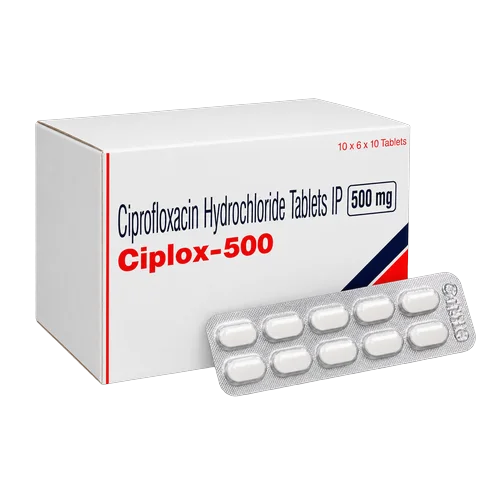
Ciplox is an oral tablet containing ciprofloxacin hydrochloride. Ciprofloxacin belongs to the fluoroquinolone antibiotic class. It targets bacterial DNA gyrase and topoisomerase IV, enzymes that bacteria need to copy and repair their genetic material [1].

The result is loss of bacterial replication and, in susceptible organisms, bacterial death. The medicine does not work against viruses, so it has no useful role for ordinary colds, influenza, or most viral sore throats.

Ciprofloxacin as the active ingredient

Ciprofloxacin may be prescribed for selected infections involving the urinary tract, gastrointestinal tract, skin, bones, joints, or other sites when the suspected bacteria are susceptible. The precise indication depends on the infection, local resistance patterns, previous antibiotic exposure, kidney function, allergy history, and the prescriber’s assessment.

Fluoroquinolones are reserved for situations where their benefits justify their risks. Antimicrobial resistance can make ciprofloxacin unsuitable even when symptoms resemble a previous infection.

Bacterial infections and treatment decisions

A bacterial infection needs the correct antibiotic, at the correct dose, for the correct duration. Ciplox should not be used as leftover treatment for a new illness, because the new infection may involve a different organism or may not be bacterial.

Complete the prescribed course unless a clinician tells you to stop because of a serious reaction or a change in diagnosis. Stopping early can leave surviving bacteria behind and contribute to resistance.

Ciprofloxacin is not a general-purpose treatment for diarrhoea or urinary symptoms. The cause of the illness matters, and a culture or other test may be needed before treatment is selected.

Directions for use

Ciplox is supplied as oral tablets. How much to use and how often depends on the purpose of treatment and is agreed with a doctor or pharmacist.

  • Swallow the tablet with water.
  • Take each dose at the scheduled time.
  • Swallow it whole unless a prescriber or pharmacist gives different instructions.
  • Keep ciprofloxacin separate from antacids and mineral products containing aluminium, magnesium, calcium, iron, or zinc.
  • Do not take ciprofloxacin at the same time as calcium-fortified drinks or mineral supplements.
  • Continue for the prescribed duration, even if symptoms improve early.
  • Do not take two doses together after a missed dose.

Ciprofloxacin absorption can fall when it binds to minerals in the digestive tract. This interaction is easy to miss because iron tablets, magnesium products, indigestion remedies, and multivitamins may not feel like prescription medicines.

Make a written list of antacids, vitamins, iron tablets, and mineral supplements before starting Ciplox. The timing gap depends on the specific product, so the pharmacist or prescriber should provide the interval for your medicines.

Kidney impairment can alter ciprofloxacin exposure and may require a different regimen. The dose may also need review in older adults, people with seizure disorders, or patients taking medicines that affect heart rhythm or blood glucose.

Comparison

Antibiotic selection should follow the infection site, suspected organism, allergy history, resistance data, and previous treatment response. A different fluoroquinolone or a non-fluoroquinolone antibiotic may be chosen when ciprofloxacin is unsuitable.

Treatment approach Main clinical distinction Why a clinician may choose it
Ciprofloxacin Fluoroquinolone targeting bacterial DNA enzymes Selected susceptible bacterial infections when tissue penetration and susceptibility support its use
Levofloxacin Related fluoroquinolone with different pharmacokinetic and susceptibility considerations Considered for selected infections when the organism and patient factors favour it
Non-fluoroquinolone antibiotic Different antibacterial target and risk profile Preferred when a narrower option is suitable or fluoroquinolone risks outweigh benefits

Levofloxacin is not automatically safer or stronger. The choice depends on the organism and the patient, not on the broad label of “strong antibiotic”.

Ciprofloxacin should not be replaced without a clinical reason. Culture results, local resistance patterns, kidney function, tendon history, neurological conditions, and interacting medicines can change the preferred option.

Common mistakes

  • Taking Ciplox together with an iron, calcium, magnesium, or zinc supplement.
  • Using a previous course for a new infection.
  • Stopping when symptoms improve without completing the prescribed duration.
  • Doubling the next dose after forgetting one.
  • Exercising through tendon pain.
  • Driving after dizziness has started.
  • Failing to mention corticosteroid treatment.
  • Taking ciprofloxacin without reporting kidney disease.
  • Assuming that a broad-spectrum antibiotic treats viral symptoms.
  • Sharing tablets with another person who has similar symptoms.

Key medical terms in plain English

Fluoroquinolone: an antibiotic family that interferes with bacterial DNA enzymes. The class includes important tendon and nerve warnings.

Antimicrobial resistance: a change that allows bacteria to survive an antibiotic. Incorrect antibiotic selection or unnecessary use can contribute to it.

Tendon injury: damage to the strong tissue connecting muscle to bone. With ciprofloxacin, the Achilles tendon is a recognised site.

QT prolongation: a change in the heart’s electrical recovery time. Some medicines combined with ciprofloxacin can increase the risk of abnormal rhythm.

Renal impairment: reduced kidney function. It can change how ciprofloxacin is cleared and may require a revised regimen.

What doctors say

In clinical practice, doctors often reserve ciprofloxacin for infections where susceptibility, tissue penetration, or previous treatment history supports its use. A prescription does not mean that every symptom will improve immediately, and persistent fever, worsening pain, or new symptoms can indicate resistance, an incorrect diagnosis, or a complication.

A physician will usually ask about tendon disorders, steroid treatment, kidney function, neurological illness, pregnancy, breastfeeding, and interacting medicines before selecting a fluoroquinolone. The same review matters when Ciplox is being requested for a recurrent infection.

Prescribers also consider antimicrobial stewardship. This means using an antibiotic only when a bacterial cause is likely and choosing the narrowest suitable treatment. NICE guidance supports antibiotic review when symptoms fail to improve, recur, or suggest a more serious illness [4].

Tell the prescriber if you have previously stopped a fluoroquinolone because of tendon pain, numbness, severe anxiety, or sleep disturbance. That history can change the choice of antibiotic.

What customers often ask

What should I discuss with a doctor before starting Ciplox?

The NHS information current in 2025 advises patients to mention previous quinolone reactions, tendon problems, kidney disease, seizure disorders, pregnancy, breastfeeding, and medicines that may interact. The prescriber should also know about corticosteroid treatment and heart-rhythm conditions. These details help determine whether ciprofloxacin is appropriate for the infection and for the individual patient.

Can I drink alcohol while using Ciplox?

NHS antibiotic guidance available in 2025 does not describe the tinidazole-type alcohol reaction for ciprofloxacin. Alcohol can still worsen dizziness, nausea, drowsiness, and poor concentration while you are unwell. Ciplox should be distinguished from tinidazole-containing combinations, where alcohol avoidance extends beyond treatment according to the product information.

Can I drive, concentrate, or operate machinery while taking Ciplox?

The MHRA fluoroquinolone safety advice current in 2025 recognises dizziness, sleep disturbance, confusion, and other nervous-system reactions as possible problems. Do not drive, cycle, work at height, or operate machinery if Ciplox makes you dizzy, confused, unusually sleepy, or visually impaired. Concentration may also be reduced by the infection itself, dehydration, or alcohol.

Can Ciplox be taken with antacids, iron, calcium, magnesium, or zinc?

The ciprofloxacin product information reviewed by the EMA in 2025 advises separating ciprofloxacin from medicines and supplements containing aluminium, magnesium, calcium, iron, or zinc. These minerals can bind the antibiotic and reduce its absorption. The correct interval depends on the specific product, so the timing should be confirmed before the first dose rather than guessed.

Is Ciplox suitable during pregnancy or breastfeeding?

The NHS pregnancy and breastfeeding information available in 2025 advises discussing ciprofloxacin with a prescriber before use. Ciprofloxacin is not routinely selected during pregnancy when another suitable antibiotic is available, although the infection itself may require treatment. Breastfeeding decisions depend on the infection, alternative options, treatment duration, and the infant’s circumstances.

Can the Ciplox tablet be split, crushed, or chewed?

NHS medicines guidance available in 2025 supports swallowing the Ciplox tablet with water unless a prescriber or pharmacist gives a different instruction. Crushing or chewing can make administration unpleasant and may interfere with the intended tablet form. If swallowing is difficult, ask about a suitable alternative formulation before altering the tablet.

What should I do after a missed Ciplox dose?

The NHS advice current in 2025 is to take a missed antibiotic dose when remembered unless the next dose is due soon. If the next scheduled dose is close, skip the forgotten dose and return to the normal timetable. Never double the dose, and seek medical advice if several doses have been missed or symptoms are worsening.

Do you offer anonymous delivery?

Your order will be securely packed and shipped within 24 hours. This is exactly what your package will look like (images of an actual item sent). It has the size and look of a regular private letter (24x11x0.7 cm) and its contents cannot be seen.

Comparison

Comparison table: Antibiotics

How Buyers Rate Ciplox

3.9
Based on 5 reviews
Andrew, 55
Leicester
7-day course
Verified
Rating: 4 out of 5

I took Ciplox for a bacterial urinary infection and noticed the burning reduced after several days. The tablets were easy to swallow with water, and I finished the course as prescribed. I was satisfied with the improvement.

7 Nov 2026
Robert, 26
Bradford
7-day course
Verified
Rating: 2.5 out of 5

Ciplox did not improve the symptoms I was having. I also developed loose stools and stopped feeling well, so I contacted the doctor rather than taking extra tablets. The treatment was changed after review.

10 Oct 2026
Michael, 55
Bath
7-day course
Verified
Rating: 4.5 out of 5

The infection settled during the course, and I was able to return to normal activities afterwards. I kept my mineral supplement at a separate time because that had been explained before I started. The experience was positive.

26 Oct 2026
Ian, 53
Cardiff
7-day course
Verified
Rating: 3.5 out of 5

The medicine helped, but the improvement was slower than I expected and I had mild nausea for several days. I spoke with the doctor before making any change and completed the agreed course. It was useful, although not completely comfortable.

15 Oct 2026
Gareth, 66
Birmingham
7-day course
Verified
Rating: 5 out of 5

Ciplox was prescribed for a bacterial infection and the symptoms improved steadily. I avoided strenuous exercise while taking it and did not notice any tendon problems. The treatment worked well for me.

2 Nov 2026

Sources

  1. EMA (2025). Summary of Product Characteristics — ciprofloxacin-containing medicinal products.
  2. MHRA (2024). Fluoroquinolone antibiotics: reminder of measures to reduce the risk of long-lasting or disabling side effects.
  3. NHS (2025). Ciprofloxacin: side effects and how to take it.
  4. NICE (2025). Suspected sepsis: recognition, diagnosis and early management.
Get our free app Shop faster and track your orders 4.0 · 224 reviews Install