I took Topamax for migraine prevention for about eight weeks. The attacks became less frequent by the second month, which made work easier, but I noticed tingling in my fingers and occasional trouble finding words. The benefit was real, although I needed to discuss whether the side effects were worth continuing.
Topamax
Topiramate, the active ingredient of Topamax, is an anticonvulsant used for epilepsy and migraine prevention. The medicine reduces abnormal electrical activity in the brain and helps lower the frequency of migraine attacks rather than treating pain after an attack has started.
Overview
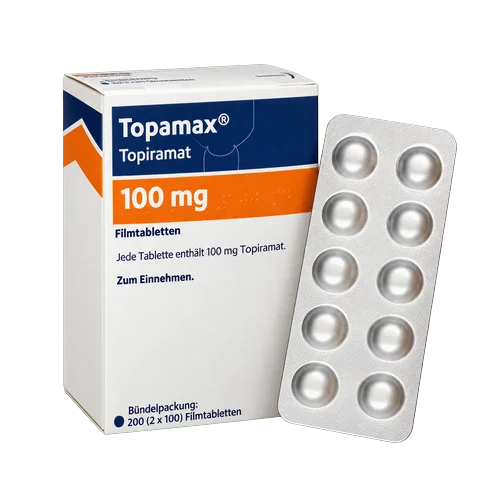
Topamax is a prescription-only treatment. Its use depends on the diagnosis, age, kidney function, other medicines, and the response achieved during dose adjustment. The product is supplied as tablets, and each tablet contains topiramate as the active substance.
Therapeutic indications
Epilepsy management
Topiramate may be prescribed alone or with another antiepileptic medicine for certain seizure disorders. It is used in adults and children, although the suitable age range, starting dose, and titration schedule depend on the indication and the patient’s clinical circumstances. The FDA prescribing information describes topiramate use in focal-onset seizures, primary generalised tonic–clonic seizures, and seizures associated with Lennox–Gastaut syndrome [1].
The aim is to reduce seizure frequency while keeping unwanted effects manageable. Treatment does not cure the underlying tendency to have seizures, so stopping suddenly can increase seizure risk even when the patient has been stable for a long time.
Migraine prophylaxis
Topamax is used for migraine prophylaxis, also called migraine prevention. It is taken regularly to reduce the number of migraine days and may lessen the severity of attacks over time. It is not designed to provide rapid relief during an acute migraine episode.
A prevention treatment is usually assessed over several weeks because the benefit develops gradually. A headache diary can help record migraine days, associated symptoms, rescue medicines, and possible triggers. NICE guidance covers preventive strategies for migraine and the need to review treatment according to benefit and tolerability [2].
Mechanism of action
Topiramate acts through several pathways in the central nervous system. This combination helps reduce excessive neuronal firing, which is relevant to seizure control and migraine prevention.
The main actions include:
- inhibition of voltage-dependent sodium channels, reducing repeated high-frequency nerve firing;
- enhancement of some gamma-aminobutyric acid, or GABA, activity;
- reduction of signalling through AMPA and kainate glutamate receptors;
- mild inhibition of certain carbonic anhydrase enzymes.
GABA is an inhibitory neurotransmitter. In plain language, it helps calm nerve-cell activity. Glutamate has an excitatory role, so reducing AMPA and kainate signalling can make excessive neuronal activation less likely.
Topamax is not an SSRI, benzodiazepine, or conventional painkiller. Its effect comes from modifying electrical and chemical signalling in the brain. The same mechanism can also explain some adverse effects, including tingling, slowed thinking, word-finding difficulty, and changes in taste.
The carbonic anhydrase effect can influence bicarbonate levels and urinary chemistry. This is why metabolic acidosis and kidney stones are clinically relevant risks, especially in people with kidney disease, dehydration, or another medicine that affects carbonic anhydrase.
Reasons not to use it
- previous serious allergy to topiramate or an excipient in the prescribed formulation;
- pregnancy when used for migraine prevention;
- a history of kidney stones or significant kidney impairment without dose assessment;
- metabolic acidosis or a condition that predisposes to acidosis;
- glaucoma or unexplained acute visual symptoms;
- a ketogenic diet without specialist supervision;
- previous severe mood disturbance or suicidal thinking requiring active monitoring;
- use of valproate, acetazolamide, or zonisamide without interaction review.
Pregnancy planning needs early discussion. Topiramate is associated with increased risks to the developing baby, including oral clefts and impaired fetal growth, and it may affect neurodevelopment. The MHRA introduced strengthened safety measures for topiramate in 2024, including requirements related to pregnancy prevention and counselling [3].
Breastfeeding decisions also require individual assessment. The medicine passes into breast milk, so the infant’s feeding, alertness, weight gain, and hydration may need monitoring.
When this is not for you
Topamax is not suitable for everyone. Not for you if: you are pregnant and need migraine prevention, have unreviewed kidney or eye problems, or cannot follow the prescribed monitoring and titration plan.
Unwanted effects
The most frequent adverse effects are dose-related and may be more noticeable during titration. Common problems include tingling in the hands or feet, reduced appetite, weight loss, altered taste, nausea, diarrhoea, tiredness, dizziness, and slowed thinking. Some patients describe difficulty finding words or concentrating rather than feeling sedated.
Topiramate can also affect mood. Irritability, anxiety, depression, and suicidal thoughts require prompt clinical attention. A person who becomes unusually withdrawn, agitated, hopeless, or impulsive should not ignore the change.
Serious reactions include:
- acute short-sightedness with eye pain or sudden blurred vision;
- secondary angle-closure glaucoma;
- severe skin reactions;
- metabolic acidosis;
- kidney stones;
- reduced sweating with overheating;
- severe allergic reaction;
- confusion or marked reduction in alertness.
Acute myopia and secondary angle-closure glaucoma can develop quickly. Eye pain, sudden visual reduction, halos around lights, or severe headache with visual symptoms require urgent medical assessment. The FDA label identifies these ocular reactions as important warnings associated with topiramate .
Weight loss can be welcome for some patients, but unplanned or excessive loss needs review. Children may need monitoring of growth, appetite, hydration, and activity in warm conditions. A metallic or altered taste can make fizzy drinks or familiar foods unpleasant; this effect is often reported early in treatment.

Formulation
Topiramate is the international non-proprietary name of the active substance in Topamax. Generic topiramate products contain the same active ingredient, while inactive ingredients, tablet appearance, and release characteristics can differ between formulations.
Bioequivalence requirements are intended to ensure that an approved generic delivers the active substance within an acceptable range compared with the reference product. A switch between immediate-release and modified-release formulations is not an informal substitution because the release pattern may differ.
Directions for use
The amount taken at each intake is set individually rather than being one fixed dose for every person. A prescriber normally starts with a lower amount and increases it gradually, allowing the body to adjust and making cognitive or sensory effects easier to identify.
Typical administration principles include:
- take the prescribed amount at the scheduled time;
- swallow the tablet with water;
- take doses consistently, with or without food;
- avoid stopping treatment suddenly;
- if a dose is missed, follow the prescribed missed-dose plan rather than doubling the next intake;
- use extra care with driving or operating machinery during dose changes.
For epilepsy, titration may be arranged gradually. Migraine prevention also uses gradual dose adjustment, but the target can differ from the dose selected for seizure control. Kidney impairment may require a slower approach or a lower maintenance dose because topiramate is substantially cleared through the kidneys.
Do not crush or chew a modified-release formulation if one has been prescribed. The tablets supplied as Topamax are swallowed tablets, and the exact administration plan should match the prescribed formulation.
Adequate fluid intake is useful unless a clinician has prescribed fluid restriction. Dehydration can increase the chance of kidney stones and may worsen heat-related problems. Children taking topiramate need careful observation because reduced sweating and overheating can be difficult to recognise early.
Comparison
Topiramate belongs to a group of medicines with several possible uses in neurology. Alternative treatment is selected according to seizure type, migraine pattern, pregnancy potential, kidney function, coexisting conditions, and previous response.
| Treatment approach | Main clinical role | Practical distinction |
|---|---|---|
| Topiramate | Epilepsy and migraine prevention | Can help both seizure control and migraine prevention; cognitive effects, tingling, weight loss, and kidney-stone risk need consideration |
| Valproic acid or divalproex | Several seizure disorders and some migraine-prevention plans | Effective for selected patients but carries important reproductive, liver, metabolic, and weight-related concerns |
| Lamotrigine, carbamazepine, zonisamide, or gabapentin | Selected seizure disorders | Choice depends on seizure type, interaction profile, sedation, skin reactions, and other patient factors |
Lamotrigine is often considered when a medicine with a different tolerability profile is preferred, although it requires slow escalation because of serious skin-reaction risk. Carbamazepine can be useful for selected focal seizures but has enzyme-inducing and interaction effects. Zonisamide shares some carbonic anhydrase-related concerns with topiramate.
No single option is best for every person. Topamax may be attractive when migraine prevention and seizure management are both relevant, yet cognitive symptoms or kidney-stone risk can make another approach more suitable.
Common mistakes
Several practical errors can reduce benefit or increase risk:
- stopping Topamax abruptly after seizures have improved;
- increasing the dose faster than prescribed because migraine relief has not appeared immediately;
- doubling the next dose after a missed tablet;
- overlooking reduced sweating during hot weather;
- failing to mention a ketogenic diet or another carbonic anhydrase inhibitor;
- treating sudden blurred vision as an ordinary headache symptom;
- assuming weight loss or appetite suppression is harmless when it becomes pronounced;
- drinking too little fluid while experiencing heat, vomiting, diarrhoea, or heavy exercise;
- forgetting that hormonal contraception may require review at some topiramate doses;
- judging migraine prevention after only a few days.
What doctors say
Clinicians usually judge Topamax by function rather than by a single symptom. For epilepsy, the key measures are seizure frequency, seizure severity, recovery time, and whether the patient can maintain regular daily activities. For migraine prevention, the useful measure is the number of migraine days over a month, not whether every individual headache disappears.
A neurologist will usually prefer gradual titration. Raising the amount too quickly can produce cognitive complaints that might have been avoided with a slower schedule. The therapeutic target is the lowest amount that provides worthwhile control without unacceptable impairment.
Prescribers also look for subtle warning signs. Patients may describe losing words, forgetting routine tasks, feeling unusually irritable, or struggling in hot weather before a serious problem becomes obvious. These details can influence the next dose decision.
The Cochrane review of topiramate for migraine prevention found that topiramate can reduce migraine frequency, while adverse effects and withdrawals remain relevant when discussing treatment choice [4]. This balance is central to clinical practice: a reduction in attacks has to justify the burden of side effects.
What customers often ask
How long does one dose of Topamax keep working?
Topiramate has a relatively long elimination half-life, so regular dosing maintains drug exposure over the day rather than relying on a short burst of action. The exact duration varies with kidney function, age, dose, and interacting medicines. The FDA product information from 2023 describes pharmacokinetic factors that influence topiramate clearance. Clinical review therefore considers the pattern of benefit over time. For migraine prevention, the clinical benefit comes from repeated doses over time, not from one tablet taken during an attack.
Which symptoms mean stopping Topamax and seeking urgent medical help?
Sudden blurred vision, eye pain, halos around lights, severe rash, facial swelling, breathing difficulty, marked confusion, or loss of consciousness require urgent medical assessment. Severe vomiting, profound sleepiness, or confusion can signal hyperammonaemia when topiramate is combined with valproate. The MHRA safety communications available in 2024 emphasised prompt attention to serious reactions and pregnancy-related risks. Do not take another scheduled dose until urgent medical advice has addressed a suspected serious reaction.
What should be checked before starting Topamax?
A prescriber should review kidney function, previous kidney stones, glaucoma or visual problems, mood history, pregnancy potential, contraception, and all medicines or supplements. The treatment plan should also include discussion of hydration, heat exposure, and any ketogenic diet. The EMA safety framework in 2024 placed special emphasis on pregnancy prevention and fetal risk. These checks help identify a safer starting plan and an appropriate titration speed.
Can people under 18 use Topamax?
Topiramate is used in paediatric epilepsy in circumstances where the prescriber considers it appropriate. Children need monitoring of appetite, weight, growth, alertness, concentration, sweating, and hydration. Its use for migraine prevention in younger patients depends on age, diagnosis, local prescribing guidance, and specialist judgement. NICE guidance published in 2021 supports age-specific assessment for headache management rather than treating children as small adults.
What happens when Topamax is stopped, and does it need tapering?
Stopping suddenly can increase seizure frequency or provoke seizures in people taking it for epilepsy. Migraine symptoms may also return when preventive treatment is withdrawn, although the pattern varies. A prescriber normally reduces the amount gradually, with the pace based on the indication, current dose, treatment duration, and other medicines. The WHO’s 2023 guidance on neurological medicine safety supports planned withdrawal rather than unsupervised abrupt cessation.
Does Topamax cause tingling in the hands or feet?
Yes, paraesthesia, meaning tingling or pins-and-needles sensations, is a recognised effect of topiramate. It often appears in the fingers, toes, or around the mouth, especially during early titration. The EMA product information from 2024 links this effect with the medicine’s pharmacological actions, including carbonic anhydrase inhibition. Persistent, severe, or painful tingling should be reported because it may coexist with dehydration, acidosis, or another problem.
Do you offer anonymous delivery?
Your order will be securely packed and shipped within 24 hours. This is exactly what your package will look like (images of an actual item sent). It has the size and look of a regular private letter (24x11x0.7 cm) and its contents cannot be seen.
How Buyers Rate Topamax
Topamax reduced my migraine days after roughly six weeks. The first fortnight was difficult because food tasted different and I felt slower in the afternoon. Those problems eased somewhat, but the treatment did not remove every attack.
After several months on Topamax, I had fewer disabling migraines and missed fewer days at work. The improvement was gradual rather than sudden, but the monthly pattern became much easier to manage.
Topamax helped reduce the number of migraine attacks I had each month. I noticed the difference after keeping a headache diary for several weeks, and the improvement continued while I took the tablets regularly.
I used Topamax as part of my migraine-prevention plan and found that severe attacks became less frequent. It took patience at the beginning, but the reduction in interruptions to my routine was worthwhile.
Sources
- U.S. Food and Drug Administration (2023). Topamax (topiramate) Prescribing Information.
- National Institute for Health and Care Excellence (2021). Headaches in over 12s: diagnosis and management, NICE guideline NG150.
- Medicines and Healthcare products Regulatory Agency (2024). Topiramate: new safety measures, including a pregnancy prevention programme.
- Cochrane (2013). Topiramate for preventing migraine headaches.