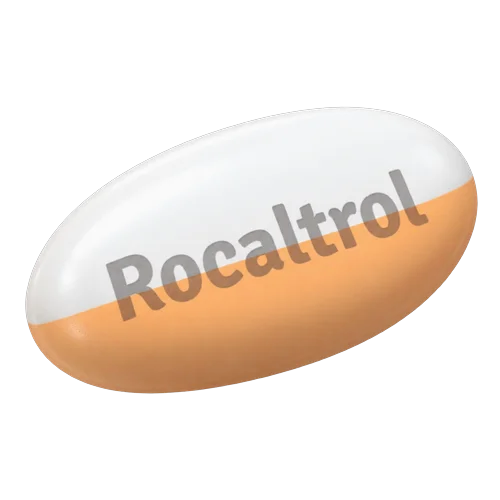
I used Rocaltrol capsules for several weeks as part of my kidney treatment, but I did not notice the improvement I had hoped for. The regimen was stopped after review because it was not giving me enough benefit.
Rocaltrol
Rocaltrol is used to manage calcium and bone-mineral disorders linked to chronic kidney disease and parathyroid dysfunction. Its active substance, calcitriol, is the biologically active form of vitamin D and helps the body absorb calcium more efficiently.
Overview
Rocaltrol capsules contain calcitriol, a vitamin D analogue used when the body cannot produce enough active vitamin D through normal kidney metabolism. Calcitriol supports calcium absorption from the intestine and helps regulate calcium and phosphate balance.
Therapeutic indications
Doctors may prescribe Rocaltrol for hypocalcaemia associated with chronic renal dialysis, renal osteodystrophy, and hypoparathyroidism. Renal osteodystrophy describes bone changes caused by advanced kidney disease, altered phosphate handling, reduced active vitamin D production, and abnormal parathyroid hormone activity. The UK Summary of Product Characteristics describes calcitriol as a treatment requiring close biochemical monitoring because excessive calcium levels can develop during therapy [1].
Other calcium and bone disorders may require specialist assessment. These can include osteomalacia rickets, osteoporosis, or idiopathic hypercalcaemia, although the appropriate treatment depends on the underlying cause and laboratory findings.
Conditions managed by calcitriol therapy
Healthy kidneys convert vitamin D into calcitriol. Advanced renal disease can reduce this conversion, leaving insufficient active vitamin D despite adequate vitamin D intake. Calcitriol capsules provide the active hormonal form directly, which is why they may be used in chronic renal dialysis associated hypocalcaemia.
Hypoparathyroidism creates a different problem. Low parathyroid hormone reduces the normal regulation of calcium and phosphate. Calcitriol can help improve intestinal calcium absorption, while clinicians monitor blood calcium and phosphate to keep treatment within a suitable range.
Rocaltrol is not a general-purpose vitamin supplement. It is a prescription treatment with a narrow therapeutic margin, meaning the gap between a useful dose and an excessive dose can be clinically significant.
Mechanism of action
Calcitriol is the active metabolite of vitamin D. It binds to vitamin D receptors inside cells, including cells in the intestine, bone, kidney, and parathyroid glands. This receptor activity changes gene expression and increases the production of proteins involved in calcium transport.
In the intestine, calcitriol increases the absorption of dietary calcium and phosphate. In bone, it supports normal mineral metabolism, while its effects on parathyroid tissue help regulate parathyroid hormone activity. The balance is complex: calcitriol supports bone mineralisation when calcium and phosphate supplies are appropriate, but excessive exposure may contribute to hypercalcaemia.
The US prescribing information for calcitriol capsules describes this receptor-mediated activity and the need to monitor calcium during treatment [2]. Hypercalcaemia can affect the digestive system, kidneys, nervous system, and heart rhythm, so biochemical monitoring is part of normal clinical management.
Calcitriol acts differently from cholecalciferol and ergocalciferol. Cholecalciferol is vitamin D3, while ergocalciferol is vitamin D2. Both require metabolic activation in the liver and kidneys. Calcitriol is already in its active hormonal form, which makes it useful when renal conversion is impaired.
| Treatment type | Main role | Clinical distinction |
|---|---|---|
| Calcitriol | Active vitamin D receptor agonist | Acts without the final kidney activation step |
| Cholecalciferol | Vitamin D3 replacement | Requires metabolic conversion before becoming active |
| Ergocalciferol | Vitamin D2 replacement | Also requires conversion and may not replace calcitriol in advanced renal disease |
Reasons not to use it
Rocaltrol is not suitable in these circumstances
- Existing hypercalcaemia.
- Evidence of vitamin D toxicity.
- Previous serious reaction to calcitriol or an excipient in the capsule.
- Conditions where uncontrolled calcium elevation would create a serious risk.
- Use of another vitamin D analogue without a coordinated treatment plan.
When this is not for you
Rocaltrol is NOT for you if you have hypercalcaemia, vitamin D toxicity, or an unreviewed overlapping vitamin D treatment.
Pregnancy requires specialist assessment because both low and high maternal calcium can cause harm. Calcitriol may be used in selected circumstances, but the dose must be individually controlled. Breastfeeding also requires review because calcium and vitamin D metabolism in the mother and infant may need monitoring.
Unwanted effects
Many adverse reactions to calcitriol are related to hypercalcaemia or hypercalciuria rather than a direct allergy to the capsule. The likelihood increases when the dose is too high, calcium intake rises, another vitamin D product is added, or laboratory monitoring is delayed.
Possible effects include:
- Abdominal pain, nausea, vomiting, or constipation.
- Loss of appetite.
- Increased thirst and increased urination.
- Headache, tiredness, weakness, or muscle discomfort.
- Confusion or reduced concentration when calcium becomes substantially elevated.
- Kidney stones or worsening kidney function.
- Cardiac arrhythmia in severe calcium disturbance.
- Raised blood urea nitrogen and creatinine.
- Skin rash or another hypersensitivity reaction.
The product information for calcitriol links excessive calcium exposure with gastrointestinal symptoms, renal changes, and cardiac effects [3]. Mild symptoms can be nonspecific, especially in people with kidney disease, so blood testing may be needed even when symptoms seem manageable.
One practical issue is that constipation may be blamed on diet or dialysis medicines. During Rocaltrol treatment, a new or persistent change in bowel habit can also signal altered calcium levels.
Another detail patients often miss is that thirst and frequent urination are not always signs of better hydration. They can occur when calcium levels rise and should be reported rather than treated by adding large amounts of fluid or calcium-containing products.
Formulation
Rocaltrol capsules contain calcitriol, the biologically active form of vitamin D and a vitamin D analogue. Calcitriol supports calcium absorption from the intestine and helps regulate calcium and phosphate balance. The available information does not specify the capsule excipients.
Directions for use
Rocaltrol is supplied as oral capsules. Calcitriol capsules are designed for precise dose adjustment, which is useful when the required amount changes according to serum calcium, phosphate, parathyroid hormone, renal function, and dialysis status.
Common calcitriol capsule strengths used in clinical practice include low-microgram strengths for cautious initiation and titration. The regimen for the chosen strength must be confirmed with a healthcare professional before starting.
The capsule should be taken by mouth according to the prescribed regimen. Do not change the number of capsules, combine different vitamin D products, or add calcium supplements without clinical advice, because these changes can raise total calcium exposure.
Dose adjustment and laboratory monitoring
Calcitriol dosing is individualised. Clinicians may begin with a low dose and adjust it after reviewing blood calcium, phosphate, alkaline phosphatase, creatinine, and parathyroid hormone results. Dialysis patients may require a different regimen from people with hypoparathyroidism or other calcium disorders.
The treatment aim is not simply to raise calcium as high as possible. The aim is to correct the underlying biochemical imbalance while avoiding hypercalcaemia and hyperphosphataemia. Laboratory trends help clinicians judge whether the dose is appropriate. Calcium and phosphate results can change after dialysis, dietary, or medicine changes. Follow-up testing supports safer adjustment than symptom-based dose changes.
Rocaltrol is taken orally as capsules. The regimen for the chosen strength is confirmed with a healthcare professional before starting, then adjusted according to the treated condition and laboratory monitoring.
Key administration principles include:
- Take the capsule at the prescribed frequency.
- Swallow it with water.
- Take it consistently in relation to meals if the prescriber has given a specific timing plan.
- Do not increase the dose because symptoms have not improved quickly.
- Do not combine Rocaltrol with additional vitamin D or calcium products unless this has been included in the treatment plan.
- If a dose is missed, take it when remembered unless the next scheduled dose is close.
- Do not take two doses together to compensate for a missed dose.
- Report repeated missed doses because treatment decisions may depend on an accurate dosing history.
A dose change may be needed after a change in dialysis schedule, kidney function, dietary calcium intake, pregnancy status, or another medicine. The same capsule strength may not remain suitable throughout a long treatment course.

Comparison
Calcitriol has a distinct clinical role because it bypasses the final activation step that depends on kidney function.
Benefits and limitations
Rocaltrol may be useful when active vitamin D production is inadequate, when calcium absorption needs direct support, or when parathyroid hormone regulation requires an active vitamin D analogue. Its main limitation is the risk of excessive calcium or phosphate levels. It therefore requires closer monitoring than routine dietary vitamin D supplementation.
Cholecalciferol or ergocalciferol may be used when the problem is ordinary vitamin D deficiency and kidney activation remains adequate. They are not interchangeable with calcitriol in every clinical situation. A treatment choice depends on renal function, parathyroid activity, calcium, phosphate, and the cause of the deficiency.
Common mistakes
Several practical errors can make calcitriol treatment less predictable:
- Adding a multivitamin containing vitamin D without reporting it.
- Taking calcium carbonate as an antacid while forgetting to include it in the medicine list.
- Increasing the capsule dose because muscle cramps or fatigue continue.
- Stopping treatment after one normal calcium result without a revised plan.
- Taking cholestyramine or colestipol at the same time without discussing absorption.
- Doubling the next dose after a missed capsule.
- Assuming thirst is harmless and delaying a calcium test.
- Missing blood tests after a dose adjustment.
- Treating constipation with calcium-containing products without checking the ingredients.
- Failing to mention a new thiazide diuretic after a blood-pressure review.
One frequently overlooked mistake is changing diet substantially without telling the renal or endocrine team. A large increase in calcium-fortified foods, supplements, or antacid use can alter the balance that the prescribed dose was designed to manage.
What doctors say
In clinical practice, doctors usually treat Rocaltrol as a laboratory-guided medicine rather than a symptom-led supplement. A patient may feel no immediate change even when the calcium balance is improving, while another patient may develop early symptoms of excess calcium before the next scheduled blood test.
Renal specialists often focus on calcium, phosphate, parathyroid hormone, dialysis status, and phosphate-binder use together. Endocrinologists may place greater emphasis on parathyroid function and the balance between calcium replacement and active vitamin D.
The main advantage is direct access to the active vitamin D pathway. The main limitation is the need for careful dose control. The treatment works best when the prescribed regimen, blood tests, dietary advice, and kidney care plan remain aligned.
What customers often ask
How does Rocaltrol differ from ordinary vitamin D?
Rocaltrol contains calcitriol, the active form of vitamin D, while cholecalciferol and ergocalciferol need metabolic conversion before reaching their active form. This distinction is clinically relevant when kidney function is substantially reduced. The FDA's 2020 prescribing information describes calcitriol as requiring controlled use because it directly influences calcium and phosphate metabolism.
What should be discussed with a doctor before starting Rocaltrol?
Discuss kidney disease, dialysis, parathyroid disorders, kidney stones, previous hypercalcaemia, pregnancy, breastfeeding, and all calcium or vitamin D products. The full medicine list should include antacids, phosphate binders, thiazide diuretics, cholestyramine, and colestipol. MHRA safety information published in 2023 supports reviewing calcium-related medicines and arranging appropriate biochemical monitoring before treatment begins.
What happens if Rocaltrol is stopped, and is tapering needed?
Rocaltrol does not usually require a gradual taper in the same way as corticosteroids or some psychiatric medicines. Stopping can allow the underlying calcium or parathyroid disorder to return, especially when the medicine was supporting dialysis-related hypocalcaemia or hypoparathyroidism. The FDA prescribing information from 2020 supports treatment changes based on calcium results and clinical supervision rather than abrupt self-directed adjustments.
What should happen after a missed capsule?
Take the missed capsule when remembered unless the next dose is close, then continue with the normal schedule. Do not double the next dose. Repeated missed doses should be reported because the treatment plan may depend on consistent exposure and laboratory monitoring; NHS medicines guidance published in 2024 uses this same general approach for many prescription medicines, while calcitriol-specific decisions remain condition-dependent.
Can Rocaltrol be used during pregnancy or breastfeeding?
Pregnancy and breastfeeding require an individual risk assessment because maternal calcium balance affects both the mother and infant. Calcitriol may be used in selected cases, but the dose and monitoring plan need specialist control. WHO guidance published in 2019 recognises that pregnancy and lactation require attention to total vitamin D and calcium exposure, not just one product in isolation.
Is Rocaltrol suitable for older adults?
Older adults may use Rocaltrol when the indication is appropriate, including renal bone disease or hypoparathyroidism. Age-related kidney impairment, dehydration, polypharmacy, and reduced appetite can make calcium disturbances harder to recognise. The MHRA's 2023 SmPC supports cautious dose adjustment and monitoring when active vitamin D treatment is used in patients with reduced renal reserve.
How soon can the effect of Rocaltrol become noticeable?
The biochemical effect begins as calcitriol activates vitamin D receptors and increases calcium absorption, but symptom improvement varies by diagnosis and baseline calcium level. Some patients notice changes over days, while bone-related symptoms may take longer. Clinical response is assessed through symptoms and laboratory results, not by increasing the dose independently; the FDA label from 2020 describes calcium monitoring as central to evaluating treatment response.
Do you offer anonymous delivery?
Your order will be securely packed and shipped within 24 hours. This is exactly what your package will look like (images of an actual item sent). It has the size and look of a regular private letter (24x11x0.7 cm) and its contents cannot be seen.
How Buyers Rate Rocaltrol
After starting Rocaltrol, my calcium-related symptoms gradually settled over the following weeks. The capsules were straightforward to take, and I was pleased that the treatment fitted into my usual morning routine.
Rocaltrol helped me feel steadier after my calcium levels had been difficult to manage. I noticed the difference gradually rather than after the first capsule, but the improvement became clear during the next few weeks.
The capsules were easy to swallow and fitted around my regular medicines. Over time I felt less affected by the symptoms linked with my calcium imbalance, which made daily activities easier.
Sources
- Medicines and Healthcare products Regulatory Agency (2023). Rocaltrol (calcitriol) capsules: Summary of Product Characteristics.
- U.S. Food and Drug Administration (2020). ROCALTROL (calcitriol) capsules prescribing information.
- Electronic Medicines Compendium (2023). Rocaltrol 0.25 microgram Capsules: Summary of Product Characteristics.