Skip to content
24/7 Support
Save up to 80%
Fast & Discreet Delivery
Lanoxin

Lanoxin

Quality products
24/7 Support
Fast delivery
Delivery from 4 days
Active ingredient Digoxin

Free delivery on orders from £ 172.00, free express delivery from £ 258.00

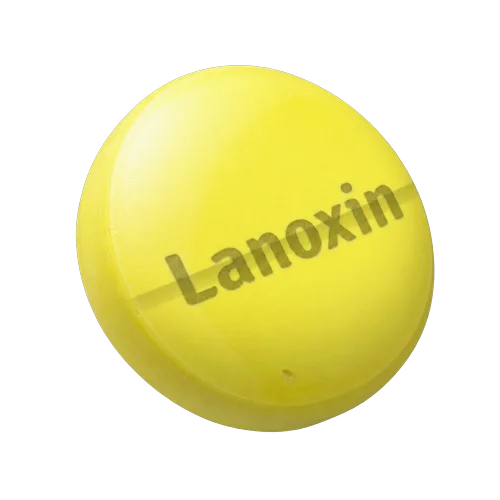
Tablets taken by mouth, Lanoxin is used in selected cases of heart failure and supraventricular arrhythmias. Its active ingredient, digoxin, can strengthen cardiac contraction and slow the ventricular response in atrial fibrillation or atrial flutter, while requiring careful dose selection and monitoring.

Overview

Lanoxin contains digoxin, a cardiac glycoside. Digoxin has two clinically relevant cardiac effects: it increases the force of contraction and slows electrical conduction through the atrioventricular node.

Therapeutic indications

Lanoxin tablets may be prescribed for selected patients with heart failure or supraventricular arrhythmias. Heart failure means the heart cannot pump or fill adequately for the body's needs. Digoxin may improve symptoms and reduce the heart's workload in some treatment plans, yet it does not remove the underlying cause of heart failure.

Atrial fibrillation produces an irregular atrial rhythm. Atrial flutter produces a rapid, organised atrial rhythm. In both conditions, too many electrical impulses may reach the ventricles, causing a fast pulse, palpitations, breathlessness or reduced exercise tolerance.

Digoxin can help control the ventricular rate by slowing conduction through the atrioventricular node. Rate control is different from rhythm conversion. Rate control aims to prevent the ventricles from beating excessively fast; it does not necessarily end atrial fibrillation or atrial flutter.

A prescriber weighs symptoms, ventricular function, kidney function, blood pressure, electrolyte levels and current medicines before selecting treatment. The European Medicines Agency describes digoxin as a medicine requiring clinical consideration of patient-specific factors rather than a fixed regimen for every adult [2].

Mechanism of action

Digoxin is a cardiac glycoside. It inhibits the sodium-potassium ATPase pump in cardiac muscle cells. This alters sodium movement across the cell membrane and affects calcium handling inside the cell. More available calcium can increase the force of cardiac contraction.

This positive inotropic effect may improve the amount of blood ejected with each heartbeat in selected patients. Digoxin also increases vagal activity, which slows conduction through the atrioventricular node. In atrial fibrillation, that action can reduce the number of atrial impulses reaching the ventricles.

The same pharmacology explains the need for care. A dose that is suitable when kidney function and electrolytes are stable may become excessive after dehydration, acute kidney deterioration or a new interacting medicine. The concentration in blood is useful, but symptoms, an electrocardiogram, kidney function and electrolyte results determine the clinical meaning.

Reasons not to use it

Lanoxin is not suitable for everyone. This medication is not for you if you have had a serious allergic reaction to digoxin or an ingredient in the prescribed formulation. A history of serious digoxin toxicity also requires careful specialist review before any further exposure.

  • Kidney disease or reduced kidney function.
  • Previous heart block or significant rhythm disturbance.
  • Ventricular arrhythmias.
  • Thyroid disease.
  • Recent vomiting, diarrhoea or dehydration.
  • Low body weight or advanced age.
  • Pregnancy, plans for pregnancy or breastfeeding.
  • All prescription medicines, non-prescription products and supplements.

When this is not for you

Some rhythm disturbances require a different treatment approach or specialist assessment. Digoxin may also require dose adjustment when kidney function is reduced. Do not stop or restart it abruptly without a clinical plan, especially when it has been prescribed for heart failure or rate control.

Unwanted effects

Lanoxin tablets can cause gastrointestinal symptoms such as nausea, vomiting, diarrhoea and reduced appetite. Dizziness and visual disturbances can also occur. Visual changes may involve blurred vision, altered colour perception or difficulty seeing clearly.

Mild symptoms still deserve attention when they are new or persistent. Digoxin-related adverse effects can overlap with symptoms of heart failure, dehydration or another illness, so the pattern and timing matter.

Seek urgent medical assessment for:

  • Persistent vomiting or diarrhoea.
  • New confusion or marked weakness.
  • Fainting or near-fainting.
  • A very slow, very fast or irregular heartbeat.
  • New blurred vision or yellow, green or otherwise altered colour vision.
  • Severe dizziness, collapse or chest symptoms.

Vomiting and diarrhoea can cause dehydration and electrolyte changes. Those changes may raise the risk of digoxin toxicity even when the tablet dose has not changed. A new yellow or blurred visual disturbance should not be dismissed as an ordinary eyesight change.

If vomiting or diarrhoea continues, do not manage the situation by taking extra fluids, supplements or digoxin doses without specific advice. The combination of fluid loss and electrolyte disturbance can alter cardiac risk.

Formulation

Lanoxin contains digoxin, a cardiac glycoside. Digoxin has two clinically relevant cardiac effects: it increases the force of contraction and slows electrical conduction through the atrioventricular node. The first effect is called positive inotropy. It may help the heart pump blood more effectively. The second can reduce how quickly impulses pass from the atria to the ventricles during selected rapid rhythms.

Lanoxin is sometimes described as an Antiarrhythmic Agent, though its rhythm-related role is specific rather than general. It is used mainly for selected supraventricular arrhythmias, including atrial fibrillation and atrial flutter, where controlling the ventricular rate is the therapeutic aim. It does not reliably restore normal rhythm in every patient.

The active substance has a narrow therapeutic range. This means the difference between a useful exposure and a harmful exposure can be relatively small, especially when kidney function changes or another medicine alters digoxin handling. The MHRA product information describes renal function, age, body size, electrolyte balance and interacting medicines as important factors in prescribing [1].

Keep a current list of every prescription medicine, painkiller, supplement and herbal product you use. Digoxin interactions can appear when a new medicine is prescribed by a different clinician.

Directions for use

The regimen for the chosen strength is confirmed with a healthcare professional before starting. Digoxin dosing is individualised, and a universal adult dose would be unsafe because clearance varies widely between patients.

  • Take Lanoxin tablets by mouth at the prescribed time.
  • Swallow each tablet as directed and avoid changing the strength independently.
  • A loading dose, also called a rapid digitalizing regimen, may be used in selected situations. It is divided according to clinical response and toxicity risk.
  • A maintenance dose follows when continued treatment is required.
  • Maintenance treatment may be adjusted after assessment of symptoms, pulse, kidney function, electrolytes and, when appropriate, serum digoxin levels.
  • Do not take an extra tablet to compensate for a missed dose unless a clinician gives that specific instruction.
  • If a missed dose is remembered near the next scheduled dose, the usual approach is to omit the missed dose and continue the planned schedule; confirm the appropriate action for your prescription.

Loading and maintenance regimens are not interchangeable. A loading regimen is intended to achieve therapeutic exposure more quickly, while maintenance treatment aims to preserve a stable exposure over time. Dose changes may be considered after clinical review, and some schedules require reassessment over intervals such as two weeks rather than daily self-adjustment.

Lanoxin should be taken consistently. Repeatedly changing the time of administration can make symptom assessment and blood-test interpretation more difficult.

Comparison

Digoxin is not interchangeable with other rate-control medicines. The choice depends on the rhythm, ventricular function, blood pressure, kidney function, exercise symptoms and coexisting conditions.

Approach Main effect Main limitation
Digoxin, a cardiac glycoside Strengthens contraction and slows atrioventricular-node conduction Narrow therapeutic range and dependence on kidney function
Calcium channel blockers Slow atrioventricular-node conduction and reduce heart rate May be unsuitable in selected heart-failure or low-blood-pressure settings
Other rate-control approaches Reduce excessive ventricular rate through different mechanisms Suitability depends on rhythm, comorbidities and tolerability

Digoxin may be useful when a prescriber wants rate control and additional inotropic action. It can be less useful for controlling exertional heart rate in some patients because its rate-slowing effect is influenced by autonomic activity. Calcium channel blockers may provide a different balance of rate control and blood-pressure effects.

No option is universally best. A change between treatments requires a planned transition because overlapping effects on heart rate and conduction can cause harm.

Common mistakes

Common errors include:

  • Doubling the next dose after forgetting a tablet.
  • Taking a different tablet strength without confirmation.
  • Treating persistent vomiting or diarrhoea as unrelated.
  • Failing to mention an over-the-counter medicine or supplement.
  • Assuming a digoxin blood result alone proves that treatment is safe.
  • Switching between tablets and oral liquid without a new calculation.
  • Stopping treatment abruptly because symptoms improve.
  • Taking doses at widely different times from day to day.

Keep the medication list updated after every new prescription. This simple habit prevents interaction risks from being missed when treatment is shared between a GP, cardiologist, hospital team and another clinician.

What doctors say

In clinical practice, doctors usually treat digoxin as a medicine that rewards careful selection rather than casual dose changes. The goal is a stable clinical response with the lowest suitable exposure, not a high blood concentration.

A cardiology review commonly considers symptoms, pulse, rhythm, kidney function and electrolytes together. A patient may have a concentration within a laboratory range yet still need assessment if new nausea, visual changes or faintness appear. Conversely, a result outside a preferred target does not automatically explain every symptom.

Consistency helps. Taking the tablet at a regular time, reporting acute illness and mentioning new prescriptions gives the clinician a clearer picture of treatment response. This is especially relevant when more than one clinician is involved.

What customers often ask

How does Lanoxin differ from calcium channel blockers?

Lanoxin is digoxin, a cardiac glycoside that can increase contraction strength and slow atrioventricular-node conduction. Calcium channel blockers mainly slow conduction and reduce heart rate through a different mechanism. NICE guidance from 2021 treats rate-control choice as dependent on rhythm, heart-failure status, blood pressure and comorbidities, rather than a universal ranking. Lanoxin also carries a distinct monitoring burden because kidney function and serum concentration affect its safety margin.

Can people under 18 use Lanoxin?

Children may receive digoxin in selected specialist situations, but dosing is based on age, body size, kidney function, rhythm and clinical response. Lanoxin oral drops and paediatric formulations require separate calculations and cannot be substituted casually for tablets. The EMA paediatric-medicine framework from 2019 supports weight- and age-appropriate prescribing rather than applying an adult regimen to a child. A person under 18 should use digoxin only under a clinician's direction.

Do you offer anonymous delivery?

Your order will be securely packed and shipped within 24 hours. This is exactly what your package will look like (images of an actual item sent). It has the size and look of a regular private letter (24x11x0.7 cm) and its contents cannot be seen.

Common Lanoxin Patient Mistakes

Store tablets securely and away from children. Do not transfer them into an unmarked container if doing so could cause confusion between strengths or medicines.

How Buyers Rate Lanoxin

4.1
Based on 4 reviews
Jonathan, 40
Coventry
Several weeks
Verified
Rating: 5 out of 5

I used Lanoxin tablets at the prescribed dose as part of my heart treatment. After several weeks, climbing the stairs felt less exhausting and I could manage ordinary workdays more comfortably. The improvement was gradual, but it was clear enough for me to notice.

10 Oct 2026
Oliver, 29
Reading
A few weeks
Verified
Rating: 4 out of 5

Lanoxin at the prescribed dose helped settle the racing-heart episodes that had been disrupting my evenings. I kept the tablets at the same time each day, and after a few weeks I felt more able to exercise and sleep normally.

19 Oct 2026
Ryan, 48
Dundee
Several weeks
Verified
Rating: 4.5 out of 5

I noticed a practical difference in my breathing and stamina after taking Lanoxin at the prescribed dose for several weeks. Walking to the shops no longer required a long pause halfway, and the benefit remained steady with regular use.

25 Oct 2026
James, 46
Milton Keynes
Not mentioned
Verified
Rating: 3 out of 5

Lanoxin at the prescribed dose helped reduce the rapid pulse, though the improvement was slower than I expected. I also had occasional nausea at first, so the treatment needed review rather than simply carrying on without mentioning it.

8 Nov 2026

Sources

  1. MHRA (2024). Lanoxin: Summary of Product Characteristics.
  2. European Medicines Agency (2019). Guideline on the clinical investigation of medicinal products for the treatment of atrial fibrillation.
Get our free app Shop faster and track your orders 4.0 · 224 reviews Install