Skip to content
24/7 Support
Save up to 80%
Fast & Discreet Delivery
Claritin

Claritin

Quality products
24/7 Support
Fast delivery
Delivery from 4 days
Active ingredient Loratadine

Free delivery on orders from £ 172.00, free express delivery from £ 258.00

Histamine-blocking action from Claritin helps reduce sneezing, itching, a runny nose, and watery eyes linked with allergic reactions. Claritin tablets are intended for allergy symptoms caused by seasonal or year-round allergens, with loratadine providing peripheral antihistamine activity and limited central nervous system penetration.

Overview

Claritin belongs to the second-generation antihistamine group. It is used for allergic rhinitis, commonly called hay fever, and for urticaria, which causes raised, itchy skin welts. The medicine can ease symptoms without the level of sedation associated with many older allergy medicines, although some people can still feel tired or drowsy.

An allergy develops when the immune system reacts to a normally harmless substance, such as pollen, house-dust-mite particles, or animal dander. Histamine then contributes to swelling, itching, mucus production, and widening of small blood vessels. Claritin reduces the effect of histamine at H1 receptors outside the brain. The European Medicines Agency recognises loratadine as a peripherally acting H1-antihistamine used for allergic symptoms and urticaria [1].

Therapeutic Indication for Allergic Reactions

Claritin may help with:

  • Sneezing and an itchy or blocked nose caused by allergic rhinitis
  • Watery, itchy, or red eyes associated with hay fever
  • Itchy skin and hives linked with urticaria
  • Symptoms triggered by seasonal allergens or year-round allergens

A cold or flu can also cause a runny nose and congestion, but those illnesses are caused by infection rather than an allergic immune response. Claritin does not treat viruses, fever, or bacterial infection.

If symptoms include facial swelling, wheezing, breathing difficulty, or faintness, treat this as an urgent medical problem rather than routine hay fever.

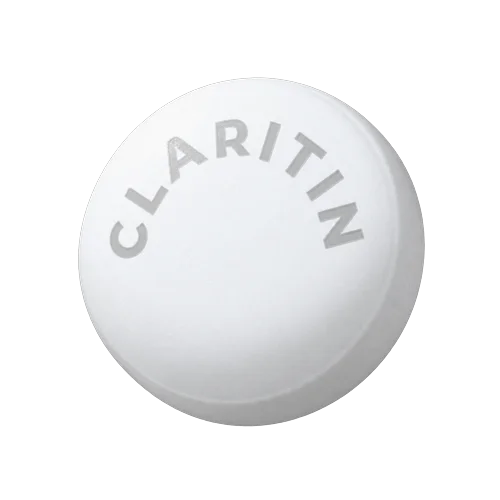
Therapeutic indications

Claritin is used for two main allergy patterns.

Seasonal allergic rhinitis occurs when symptoms follow exposure to pollen. Tree pollen, grass pollen, and weed pollen can trigger sneezing, nasal itching, watery eyes, and a clear runny nose. Symptoms can appear repeatedly during a predictable part of the year.

Perennial allergic rhinitis can continue throughout the year. House-dust mites, mould spores, and animal allergens are common triggers. Nasal blockage may be more persistent than with seasonal hay fever.

Urticaria produces itchy, raised wheals that can appear on different areas of the body. Individual lesions may fade and reappear elsewhere. Claritin can reduce histamine-related itching and wheal formation, but swelling of the lips, tongue, throat, or face requires urgent assessment.

Claritin does not replace emergency treatment for anaphylaxis. It cannot reverse airway narrowing or low blood pressure caused by a severe allergic reaction.

Mechanism of action

Loratadine is a selective peripheral H1-receptor antagonist. In plain language, it occupies histamine receptors in tissues such as the nasal lining and skin, reducing the signal that produces itching, sneezing, watery eyes, and swelling.

Loratadine is converted in the body to an active metabolite called desloratadine. This contributes to sustained antihistamine activity during the day. Its limited penetration of the blood–brain barrier helps explain why it generally causes less sedation than first-generation antihistamines. This action does not remove the allergen. Symptom relief depends on the person’s exposure and response.

The term “non-sedating” describes the intended pharmacological profile, not a guarantee that nobody will feel sleepy. A small number of people report drowsiness, fatigue, headache, or reduced alertness. The first dose should be used cautiously if driving or operating machinery is part of the day.

Peripheral Selectivity and Non-Sedating Properties

First-generation antihistamines can enter the brain more readily and may cause marked sleepiness, slowed reaction time, dry mouth, blurred vision, or impaired concentration. Loratadine has greater peripheral selectivity, so these central effects are less common.

Reasons not to use it

  • A previous allergic reaction to loratadine or any tablet ingredient
  • Severe liver disease without an individually selected regimen
  • Pregnancy or breastfeeding without review of the expected benefit and possible exposure
  • A child whose age, weight, or ability to swallow makes the tablet presentation unsuitable
  • Use of several medicines that cause drowsiness or affect liver enzyme activity
  • A history of severe reaction involving breathing difficulty, throat swelling, or collapse

Loratadine can interact with medicines that alter hepatic enzyme activity. Examples include some antifungal medicines, macrolide antibiotics, and antiviral medicines. The interaction may change loratadine exposure, so the complete medicine list should be reviewed before regular use.

When this is not for you

Claritin is not suitable for everyone. Claritin is not for you if a previous serious reaction to loratadine or its ingredients has occurred. Avoid it or obtain a specific clinical assessment before use in the following situations:

Claritin should not be used as the only treatment for anaphylaxis or severe angioedema. Emergency treatment is required when swelling affects the airway, breathing becomes difficult, or circulation is affected.

Tell the prescriber about antihistamines, sleeping tablets, strong pain medicines, antidepressants, and medicines for liver disease before starting Claritin. The combination can change alertness or loratadine exposure.

Unwanted effects

Most people tolerate loratadine without a serious reaction. Possible effects include headache, sleepiness, fatigue, dry mouth, nausea, or stomach discomfort. These effects are usually mild, but persistent symptoms can interfere with work, driving, or sleep.

Rare but serious reactions can include facial or throat swelling, breathing difficulty, widespread blistering rash, severe dizziness, or collapse. Stop taking the medicine and seek urgent medical attention if these symptoms occur.

Loratadine is metabolised by the liver. People with significant hepatic impairment may require a different regimen or closer medical supervision because clearance can be reduced. Kidney disease, pregnancy, breastfeeding, and multiple medicines also deserve a medication review before starting treatment.

Formulation

Claritin contains loratadine, a second-generation antihistamine that provides peripheral antihistamine activity and limited central nervous system penetration. It is formulated to help relieve allergy symptoms associated with allergic rhinitis and urticaria.

Directions for use

  • Take the prescribed amount at the scheduled frequency.
  • Swallow the tablet with water.
  • Take it at a consistent time if daily treatment has been recommended.
  • Do not take extra tablets because symptoms remain troublesome.
  • If a dose is missed, take it when remembered unless the next dose is close; do not double the next intake.
  • Use additional caution in liver impairment because loratadine is processed extensively by the liver.
  • Children require an age- and weight-appropriate formulation and regimen.

The amount taken at each intake is determined individually for the person rather than being one fixed amount for everyone. Children who cannot reliably swallow tablets need a suitable paediatric formulation.

The World Health Organization describes rational medicine use as selecting the right medicine, dose, duration, and route for the individual patient. That principle matters with allergy treatment because symptoms, age, weight, and organ function differ between people [2].

A missed dose does not justify taking two tablets together. Extra antihistamine increases exposure without necessarily improving blocked-nose or eye symptoms.

Claritin tablets may be taken with or without food. A meal is not required for the medicine to work, so the tablet can be fitted around breakfast, lunch, or the evening meal.

Taking the tablet after food may suit someone who experiences mild stomach discomfort with medicines. Others prefer a morning routine because their symptoms are strongest during the day. The key practical point is to avoid taking more than the selected daily amount.

Grapefruit and grapefruit juice can affect the activity of some medicines processed by liver enzymes. They are not a routine food restriction for loratadine, but people taking several prescription medicines should review the full combination with a clinician.

Comparison

Different second-generation antihistamines share the same broad purpose but do not produce identical experiences. Choice can depend on sedation, kidney or liver function, symptom timing, other medicines, and previous response.

Active ingredient Practical distinction
Loratadine Peripheral H1 blockade with generally low sedation; commonly used for nasal and skin allergy symptoms
Cetirizine or levocetirizine Often provides strong symptom control, with drowsiness reported more often than with loratadine
Fexofenadine Low central nervous system penetration and limited sedative effect; useful when alertness is a priority

Loratadine may suit people who want daytime allergy control with a lower likelihood of sleepiness. Cetirizine can feel faster for some patients, yet mild drowsiness is more noticeable in clinical use. Fexofenadine has a low sedative profile, though the best option depends on the symptom pattern and the patient’s medical history.

Do not combine two oral antihistamines unless a prescriber has specifically instructed you to do so. Combining products from the same therapeutic group can increase adverse effects without providing a proportional benefit.

Common mistakes

  • Taking an extra tablet because pollen exposure was heavy
  • Using Claritin alongside another oral antihistamine without checking the combination
  • Giving an adult tablet to a child without considering body weight and formulation
  • Assuming “non-drowsy” means driving is always unaffected
  • Continuing treatment for fever, severe facial pain, or breathing difficulty without reassessing the cause
  • Forgetting to mention liver disease or interacting medicines
  • Stopping attention to symptoms after the itching improves, while throat or facial swelling develops

A common timing mistake is taking doses irregularly and then judging the medicine after a single difficult day. Daily allergy symptoms may fluctuate with pollen levels, indoor exposure, sleep, and infection, so the response needs to be interpreted in context.

Another error is treating hives with repeated self-dosing when the lesions are accompanied by swelling of the tongue or throat. That pattern is urgent and needs immediate medical attention.

What doctors say

In clinical practice, doctors usually judge an antihistamine by the symptom pattern rather than by the brand name alone. Loratadine is a reasonable option when sneezing, itching, watery eyes, or hives are driven by histamine and daytime alertness matters.

A doctor will also check whether the main problem is allergy or another condition. Persistent one-sided nasal blockage, recurrent nosebleeds, high fever, wheezing, or facial pain may require a different assessment.

Patients often expect an antihistamine to clear every nasal symptom immediately. Loratadine works best against histamine-related symptoms; severe congestion may respond less completely than itching and sneezing. A clinician may recommend a different treatment strategy when nasal blockage remains the dominant problem.

Clinical review is also sensible when symptoms continue despite correct use, recur frequently, or require daily treatment for long periods. The aim is to confirm the diagnosis and reduce unnecessary exposure to medicines.

What customers often ask

Can Claritin be used during pregnancy or breastfeeding?

Pregnancy and breastfeeding require an individual benefit–risk assessment before treatment. NHS and MHRA medicine-safety information supports discussing antihistamine choice with a clinician when symptoms require regular treatment. Loratadine passes into breast milk in small amounts, so the infant’s age, feeding pattern, and the mother’s symptoms may affect the decision. Do not change prescribed treatment without a specific review in 2026.

Which condition rules out Claritin?

A previous serious allergic reaction to loratadine or an ingredient in the tablets rules out further use. Severe liver impairment can also make the standard regimen unsuitable because the medicine is extensively processed by the liver. The EMA product information from 2015 identifies hypersensitivity as a contraindication and includes hepatic considerations for dosing. Facial swelling, throat tightness, or breathing difficulty requires urgent care rather than another tablet.

What happens when Claritin is stopped, and is tapering needed?

Loratadine does not usually require tapering because it does not produce the dependence pattern associated with some sedative medicines. After stopping, allergy symptoms may return when the person encounters the triggering allergen. The return of sneezing or itching reflects the underlying allergy rather than a withdrawal syndrome. NHS guidance reviewed in 2025 describes antihistamines as symptom-control medicines, so a clinician may review the diagnosis if symptoms rapidly become difficult to manage.

Can alcohol be used while taking Claritin?

Alcohol may increase tiredness or reduce alertness even though loratadine is designed to cause less sedation than older antihistamines. The risk is more relevant when the person is already sleep-deprived or takes other medicines that affect the central nervous system. The MHRA guidance from 2023 advises caution with activities requiring concentration when a medicine can cause drowsiness. Avoid driving if you feel sleepy, dizzy, slowed, or less focused after combining alcohol and Claritin.

Which symptoms mean stopping Claritin and seeking urgent help?

Stop taking Claritin and seek urgent medical help for swelling of the face, lips, tongue, or throat; difficulty breathing; fainting; collapse; or a rapidly spreading blistering or peeling rash. These symptoms can indicate a serious allergic or skin reaction rather than an ordinary side effect. WHO guidance published in 2022 treats airway compromise and circulatory symptoms as medical emergencies requiring prompt assessment. Do not wait for another dose to take effect.

Can older adults use Claritin?

Older adults may use loratadine when the presentation and regimen suit their medical history. Kidney or liver impairment, several simultaneous medicines, reduced hydration, and increased sensitivity to dizziness can change tolerability. The EMA product information published in 2015 supports reviewing organ function and concomitant medicines when selecting treatment for older patients. A pharmacist or prescriber should assess the complete medicine list before regular use, especially where sedatives or multiple liver-metabolised medicines are involved.

Do you offer anonymous delivery?

Your order will be securely packed and shipped within 24 hours. This is exactly what your package will look like (images of an actual item sent). It has the size and look of a regular private letter (24x11x0.7 cm) and its contents cannot be seen.

How Buyers Rate Claritin

4.4
Based on 4 reviews
Karen V., 37
Manchester
Verified
Rating: 4.5 out of 5

I used Claritin tablets during the worst part of the grass-pollen season. The sneezing and watery eyes settled enough for me to work through the day, and I was pleased that I did not feel sleepy.

29 Oct 2026
Ruth, 34
Sunderland
Verified
Rating: 5 out of 5

I took Claritin for recurring hay fever symptoms and noticed a clear improvement in the itchy nose and constant sneezing. It fitted easily into my morning routine and gave me useful daytime relief.

23 Oct 2026
Laura G., 55
Nottingham
Verified
Rating: 3 out of 5

Claritin reduced the itching from my intermittent hives, although the improvement was slower than I expected on some days. I still had occasional flare-ups and discussed the pattern with my doctor rather than increasing the amount myself.

10 Oct 2026
Elaine, 26
Norwich
Verified
Rating: 5 out of 5

I used Claritin during a period of heavy pollen and found that my eyes watered much less. The tablet was convenient, and I was satisfied with the relief during normal daytime activities.

8 Nov 2026

Sources

  1. European Medicines Agency (2015). Loratadine: summary of product characteristics and product information.
  2. World Health Organization (2022). Medication Without Harm: Global Patient Safety Challenge.
Get our free app Shop faster and track your orders 4.0 · 224 reviews Install