Skip to content
24/7 Support
Save up to 80%
Fast & Discreet Delivery
Ashwagandha

Ashwagandha

Quality products
24/7 Support
Fast delivery
Delivery from 4 days
Active ingredient Ashwagandha

Free delivery on orders from £ 172.00, free express delivery from £ 258.00

Ashwagandha supports the body’s response to everyday stress and is used in herbal supplements for general wellness. It is intended for adults seeking support with relaxation, sleep quality, energy, or physical resilience.

Overview

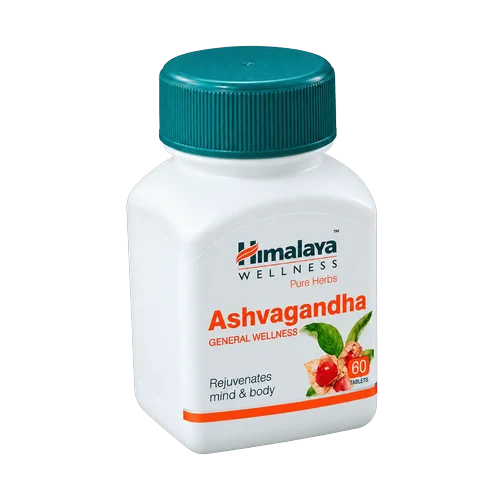
The product is marked for general wellness and support for mind and body. It is not a vitamin or mineral. Its use is based on botanical compounds that may influence stress pathways, sleep, physical recovery and selected metabolic processes.

Ashwagandha has a long history of traditional use, while modern clinical research remains variable in quality and scale. The World Health Organization describes traditional medicinal uses of Withania somnifera, but traditional use does not establish that every supplement will produce the same result [1].

Take the first dose at a time when you can observe how you respond. Drowsiness, stomach discomfort or changes in alertness are useful signals to record.

Therapeutic indications

Ashwagandha supports the body’s response to everyday stress and is used in herbal supplements for general wellness. It is intended for adults seeking support with relaxation, sleep quality, energy, or physical resilience.

Ashwagandha is used as a herbal sleep aid for occasional sleeplessness, stress-related restlessness and difficulty winding down.

Ashwagandha is used in wellness programmes that aim to support stamina, resistance training and recovery.

Ashwagandha is sometimes discussed for immune support, cardiovascular support and anti-inflammatory activity.

Mechanism of action

Cortisol is a hormone released through the hypothalamic-pituitary-adrenal, or HPA, axis. This system helps the body respond to physical and psychological demands. Ashwagandha is described as an adaptogenic herb because it may influence how the body responds to stress rather than acting as a conventional sedative. Its possible effects include modulation of HPA-axis activity, influence on stress-related cortisol patterns, support for relaxation and sleep continuity, possible effects on inflammatory signalling, and indirect support for energy when poor sleep and stress are contributing to fatigue.

NCCIH describes the evidence as promising for selected uses, while also emphasising that more research is needed [2].

Reasons not to use it

Ashwagandha is not suitable for everyone. This supplement is not for you if you have a known allergy to Ashwagandha or if a clinician has advised you to avoid it because of liver disease.

Extra caution is needed in the following situations:

  • pregnancy or breastfeeding;
  • current or previous liver disease;
  • autoimmune disease;
  • thyroid disease or treatment with thyroid hormones;
  • use of medicines that suppress the immune system;
  • use of sedatives, sleep medicines or other products that cause drowsiness;
  • treatment for diabetes or low blood pressure;
  • planned surgery, where sedative and blood-pressure effects may matter.

Ashwagandha may add to the sedative effect of alcohol, sleeping tablets, benzodiazepines, some antihistamines and other calming medicines. It may also alter blood glucose or blood pressure when combined with medicines used for those conditions.

When this is not for you

People with autoimmune conditions need special caution. An herb that influences immune activity may be unsuitable for some individuals with conditions such as lupus, rheumatoid arthritis or multiple sclerosis, especially when immunosuppressive treatment is being used.

A history of liver disease also deserves attention. Published safety reports have linked some Ashwagandha products with liver injury, including jaundice and abnormal liver tests. The LiverTox database records this rare but clinically significant concern [3].

A doctor or pharmacist should review the supplement before use when prescription treatment is involved. This is especially relevant for people taking several medicines, because an interaction may arise from the combined effect rather than from Ashwagandha alone.

Unwanted effects

Many adults tolerate Ashwagandha without major problems, but mild reactions can occur. The most frequently reported practical complaints include stomach upset, loose stools, nausea and drowsiness. Allergic reactions are possible with any botanical product.

Stop using the supplement and seek urgent medical assessment if jaundice, dark urine, unusually pale stools, severe itching, marked abdominal pain or persistent vomiting develops. These symptoms can indicate liver injury rather than ordinary digestive intolerance.

Other points to monitor include:

  • increased sleepiness;
  • headache or dizziness;
  • changes in blood glucose;
  • changes in blood pressure;
  • worsening symptoms of an autoimmune condition;
  • symptoms of excess thyroid activity, such as tremor, sweating or a racing heartbeat.

The degree of risk depends on the preparation, personal health and other medicines. Ashwagandha should not be assumed to be harmless because it is plant-derived.

Record the product name, start date and any new symptoms. A simple timeline helps a pharmacist or doctor judge whether the supplement may be involved.

Formulation

The product contains Ashwagandha, a botanical ingredient used for general wellness and support for the mind and body. It is not a vitamin or mineral. The exact extract strength, amount per unit and other formulation details are not established in the available product information.

Directions for use

  • Dose: the exact amount in mg or ml is not established in the available information and should be agreed with a doctor or pharmacist.
  • Frequency: how many times per day to use it depends on the purpose of use and should be agreed with a doctor or pharmacist.
  • Timing: the time of day and whether to take it before or after meals are not established; follow advice from a doctor or pharmacist.
  • Duration: the appropriate length of use depends on the purpose and should be agreed with a doctor or pharmacist.
  • Route: take the product orally from the bottle; do not use it topically.

Comparison

Ashwagandha differs from prescription medicines for anxiety or insomnia because it is a botanical supplement with a slower and less predictable effect. It also differs from stimulant-based energy products, which act more quickly but may increase palpitations, nervousness or sleep disruption.

For stress-related sleep difficulty, behavioural sleep treatment has a stronger established role than relying on a supplement alone. For diagnosed anxiety or depression, psychological therapy and prescribed treatment may be more appropriate than self-directed herbal use.

Common mistakes

Several habits make it harder to judge whether Ashwagandha is helping:

  • increasing the amount because the first servings produced no obvious effect;
  • combining it with several sedating supplements or medicines;
  • taking it while drinking heavily;
  • ignoring new jaundice, dark urine or persistent abdominal symptoms;
  • using it to manage severe anxiety, depression or prolonged insomnia without assessment;
  • changing caffeine intake, exercise, sleep schedule and other supplements at the same time;
  • assuming all Ashwagandha preparations have identical strength;
  • continuing it before surgery without telling the clinical team.

A missed dose does not need to be replaced with extra servings. Returning to the agreed schedule is the safer approach.

What doctors say

In clinical practice, a doctor would usually frame Ashwagandha as an optional support for stress or general wellness, not as a treatment for a diagnosed psychiatric, endocrine, immune or cardiovascular disorder. The first questions would concern sleep, mood, thyroid symptoms, liver history, alcohol intake and current medicines.

A realistic expectation is modest and gradual. Some people report better sleep or less perceived stress; others notice no meaningful change. The clinical response cannot be predicted from the plant name alone because extraction methods and withanolide content differ between products.

A doctor would also ask whether fatigue has another cause. Iron deficiency, anaemia, thyroid disease, sleep apnoea, depression, medication effects and excessive training can all resemble stress-related tiredness. Treating the underlying cause is more useful than adding repeated supplements.

What customers often ask

Can Ashwagandha be combined with medicines for sleep, anxiety or blood pressure?

Ashwagandha may increase drowsiness when combined with sedatives, sleeping medicines, some antihistamines or alcohol. It may also add to blood-pressure or blood-glucose lowering effects in susceptible people. NHS medicines-safety practice in 2025 continues to favour a full medicine review when a patient adds a sedating herbal product. A doctor or pharmacist should assess the combination before use, especially when several medicines are involved.

How long should an Ashwagandha course last, and is long-term use acceptable?

A course length depends on the purpose of use, the preparation and the person’s response. Short-term studies have commonly examined several weeks, while long-term safety is less clearly established for every extract. NCCIH information reviewed in 2024 advises caution because evidence for prolonged use and product-to-product consistency remains limited. Continuing beyond an agreed course should involve a review of benefit, tolerability and any new symptoms.

Which diet, exercise and lifestyle habits support the result?

Regular sleep timing, moderate exercise, adequate food intake and sensible caffeine use can support stress and sleep goals. Heavy alcohol use, severe calorie restriction, overtraining and irregular sleep may hinder progress. WHO traditional-medicine guidance published in 2009 places medicinal plants within a wider health context rather than treating them as substitutes for basic care. A stable routine also makes it easier to identify whether Ashwagandha is contributing anything useful.

What should I do if the expected result does not appear?

Do not automatically increase the amount or combine several Ashwagandha products. Reconsider the original goal and check whether another cause, such as thyroid disease, anaemia, sleep apnoea or depression, could explain the symptoms. MHRA safety principles in 2025 support reporting significant suspected adverse reactions and seeking clinical review when symptoms persist. Stop and seek medical advice promptly if jaundice, severe abdominal symptoms, marked palpitations or a serious allergic reaction occurs.

What should I do after a missed dose?

Do not double the next serving to compensate. Take the next dose at the usual agreed time, unless a doctor or pharmacist has given different instructions. NHS medication-adherence advice in 2024 commonly recommends avoiding compensatory double doses when the product instructions do not specifically support them. If missed doses happen often, link the routine with a consistent daily activity rather than taking extra product.

Can Ashwagandha affect driving, concentration or machinery work?

Ashwagandha may cause drowsiness or dizziness in some people, especially when combined with alcohol, sedatives or sleep medicines. MHRA guidance in 2025 treats impaired alertness as a practical safety concern with any product that can cause sedation. Avoid driving, cycling in hazardous traffic or operating machinery until you know how you respond. Stop the task if concentration becomes poor or unusual sleepiness develops.

Do you offer anonymous delivery?

Your order will be securely packed and shipped within 24 hours. This is exactly what your package will look like (images of an actual item sent). It has the size and look of a regular private letter (24x11x0.7 cm) and its contents cannot be seen.

How Buyers Rate Ashwagandha

3.8
Based on 3 reviews
David, 35
Luton
About five weeks
Verified
Rating: 3 out of 5

I used Ashwagandha for about five weeks during a stressful period at work. I felt less wound up in the evenings and slept more steadily, but the change was gradual rather than dramatic. It caused mild stomach discomfort during the first few days, so I took it with food.

7 Nov 2026
Graham, 47
Aberdeen
Roughly a month
Verified
Rating: 4.5 out of 5

After roughly a month, I felt more settled during busy days and had better energy for my usual walks. My sleep became more regular as well. The bottle was easy to keep in my morning routine, and I was pleased with the result.

10 Oct 2026
Liam, 63
Liverpool
Several weeks
Verified
Rating: 4 out of 5

I took Ashwagandha as part of a general wellness routine for several weeks. I noticed better evening relaxation and felt less tired after ordinary daily activities. It was a quiet improvement rather than an instant effect, but it suited what I wanted from a herbal supplement.

21 Oct 2026

Sources

  1. World Health Organization (2009). WHO monographs on selected medicinal plants: Volume 4 — Withania somnifera
  2. National Center for Complementary and Integrative Health (2024). Ashwagandha: Usefulness and Safety
  3. National Institute of Diabetes and Digestive and Kidney Diseases (2024). LiverTox: Clinical and Research Information on Drug-Induced Liver Injury — Ashwagandha
Get our free app Shop faster and track your orders 4.0 · 224 reviews Install